Skills

Aida Figuerola
Published content
expert panel
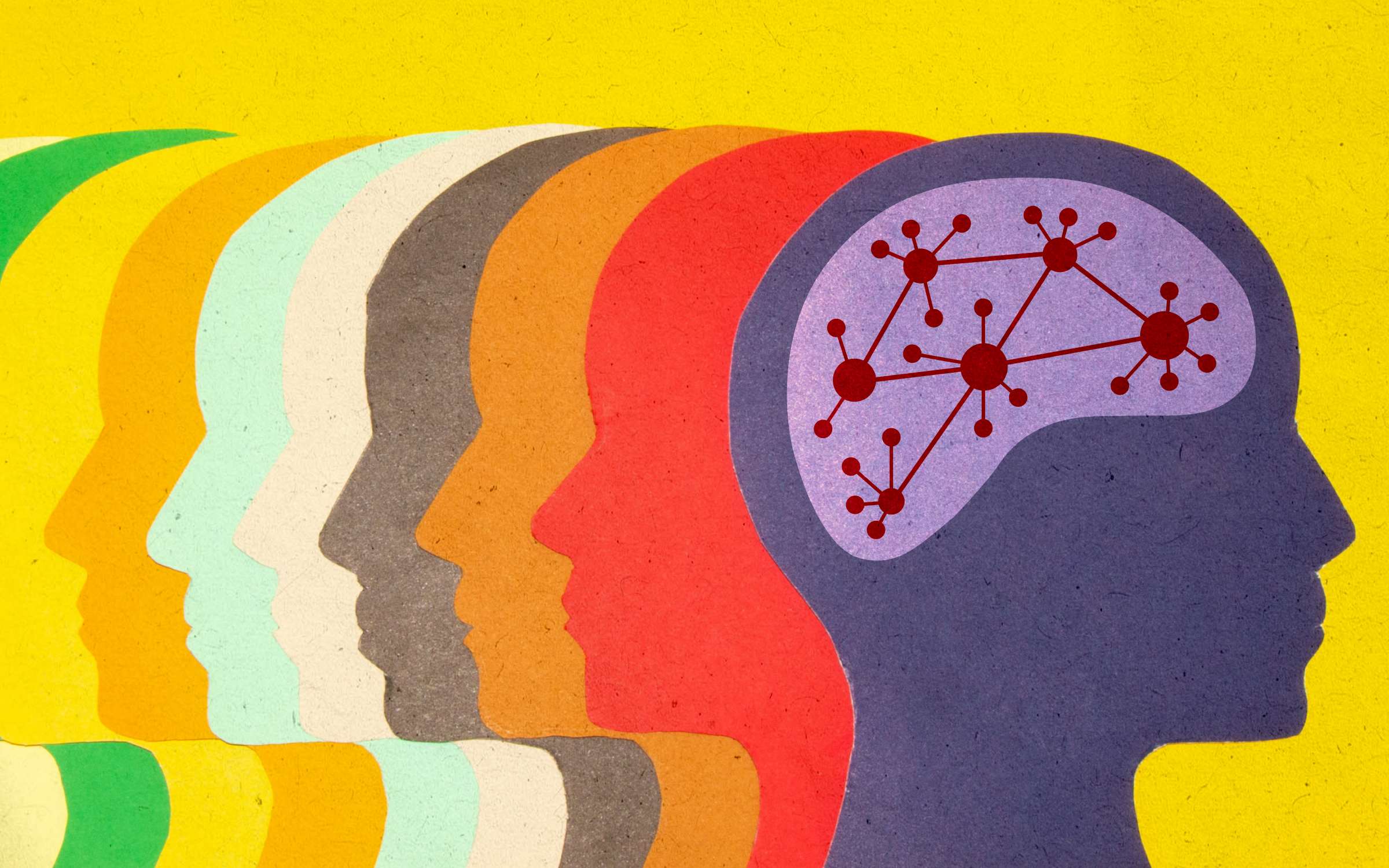
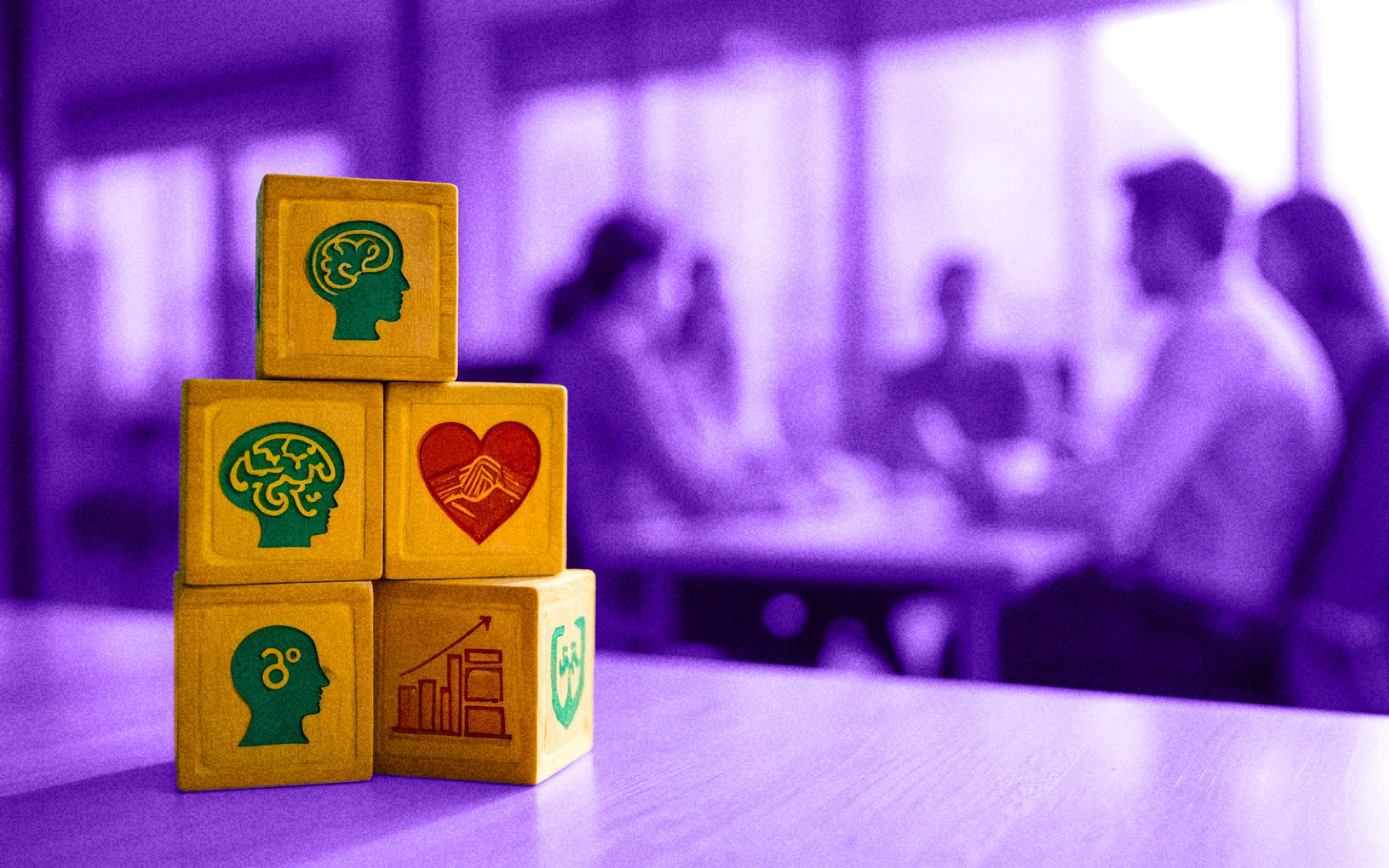
Mental health at work cannot be addressed through benefits alone. Members of the Senior Executive HR Think Tank explain how leaders can design workloads, management practices, autonomy, psychological safety and workplace systems to support sustainable performance.Workplace mental health is increasingly recognized as a business and organizational design issue—not simply an employee benefit. SHRM's 2026 research found that stress and anxiety remain significant concerns among U.S. workers, while companies continue to wrestle with employee burnout and the underuse of mental health benefits.That raises a more fundamental question: What if organizations stopped asking employees to cope better with unhealthy conditions and instead examined the conditions themselves? Members of the Senior Executive HR Think Tank bring expertise in psychology, HR, organizational design, leadership, culture and workforce strategy to that question.Their answers point toward a common idea: A mentally healthy workplace is not created by adding another program to the benefits portfolio. It is created by deliberately designing work so people can perform without continually sacrificing their psychological well-being.

expert panel
Members of the Senior Executive HR Think Tank share practical strategies for creating leadership pipelines that uncover overlooked talent, reduce bias and develop future leaders through intentional systems rather than chance.Organizations have spent years discussing diversity in leadership, yet many continue to see the same patterns at the executive level. A McKinsey & Company Women in the Workplace study shows that progress remains uneven, with women and other underrepresented groups still facing barriers to advancement and career-building opportunities.Too often, succession planning begins only after leadership vacancies arise, limiting organizations to candidates who have already received the greatest visibility and access. Members of the Senior Executive HR Think Tank say stronger leadership pipelines require a different approach: examining the systems that identify, develop and advance talent long before promotion decisions are made. Their insights show that equitable pipelines are not about lowering standards, but about creating fairer pathways for talented people to demonstrate their potential.
expert panel
As AI reshapes daily work and engagement hits historic lows, members of the Senior Executive HR Think Tank explain why purpose—not perks or productivity alone—is emerging as the defining competitive advantage for organizations competing to attract, retain and inspire talent.Work is changing faster than most organizations can keep up with. Roles are shifting, AI is taking over entire categories of tasks, and employee engagement is stuck near record lows. Amid all this, one quieter question is emerging as the key difference-maker between organizations that keep their best people and those that lose them: Why does this work matter?Members of the Senior Executive HR Think Tank, a curated group of experts specializing in human resources, agree that purpose is no longer a soft concern to address after salary negotiations. It is becoming the new point of distinction once pay, benefits and flexibility become table stakes.The numbers back them up. Only 31% of employees in the U.S. and Canada region were actively engaged as of early 2026, according to Gallup’s State of the Global Workplace report. While engagement has many causes, leaders increasingly point to a lack of connection between day-to-day work and organizational purpose as one of the biggest contributors.

expert panel
Individual industries no longer set workplace standards. The best ideas, boldest experiments and hardest lessons now come from across sectors. Members of the Senior Executive HR Think Tank explore how cross-industry collaboration is advancing innovation in talent, wellbeing, inclusion, workplace design and AI governance, and why organizations that share what they know will shape what "good" looks like for everyone.No single company, sector or trade association holds the patent on a great workplace. Yet for decades, organizations have largely set their standards by looking inward, benchmarking against competitors, replicating familiar practices and measuring “good” against what is typical in their own field. That era is ending. The forces reshaping work today, including AI adoption, skills shortages, flexible work expectations, mental health demands and inclusion imperatives, do not stop at industry lines. The strongest responses are emerging from unexpected cross-sector conversations.Members of the Senior Executive HR Think Tank, a curated group of human resources leaders, executives and organizational strategists, are closely tracking this shift. Their perspectives reveal a consistent theme: the organizations poised to attract top talent, build durable cultures and lead on the thorniest workforce issues are those that look beyond their own sector for models, benchmarks and partners.The urgency is real. SHRM's 2026 Talent Trends Report, based on a survey of more than 2,000 HR professionals, found that organizations across industries are confronting persistent recruitment difficulties, widening skills gaps and shifting workforce expectations driven by technological and strategic change. These challenges are not confined to any one sector and no single industry has solved them on its own. The question is no longer whether cross-industry collaboration matters. It is if organizations will move fast enough to benefit from it.

expert panel
Most companies list their values on a wall. Few teach their hiring managers how to find those values in a candidate. Members of the Senior Executive HR Think Tank share how to move values-based interviewing from a theoretical concept to a repeatable, accountable practice that protects culture and improves hiring outcomes.The statistics are hard to ignore. The U.S. Department of Labor estimates a bad hire costs at least 30% of that employee's first-year salary, and research from SHRM puts the figure considerably higher for senior roles, reaching up to 200% of annual compensation. Yet organizations continue to make the same mistake: they invest in articulating their values but stop short of training their people to actually interview for them.Values-based interviewing is the practice of structuring candidate conversations around observable behavioral evidence of core organizational values—not vague personality impressions or whether someone "seems like a good fit." When done well, it reduces costly turnover, mitigates bias and builds more cohesive, high-performing teams. When it is done poorly—or skipped entirely—the consequences compound quickly.Members of the Senior Executive HR Think Tank—a curated community of senior HR leaders, practitioners and consultants—offer their most effective approaches to closing this gap, and translating values from posters into practice.

expert panel
May 22, 2026
Members of the HR Think Tank share what they would eliminate if work could be rebuilt from scratch—from performative meetings and outdated performance reviews to rigid schedules and bureaucracy—and explain how organizations can design more productive, human-centered workplaces for the future.For decades, organizations have modernized technology faster than they have modernized work itself. Many companies now operate with advanced collaboration tools, AI-enabled systems and global talent networks, yet employees still navigate processes and expectations built for a far different era. Meetings dominate calendars. Email drives fragmented communication. Performance reviews often feel disconnected from development. Productivity is frequently measured by visibility rather than outcomes.That disconnect is becoming harder to ignore as leaders confront burnout, disengagement and shifting workforce expectations. Deloitte’s Global Human Capital Trends report highlights that organizations are increasingly being forced to rethink how work is designed as employees demand greater flexibility, purpose, sustainability and trust in the workplace.Members of the Senior Executive HR Think Tank, a collective of experienced HR leaders, strategists and workplace experts, realize the future of work will not be shaped merely by adding new tools to old systems. Instead, they believe organizations must eliminate outdated structures that quietly drain performance, trust and creativity. Their insights reveal a common theme: Many of the practices companies defend most aggressively may be the very ones holding people back.