
Alex Khassa
Clients Blackbox, Inc.
Alex Khassa
Published content
expert panel
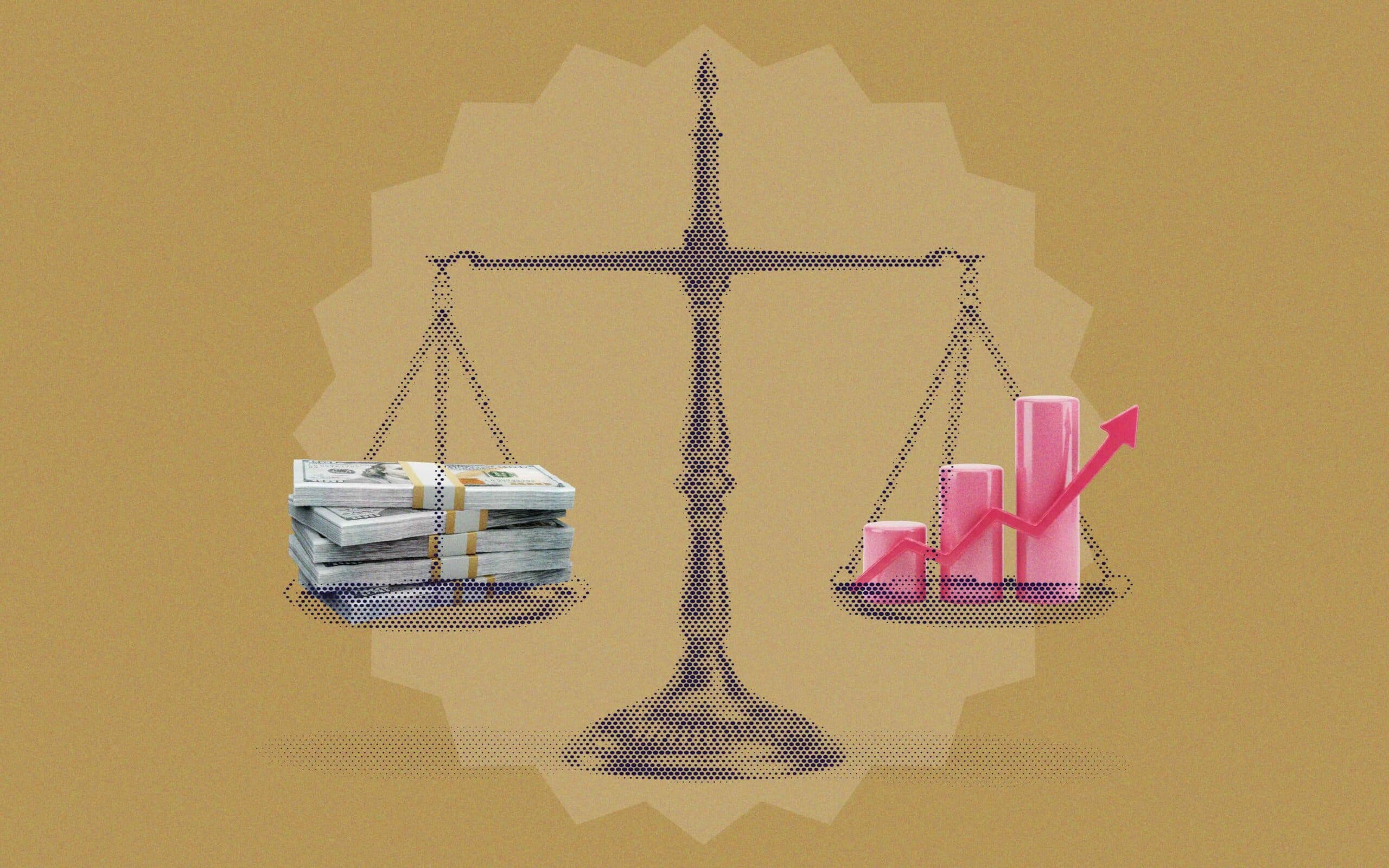
Adweek recently reported that nearly half of executive-level marketers see revenue growth as their top priority, while just a quarter put long-term brand awareness first. That focus is understandable; no CMO gets kudos for “good brand vibes” if the pipeline is struggling. Even so, it’s a real strategic risk. If the bulk of budget and marketing resources are devoted to generating immediate business impact, long-term brand building can start to look like a “nice to have” strategy rather than a necessary growth engine. There’s no argument that revenue growth is a constant goal of CMOs, as well as an expectation from their C-suite peers. However, investment in brand equity builds stronger connections with consumers; further, it contributes to performance marketing efforts yielding better results over time. When marketing teams heavily favor immediate returns, they risk weakening the trust, recognition and preference that make future demand easier to capture. Conversely, when they lean too far into broad brand awareness without tying it to business outcomes, they can lose credibility with leadership teams that need clear evidence of revenue impact. So how can CMOs uphold both sides of the equation: measurable growth today and durable brand strength for tomorrow? Below, members of the Senior Executive CMO Think Tank, a curated group with expertise in brand storytelling and customer engagement, share how to approach that balance and detail what tends to break when marketing strategy tips too far in either direction.