

Skills
About
Chuck Gallagher is a nationally recognized business ethics keynote speaker and consultant who helps organizations transform integrity into a competitive advantage. A former CPA, Tax Partner, and corporate executive who once testified before the U.S. House Ways and Means Committee, Chuck experienced a profound, life-changing event that reshaped his perspective on leadership, accountability, and decision-making. That defining chapter became the foundation for his work today. For more than two decades, he has partnered with corporations, associations, and professional service firms worldwide, equipping leaders with practical frameworks to strengthen ethical cultures, prevent fraud, and make values-based decisions under pressure. His presentations combine compelling storytelling with actionable strategy, challenging audiences to recognize that ethical leadership is not optional—it is essential to sustainable success. As an AI speaker and author, Chuck focuses on the responsible and strategic integration of artificial intelligence in modern organizations. He works with executives and boards to address AI governance, bias, transparency, compliance, and long-term risk—ensuring innovation does not outpace accountability. Through keynote presentations, consulting engagements, and published works, Chuck explores the intersection of emerging technology and human responsibility. His message is clear: AI is not just a technical evolution; it is a leadership test. Organizations that embed ethical clarity into their AI strategy will build trust, resilience, and long-term value in an increasingly complex digital world.

Chuck Gallagher
Published content

expert panel
Quiet hiring is evolving beyond internal transfers and stretch assignments as companies use redeployment, selective hiring, contractors, technology and expanded responsibilities to build capacity without adding significant headcount. Members of the Senior Executive HR Think Tank explain how leaders can make the practice more transparent, sustainable and beneficial to employees.“Quiet hiring” may have started as a way to describe companies filling skill gaps without making traditional external hires. But the underlying practice is proving more durable than the label.In today's cautious hiring environment, organizations can expand their capabilities through internal mobility, selective external hiring, contractors, technology, AI-enabled productivity and employees taking on responsibilities that once belonged to separate roles. Recent BambooHR data illustrates the shift: Internal mobility accounted for 62% of hires in 2025, up from 51% in 2021.Members of the Senior Executive HR Think Tank bring perspectives spanning talent strategy, recruiting, ethics, organizational development, employee experience and workforce planning. Their message is consistent: Quiet hiring itself is not necessarily a problem. The risk comes when organizations use it to obscure how work is changing or expect employees to absorb additional responsibilities indefinitely without clarity, development or recognition.

expert panel
As healthcare costs climb, members of the HR Think Tank share actionable strategies for HR leaders to balance financial pressures with employee-centered benefits by leveraging prevention, analytics and intentional design. Rising healthcare costs remain one of the most persistent and complex challenges facing HR leaders today. According to the Kaiser Family Foundation’s 2025 Employer Health Benefits Survey, average employer-sponsored family premiums reached $26,993, with employees contributing nearly $7,000. Meanwhile, broader U.S. healthcare spending grew 7.5% to $4.9 trillion, outpacing overall economic growth, according to the American Medical Association. For organizations navigating talent shortages and evolving workforce expectations, maintaining competitive benefits without overwhelming budgets has never been more urgent. Members of the Senior Executive HR Think Tank bring a nuanced perspective: cost management is no longer just about premiums or deductibles. It requires rethinking how benefits are designed, communicated and aligned with organizational culture. From prevention-focused care models to AI-driven analytics and collaborative purchasing strategies, these experts outline actionable approaches that prioritize both financial sustainability and employee well-being.
expert panel
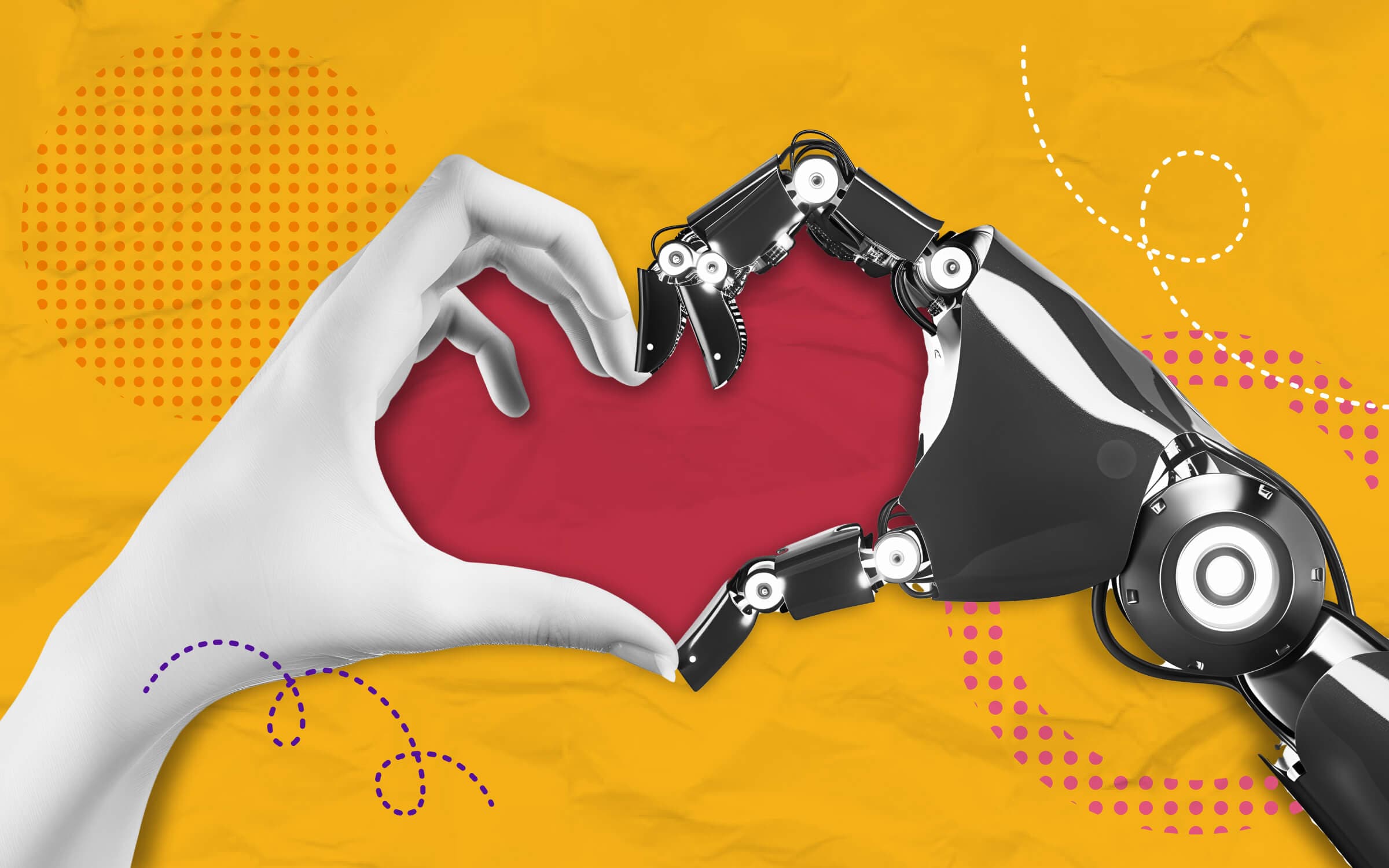
As AI disruption and economic uncertainty reshape career decisions, many employees are staying in roles out of caution rather than fulfillment. Members of the HR Think Tank share how leaders can detect “job-hugging,” address underlying fears and create environments where employees feel secure, valued and motivated to grow. Across industries, a new workplace behavior is quietly reshaping workforce dynamics: “job-hugging.” Unlike traditional retention, job-hugging occurs when employees remain in their roles not because they are fulfilled or engaged, but because leaving feels too risky in an uncertain labor market. Recent research highlights just how widespread the phenomenon has become. According to a survey cited in Forbes on the rise of job hugging, 75% of workers say they plan to stay in their current roles through at least 2027, with nearly half admitting fear or economic uncertainty—not satisfaction—is the primary reason they remain. Artificial intelligence is amplifying these concerns. Surveys show many workers worry automation will reshape or eliminate roles, leading them to prioritize stability over opportunity. In this environment, organizations may misinterpret caution as loyalty or disengagement as complacency. But leaders who understand the signals of job-hugging can address it proactively. Members of the Senior Executive HR Think Tank, a community of human resources leaders and advisors, say the solution isn’t forcing engagement—it’s creating clarity, psychological safety and meaningful pathways for growth in an AI-enabled workplace. Their insights reveal how organizations can detect job-hugging early and transform fear into forward momentum.
Company details
Ethics Resource Group
Company bio
The Ethics Resource Group partners with organizations to strategically design and govern their use of artificial intelligence through the development of a comprehensive AI Governance Framework—the overarching document that establishes the rules, guardrails, and accountability structures for AI application and use across the enterprise. This is more than a policy. It is a strategic blueprint that defines acceptable use, risk thresholds, transparency standards, human oversight requirements, bias mitigation protocols, data governance expectations, compliance alignment, and board-level reporting responsibilities. By integrating legal, operational, ethical, and reputational considerations into a single governing architecture, the Ethics Resource Group helps companies move from informal experimentation with AI to disciplined, organization-wide implementation rooted in clarity and control. Beyond framework development, the Ethics Resource Group works directly with executive teams, boards, compliance leaders, and operational departments to guide ethical AI implementation in practice. This includes conducting AI risk assessments, evaluating vendor tools, establishing review committees, creating decision-making protocols, designing training programs, and embedding accountability mechanisms that align innovation with organizational values. The goal is not to slow AI adoption—but to strengthen it. By proactively addressing issues such as bias, explainability, data integrity, privacy, intellectual property, and regulatory exposure, the Ethics Resource Group ensures that companies deploy AI responsibly, protect stakeholder trust, and position themselves for sustainable, long-term growth in an increasingly AI-driven economy.