
Skills
About
Maureen Metcalf is Founder and CEO of the Innovative Leadership Institute, where she advises boards, CEOs, and executive teams on leading through complexity. Over more than two decades, she has built a body of work spanning strategy execution, culture-to-performance transformation, AI-era governance, and succession readiness — helping organizations translate insight into measurable results. She is the author of 11 books on leadership, including Innovative Leadership & Followership in the Age of AI, and hosts Innovating Leadership: Co-Creating Our Future, a podcast reaching listeners in 121 countries. Maureen is a Fellow of the International Leadership Association, holds an honorary doctorate from Franklin University, and serves on advisory boards at James Madison University and Franklin University. Her core belief: leadership is a system — and systems can be designed to perform.
Maureen Metcalf
Published content

expert panel
Customers increasingly expect companies to anticipate their needs and make interactions seamless. Members of the HR Think Tank explain how employers can apply those principles to the employee experience while preserving human connection, autonomy, trust and belonging.Consumers have become accustomed to experiences that anticipate their needs, remove unnecessary friction and adapt to individual preferences. That expectation is increasingly finding its way into the workplace, where employees encounter everything from personalized learning recommendations to flexible benefits and technology-enabled HR services.But applying customer experience principles to employees has an important limit: Employees are not simply consumers of an internal service. They are participants in an ongoing relationship with their organizations.That distinction is central to the advice from members of the Senior Executive HR Think Tank, a curated group of HR leaders, consultants and workplace experts. Their perspectives suggest that the best employee experiences borrow the principles of customer experience, such as clarity, responsiveness, personalization and ease, without adopting a transactional mindset.Deloitte's 2025 Global Human Capital Trends research supports that balance. The report found that 67% of leaders consider customizing work and workforce practices around employees' skills, motivations, passions and work styles important. Yet only 5% said their organizations were leading in using technology to hyper-personalize how they influence workers. Deloitte also emphasizes that personalization must be balanced with employee autonomy and responsible data practices.
expert panel
Aug 31, 2026
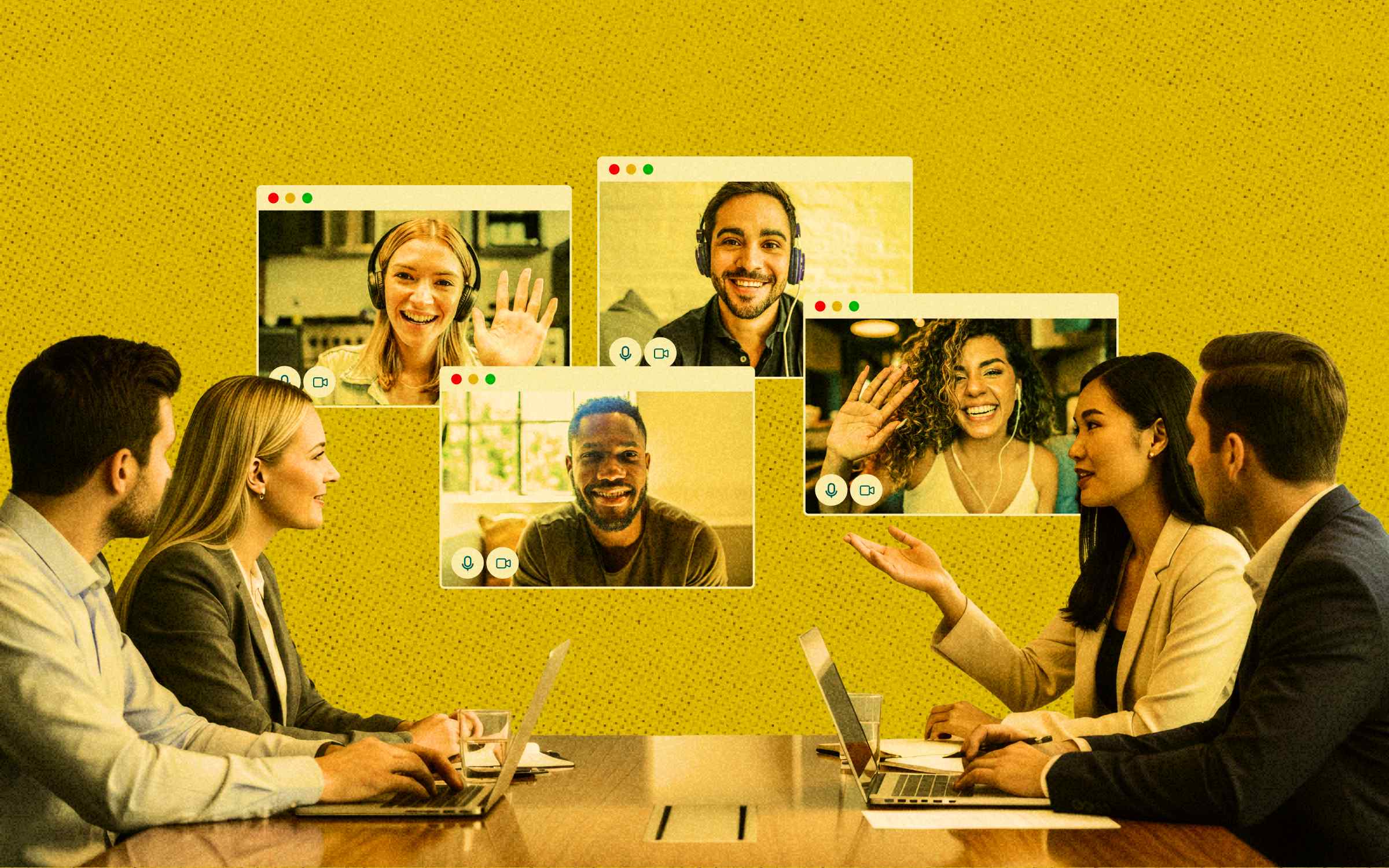
Hybrid and distributed work have changed how employees experience connection. Members of the HR Think Tank share how managers can make belonging part of everyday leadership through intentional communication, equitable access, stronger relationships and better work design.For years, organizations could confuse physical proximity with connection. Employees saw one another in hallways, gathered before meetings and absorbed informal information simply by being nearby. Hybrid and distributed work have made it much harder to assume those experiences will happen naturally.That matters because hybrid work remains a durable part of the workplace. Gallup's 2026 tracking shows that 52% of U.S. employees in remote-capable jobs work in hybrid arrangements, while 26% work exclusively remotely.Members of the Senior Executive HR Think Tank say the answer is not to recreate the office online. Instead, managers must deliberately build belonging into how they communicate, distribute opportunities, recognize contributions and design the work itself.
expert panel
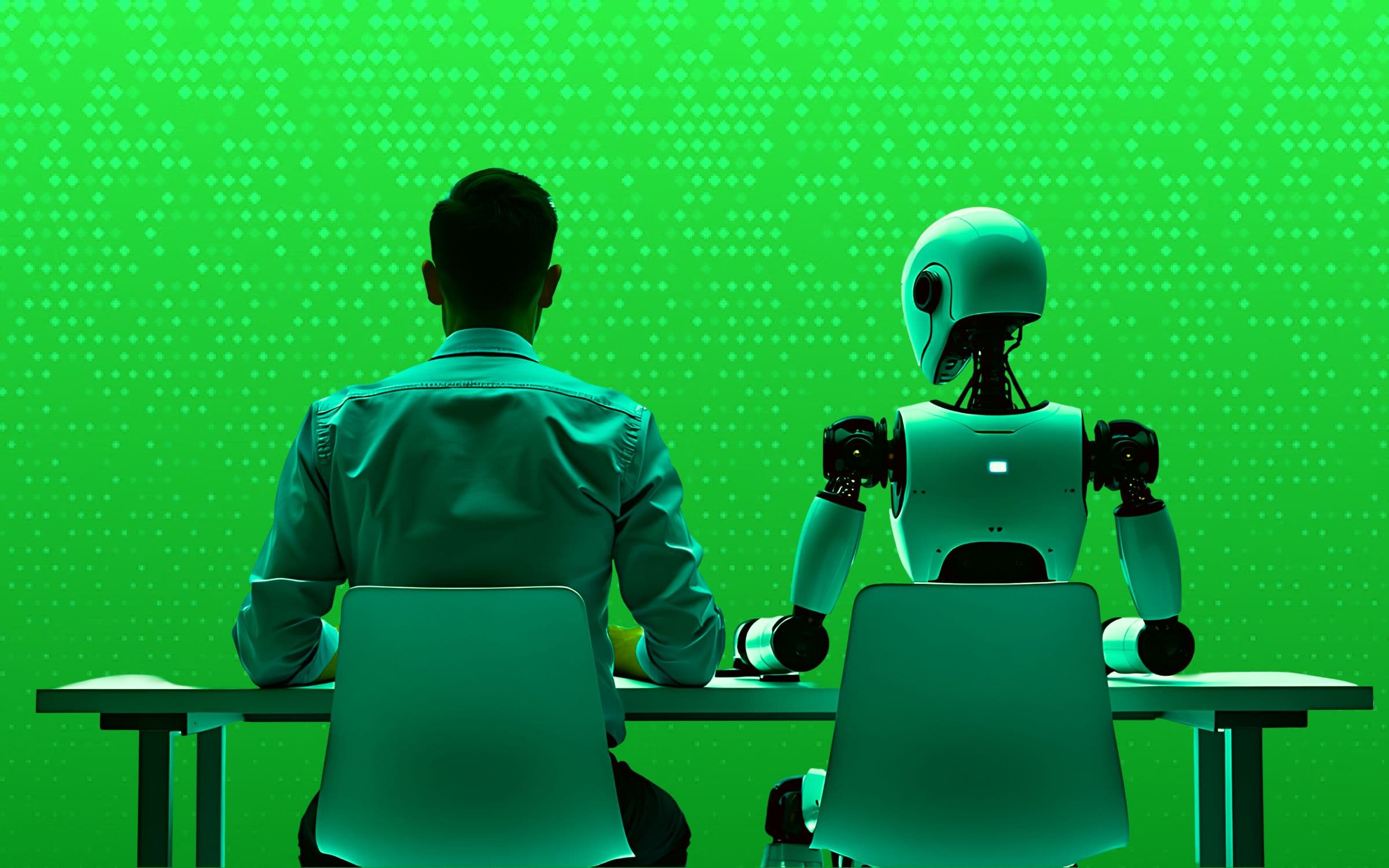
As AI and automation take on more work, leaders face a new challenge: creating efficiency without crowding out human judgment, creativity and connection. Members of the Senior Executive HR Think Tank share how to determine what should remain human, protect time for creative thinking and redesign AI-enabled work around better human outcomes.With AI and automation becoming part of everyday work, the leadership challenge is no longer simply deciding what can be automated. It’s deciding what should be. The more capable these systems become, the easier it is to automate work that once required significant human effort.But efficiency alone does not guarantee better thinking, stronger decisions or more innovative outcomes. In fact, the organizations that benefit most from AI may be those that use it not simply to increase output but to create more capacity for distinctly human work.That decision is becoming increasingly important as AI adoption accelerates. Gallup's 2025 research on AI use at work found that the share of U.S. employees using AI at work at least a few times a year had nearly doubled in two years, rising from 21% in 2023 to 40% in early 2025. As adoption expands, however, leaders must consider how to use technology in ways that strengthen rather than diminish human capabilities.That distinction is at the center of the insights shared by members of the Senior Executive HR Think Tank. Their experiences across leadership development, HR, organizational psychology, human performance and business transformation suggest that the strongest human-AI models are not built around a fixed division between people and technology. Instead, they are designed around the different strengths each brings to the work.The opportunity, then, is to use automation to create capacity and deliberately reinvest that capacity in judgment, creativity, relationships and the kinds of thinking that give work its strategic value.

expert panel
Mental health at work cannot be addressed through benefits alone. Members of the Senior Executive HR Think Tank explain how leaders can design workloads, management practices, autonomy, psychological safety and workplace systems to support sustainable performance.Workplace mental health is increasingly recognized as a business and organizational design issue—not simply an employee benefit. SHRM's 2026 research found that stress and anxiety remain significant concerns among U.S. workers, while companies continue to wrestle with employee burnout and the underuse of mental health benefits.That raises a more fundamental question: What if organizations stopped asking employees to cope better with unhealthy conditions and instead examined the conditions themselves? Members of the Senior Executive HR Think Tank bring expertise in psychology, HR, organizational design, leadership, culture and workforce strategy to that question.Their answers point toward a common idea: A mentally healthy workplace is not created by adding another program to the benefits portfolio. It is created by deliberately designing work so people can perform without continually sacrificing their psychological well-being.
expert panel
As labor markets, workplace models and technology continue to evolve, employers are rethinking traditional probationary periods alongside onboarding, performance expectations and early success. Members of the Senior Executive HR Think Tank explain how organizations can modernize these practices while maintaining accountability, fairness and trust.The first months of employment have always been critical, but the assumptions behind probationary periods, onboarding timelines and performance expectations are changing. Roles are becoming more complex, AI is reshaping workflows and employees are entering organizations with different expectations about flexibility, development and career growth.For employers, the challenge is finding the right balance: moving quickly enough to meet business demands while giving employees the clarity, support and resources needed to succeed. Rigid timelines that once worked may no longer reflect how work gets done today.To understand how leaders should approach this shift, we turned to members of the Senior Executive HR Think Tank, a curated group of human resources executives and advisors who examine the evolving challenges facing today’s workforce. Their insights reveal that the future of onboarding is not about lowering standards—it is about creating clearer expectations, stronger systems and more effective paths to performance.
Company details
Innovative Leadership Institute
Company bio
Founded in 2001, the Innovative Leadership Institute (ILI) helps boards, CEOs, and executive teams lead effectively in complex, fast-changing environments. ILI works at the intersection of strategy and culture — translating executive vision into measurable performance through leadership diagnostics, culture-to-performance activation, AI-ready leadership development, and succession planning. ILI has partnered with organizations across financial services, healthcare, manufacturing, and higher education, and grounds its work in original research through its own think tank, developed in partnership with a leading university's school of strategic leadership. ILI's mission: raise the standard of leadership practice by turning insight into action and helping leaders create lasting impact.