
Skills
About
Dr. Curtis Odom is a Management Professor at Northeastern University's D'Amore-McKim School of Business, where he teaches management consulting, global talent management, organizational transformation, and leadership development. He holds the PCC credential from the International Coaching Federation, serves on the Harvard Business Review Advisory Council, and draws on over 25 years of Fortune 100 experience. His writing on leadership, organizational transformation, and AI adoption appears regularly in HBR and Forbes. Dr. Odom is also Managing Partner of Prescient Strategists, a consulting firm that helps organizations implement AI, drive business transformation, and lead change with confidence. The firm delivers core solutions centered on the human side of change: cultural integration, leadership development, and workforce transformation.
Curtis Odom
Published content

expert panel
Workplace loyalty has evolved beyond long tenure and unquestioning commitment. Members of the Senior Executive HR Think Tank explain why trust, fair treatment, career development and reciprocal accountability are essential to building lasting employee relationships in today's changing job market.For generations, workplace loyalty was measured by how long employees stayed with an employer. Long tenure signaled commitment and employers were expected to offer stability, advancement and security in return. Today, restructuring, layoffs, changing career expectations and evolving business models have made that traditional arrangement less predictable. Employers still need committed employees, but they can no longer assume lasting loyalty comes automatically with a job offer.Research reinforces the need to rethink the employee-employer relationship. A Pew Research Center survey found that only 30% of U.S. workers were highly satisfied with their pay and just 26% were highly satisfied with their opportunities for promotion. Those figures point to areas where employers can strengthen the employee experience rather than rely on tenure as evidence of commitment.Members of the Senior Executive HR Think Tank, a curated group of human resources and leadership experts, see loyalty as a two-way relationship grounded in trust, fairness, development and meaningful work. Their insights offer a practical framework for leaders seeking to retain valuable talent, preserve institutional knowledge and build workplaces where employees choose to contribute because the relationship continues to serve both sides.
expert panel
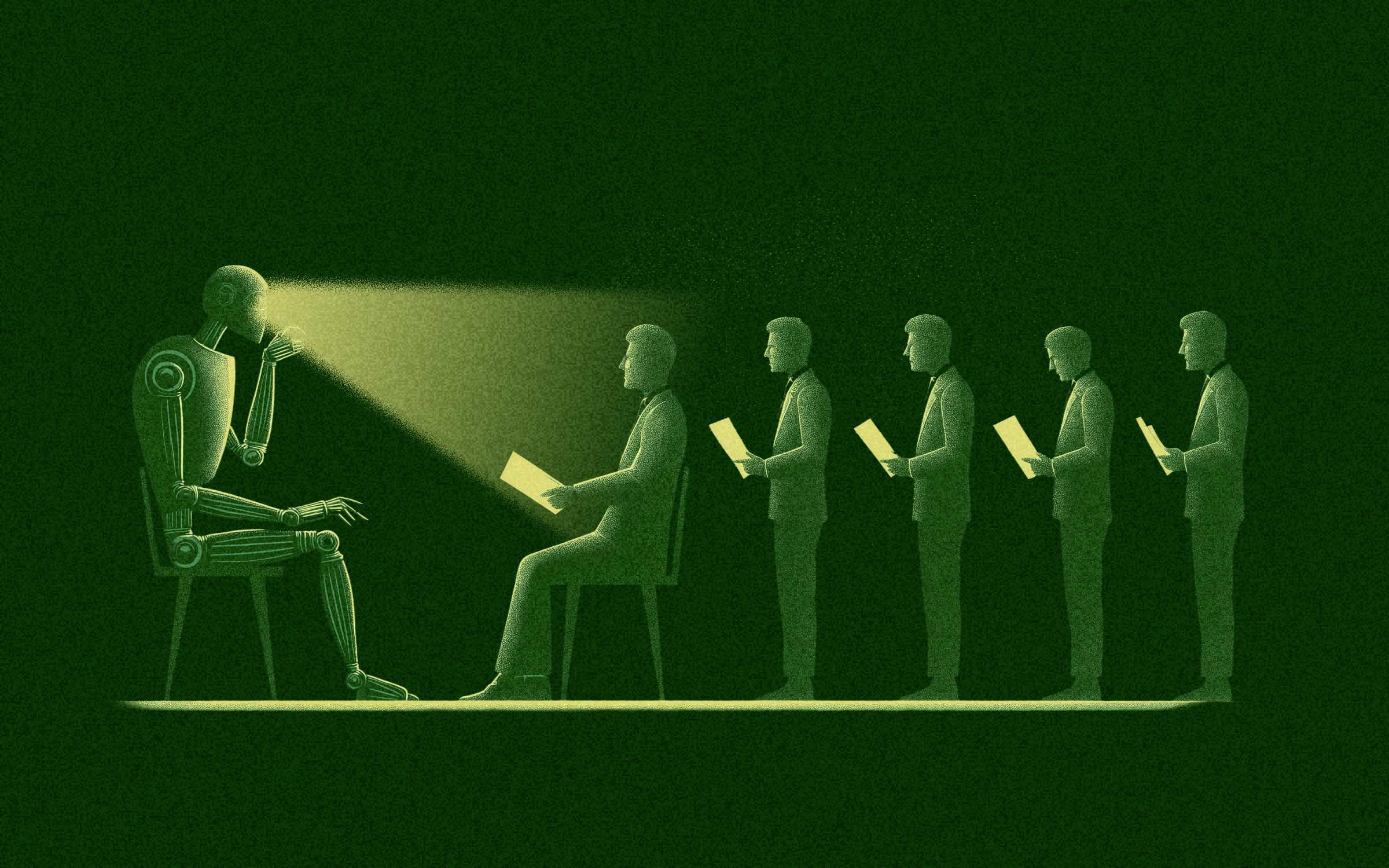
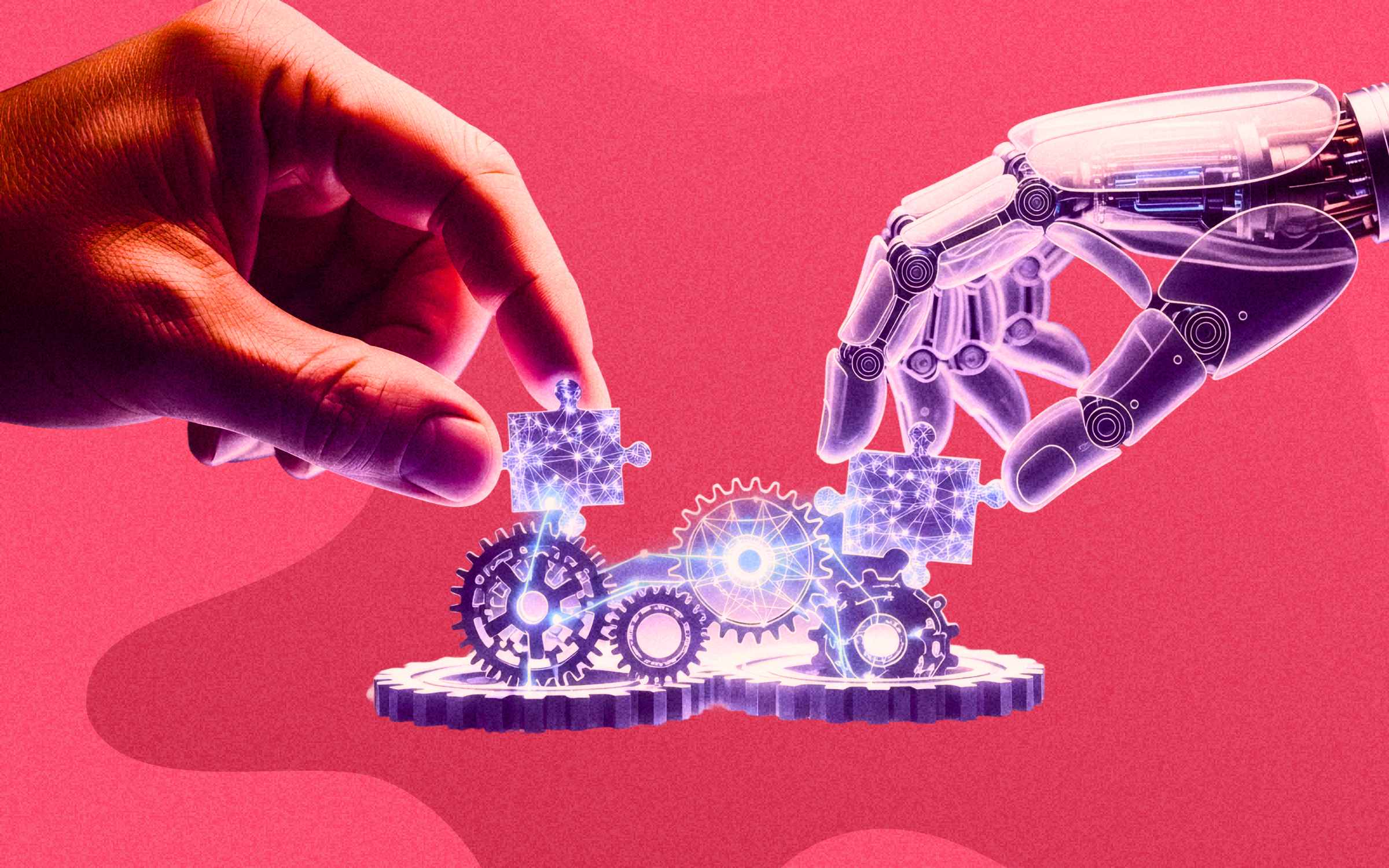
As AI takes on more recruiting tasks, HR leaders must decide where automation should stop, and human accountability should begin. Members of the Senior Executive HR Think Tank explain when candidates deserve human judgment, communication, transparency and a meaningful opportunity to challenge an automated decision.Hiring has always involved a tension between efficiency and humanity, but artificial intelligence is pushing that tension into new territory. AI can now help screen resumes, identify candidates, generate job descriptions and automate communication. According to LinkedIn's 2025 Future of Recruiting report, 37% of recruiting organizations are actively integrating or experimenting with generative AI, while 73% of talent-acquisition professionals say AI will change the way organizations hire.That makes the question less about whether companies should use AI and more about where responsibility belongs when technology affects someone's opportunity. Members of the Senior Executive HR Think Tank bring perspectives spanning talent acquisition, organizational leadership, career coaching, workplace culture and HR technology.Across their responses, one principle emerges: AI can take on more of the process, but companies cannot automate accountability.
expert panel
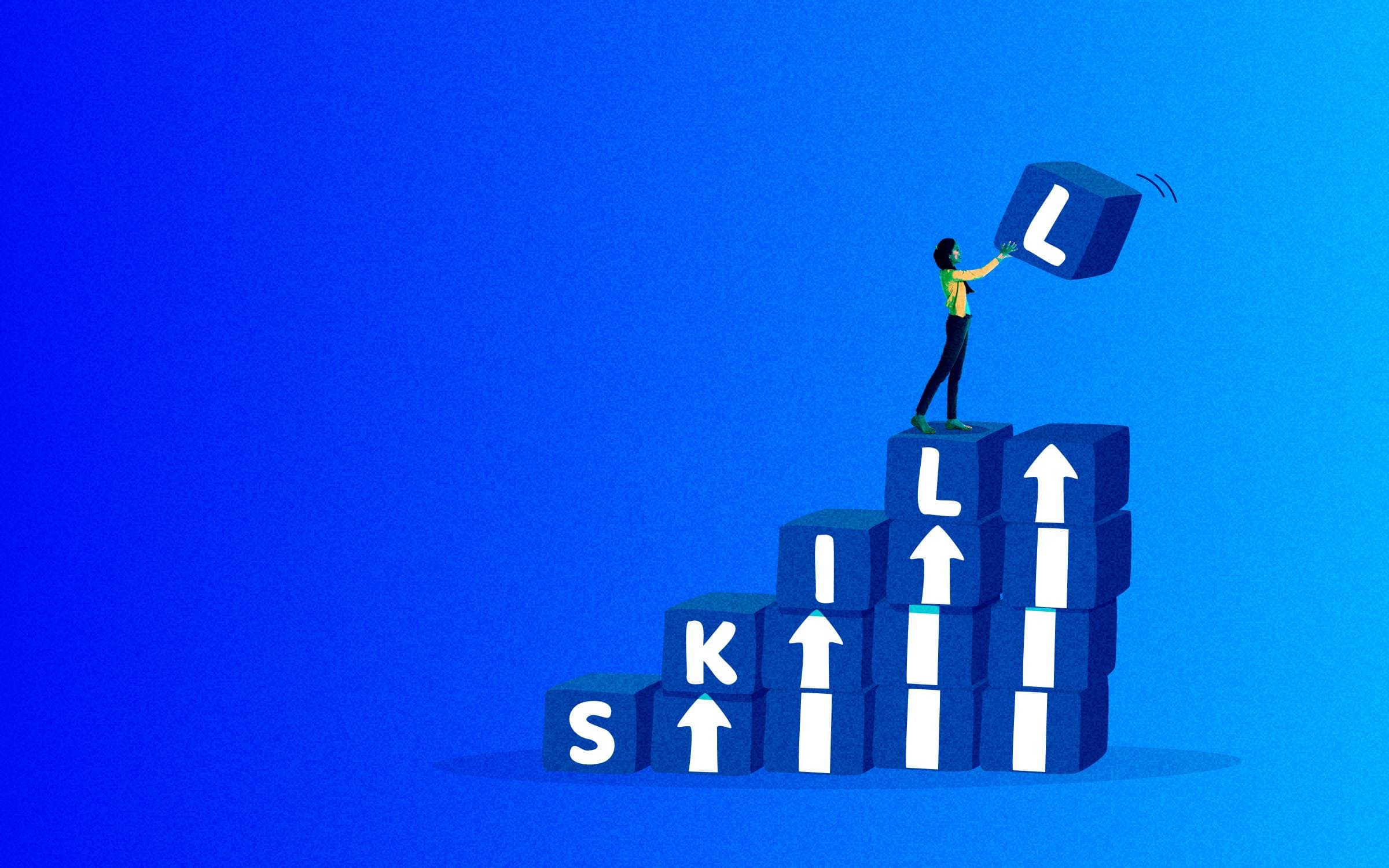
Job stability can provide more than a paycheck. Members of the Senior Executive HR Think Tank explain how employees can use secure roles to develop portable skills, expertise, relationships and career options before they need them.A stable job can create a false sense of permanence. Employees may have a dependable salary, established responsibilities and a clear place in the organization, yet none of that guarantees the role will exist indefinitely.That makes career development more than a retention strategy. It can also be a form of career risk management.The Senior Executive HR Think Tank offers a consistent message: Employees should use periods of stability to build capabilities that remain valuable even when their current positions do not.The need is becoming more pressing as the skills required to perform many jobs continue to change. The World Economic Forum's Future of Jobs Report 2025 finds that employers expect 39% of workers' core skills to change by 2030, while creative thinking, resilience, flexibility and agility remain among the skills expected to grow in importance.For employees, that means the best time to prepare for a career transition may be long before one becomes necessary.
expert panel
Aug 31, 2026
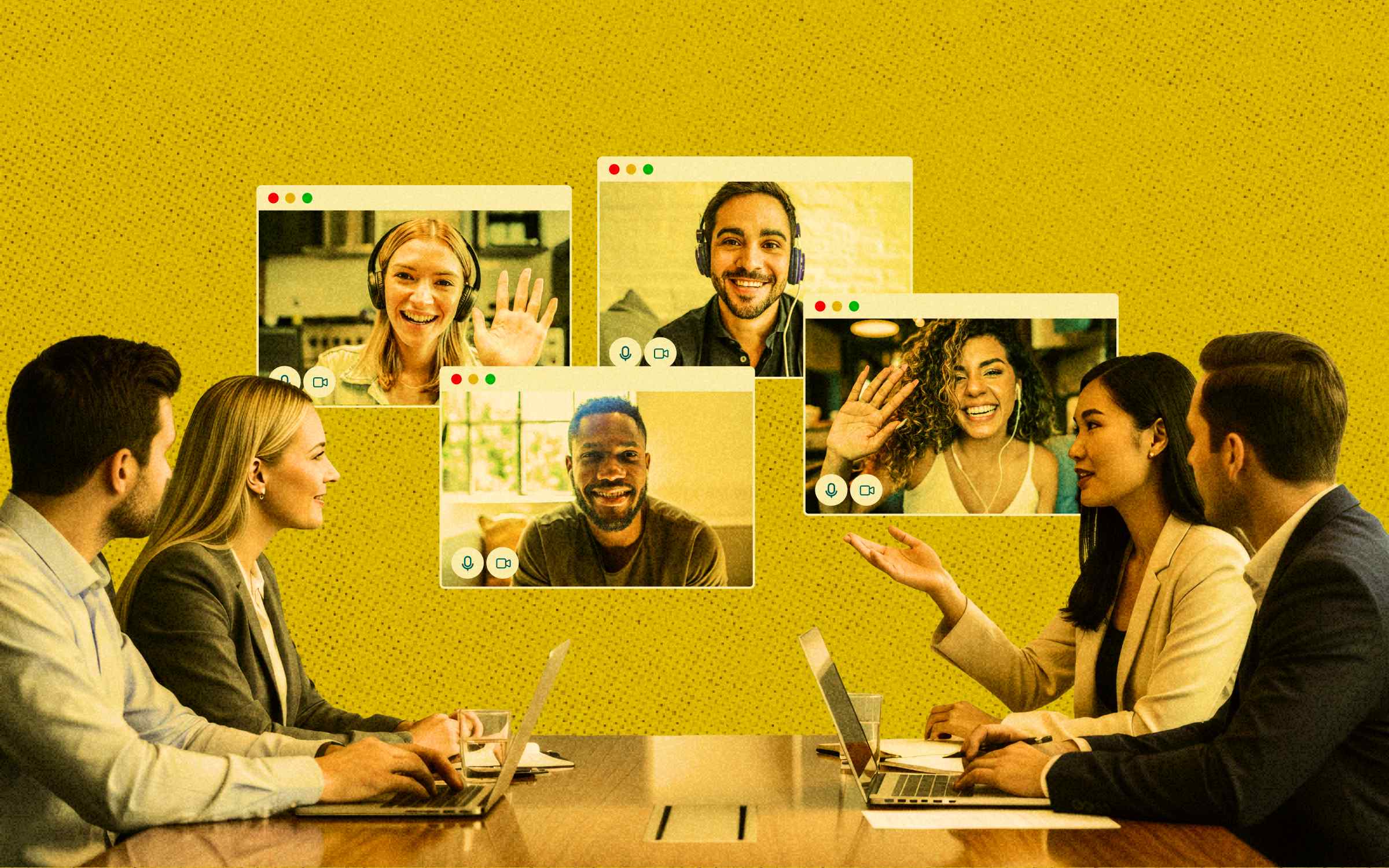
Hybrid and distributed work have changed how employees experience connection. Members of the HR Think Tank share how managers can make belonging part of everyday leadership through intentional communication, equitable access, stronger relationships and better work design.For years, organizations could confuse physical proximity with connection. Employees saw one another in hallways, gathered before meetings and absorbed informal information simply by being nearby. Hybrid and distributed work have made it much harder to assume those experiences will happen naturally.That matters because hybrid work remains a durable part of the workplace. Gallup's 2026 tracking shows that 52% of U.S. employees in remote-capable jobs work in hybrid arrangements, while 26% work exclusively remotely.Members of the Senior Executive HR Think Tank say the answer is not to recreate the office online. Instead, managers must deliberately build belonging into how they communicate, distribute opportunities, recognize contributions and design the work itself.

expert panel
Mental health at work cannot be addressed through benefits alone. Members of the Senior Executive HR Think Tank explain how leaders can design workloads, management practices, autonomy, psychological safety and workplace systems to support sustainable performance.Workplace mental health is increasingly recognized as a business and organizational design issue—not simply an employee benefit. SHRM's 2026 research found that stress and anxiety remain significant concerns among U.S. workers, while companies continue to wrestle with employee burnout and the underuse of mental health benefits.That raises a more fundamental question: What if organizations stopped asking employees to cope better with unhealthy conditions and instead examined the conditions themselves? Members of the Senior Executive HR Think Tank bring expertise in psychology, HR, organizational design, leadership, culture and workforce strategy to that question.Their answers point toward a common idea: A mentally healthy workplace is not created by adding another program to the benefits portfolio. It is created by deliberately designing work so people can perform without continually sacrificing their psychological well-being.

expert panel
Aug 10, 2026
Every summer, millions of working parents face the same logistical puzzle: school is out, camps fill quickly and reliable childcare becomes both harder to find and more expensive. For employers, the resulting strain often shows up as higher absenteeism, dipped productivity, disrupted schedules and, eventually, turnover.The scale of that strain is well documented. A Bright Horizons Modern Family Index survey of more than 2,000 U.S. adults found that 87% of working parents report challenges or disruptions when their children are home during the summer, and 76% say their focus at work depends directly on how reliable their kids' summer schedules are. Employers have reason to care beyond goodwill: a study from Boston Consulting Group and Moms First found that companies investing in childcare benefits saw returns ranging from 90% to 425%, with retaining as few as 1% of eligible employees covering the cost of the benefit for everyone who qualifies.To find out which benefit delivers the greatest return, we turned to members of the Senior Executive HR Think Tank, a curated group of human resources leaders and advisors. Their answers point to a nuanced truth: the benefit that pays off is the one employees can actually use.





Company details
Prescient Strategists
Company bio
Prescient Strategists is a Boston-based, award-winning management consulting practice serving Fortune 100 companies, global organizations, and leading colleges and universities worldwide. We help organizations navigate complex transformations by combining proven expertise in organizational change management, M&A cultural integration, and leadership development with a sharpened focus on AI workforce readiness. Founder Dr. Curtis Odom is a workforce strategist and certified executive coach with 25 years of Fortune 100 leadership experience. As both researcher and practitioner, he delivers change management, strategic workforce planning, executive coaching, and leadership development solutions that support mergers, acquisitions, and large-scale transformation initiatives.