

Fabio Danze Montini
Business owner and investorFDM industrial sales & marketing SL
Skills
About
40 years in sales. Allways looking for how to apply marketing and new technologies included AI to industrial SME world. Graduated in AI for Leaders at Texas Un. Industrial sales & marketing trainer and coach. 2 books and 6 eBooks on AI Industrial sales and marketing

Fabio Danze Montini
Published content

expert panel
Sep 25, 2026
The first generation of AI adoption asked a simple question: What work can we automate?The next question is harder: What happens to the people who were experts at doing it before?Expertise has traditionally been built through practice. Engineers write and review code. Analysts work through problems. Marketers study audiences and campaigns. Architects design systems. Leaders accumulate judgment by making decisions and seeing what happens next. If AI increasingly performs those activities, where does that leave the role of the expert?Members of the Senior Executive AI Think Tank—a curated group of leaders specializing in machine learning, generative AI and enterprise AI applications—are thinking about that transition from inside the organizations and disciplines being reshaped by AI. Together, they raise an important question that reaches into the design of the organization itself: How do you build a company where AI can do more of the work without losing the human expertise that tells the company what work is worth doing?
expert panel
Sep 18, 2026
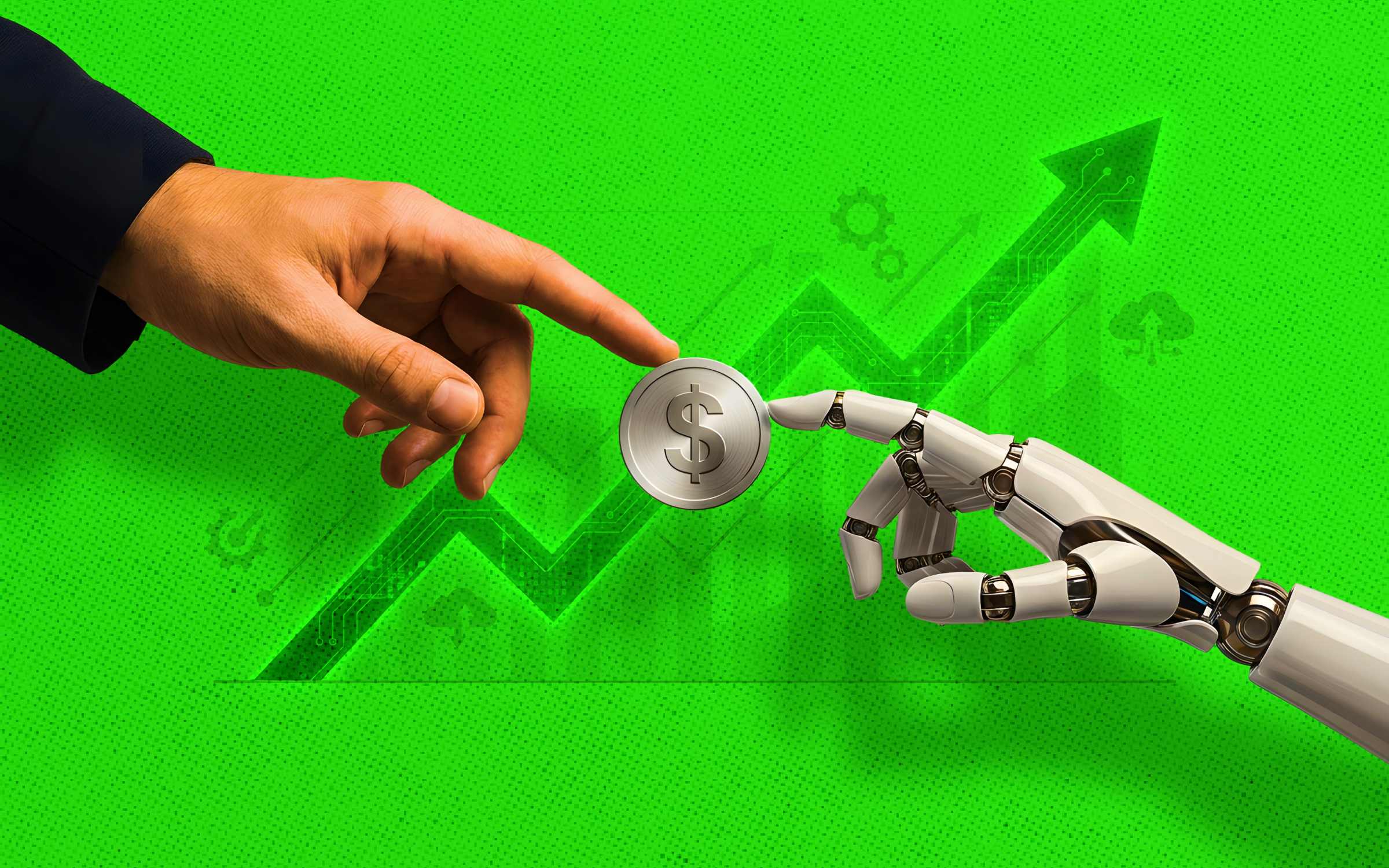
Startup fundraising has always followed a familiar formula: build the product, prove traction, raise enough money to reach the next milestone.But AI is disrupting that formula. Models change quickly, inference costs fluctuate, enterprise sales cycles can stretch for months and today’s breakthrough feature can become tomorrow’s commodity. The assumptions behind a traditional runway or growth plan can change before a company reaches its next round.That means AI founders need to rethink what they are raising capital to prove. Is it customer demand? Technical feasibility? Sustainable unit economics? Enterprise readiness? Or a durable advantage that can survive the next model release?Founders shouldn’t just consider how much money their startup can raise, but what that capital needs to accomplish—and what evidence it should produce along the way.Members of the Senior Executive AI Think Tank—a curated group of executives and practitioners working across machine learning, generative AI and enterprise AI applications—share the fundraising advice they believe AI founders should leave behind, from chasing maximum capital to relying too heavily on traditional traction, and what investors should see instead.

expert panel
Aug 20, 2026
Early-career employees have always learned by doing the work that more experienced colleagues have moved beyond: building the first draft, reconciling data, troubleshooting code, preparing analyses and sitting in on important decisions. Much of it is repetitive, but it also gives new professionals something essential—exposure to how problems unfold, how mistakes get fixed and how judgment develops.As AI takes over more of that work, companies face a problem hiding inside a productivity opportunity: If the first rung of the career ladder disappears, what replaces it?Members of the Senior Executive AI Think Tank—experts in machine learning, generative AI and enterprise AI applications—are seeing this challenge across industries. They point to a new approach: Let AI handle more of the execution while giving early-career employees more responsibility for evaluating work, making decisions, solving problems and learning from experienced leaders.That means rethinking more than training programs. In the sections that follow, members of the Think Tank explain how leaders can redesign junior roles around judgment and verification, use simulations and AI-generated work as training tools, preserve mentorship and hands-on experience and give emerging talent meaningful accountability earlier in their careers—ensuring that as AI makes work faster, it doesn't make the path to becoming a capable leader disappear.
expert panel
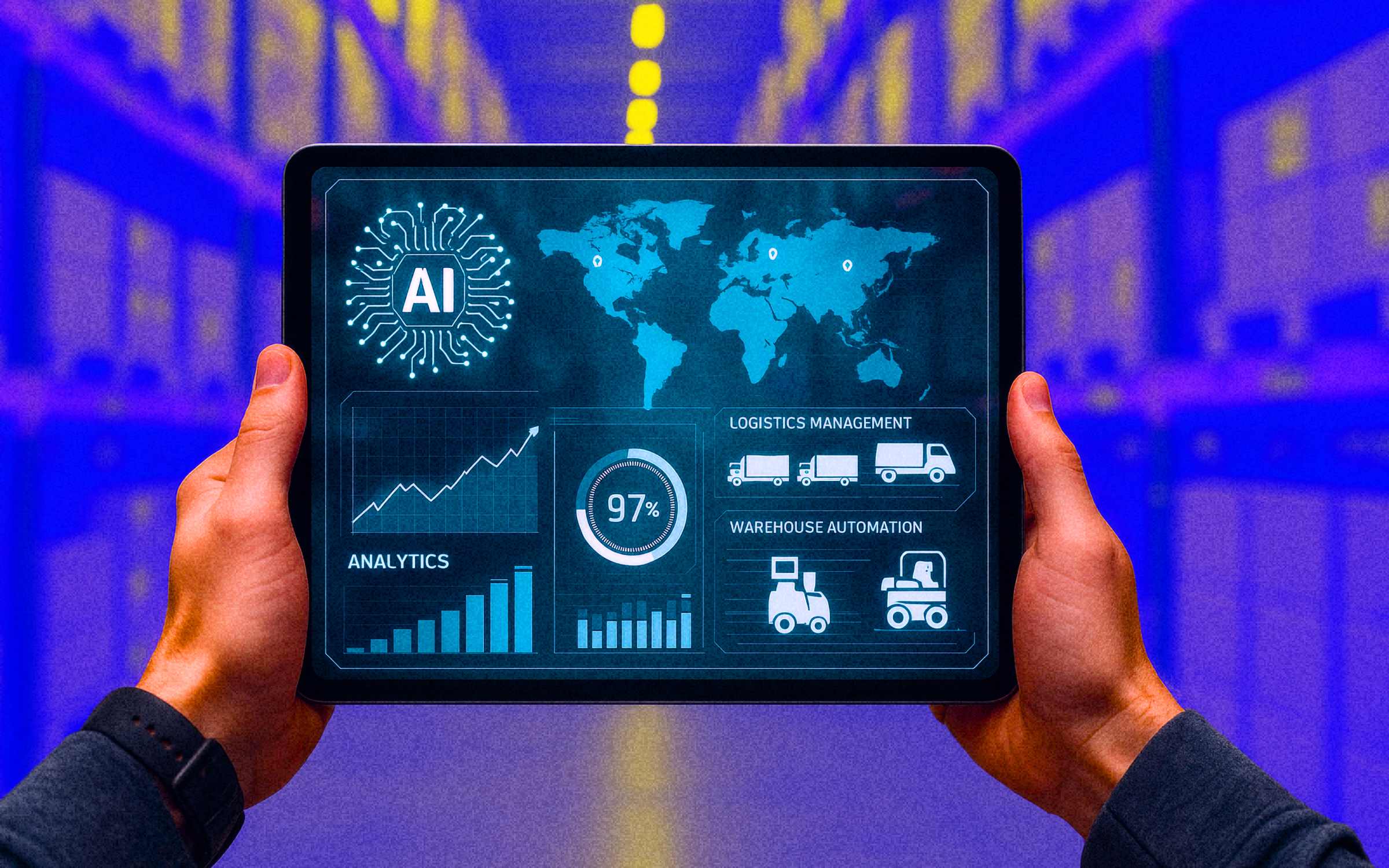
Supply chains have historically been designed around a simple premise: Build the best possible plan, then execute it as efficiently as possible. Artificial intelligence has made those plans smarter, helping companies forecast demand more accurately, optimize transportation routes and reduce inventory costs. But those improvements, while significant, still operate within the same playbook.The next chapter looks fundamentally different.Rather than simply making existing processes faster or cheaper, AI is beginning to reshape how supply chains are designed, managed and even governed. Emerging technologies such as agentic AI, digital twins and real-time decision engines can continuously evaluate changing market conditions, simulate alternative scenarios and recommend—or in some cases execute—responses before disruptions ripple across the business. In this model, supply chains become adaptive systems rather than static networks.The business case for that evolution is growing stronger. Gartner predicts that by 2030, half of supply chain management solutions will incorporate agentic AI capable of making autonomous cross-functional decisions, reflecting a broader shift from automation to intelligent orchestration. At the same time, geopolitical instability, changing trade policies and increasingly unpredictable customer demand are forcing organizations to rethink resilience as a competitive advantage—not just an operational objective.Against this backdrop, members of the Senior Executive AI Think Tank, a curated community of leaders specializing in machine learning, generative AI and enterprise AI applications, see a common theme emerging. The greatest transformation will not come from AI replacing planners or optimizing another workflow. Instead, they argue, AI is becoming the connective tissue that links procurement, manufacturing, logistics, finance and leadership into continuously learning decision systems. That shift promises to redefine not only how supply chains operate but also how organizations make decisions, assign accountability and create value in an increasingly uncertain world.
expert panel
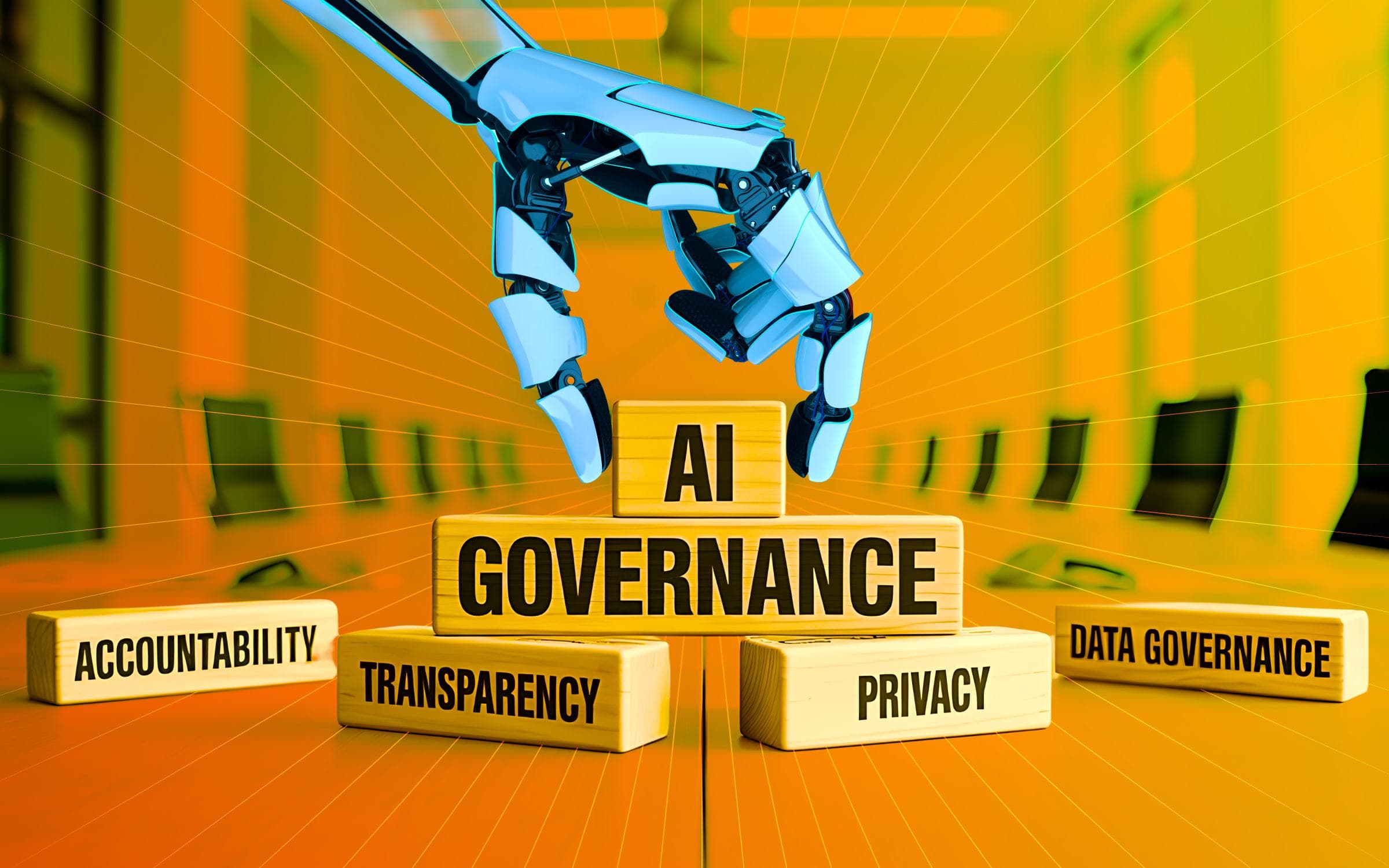
For many customers, the first question they have about an AI-powered product is no longer “What can it do?” It’s “What happens to my data when I use it?”That question is becoming harder for organizations to answer as AI moves deeper into everyday business processes. A customer using an AI assistant, a patient interacting with a healthcare platform or an employee relying on an AI-powered workflow may not know what systems are operating behind the scenes—but they increasingly want to understand how their information is being handled.Where is the data processed? Who has access to it? Is it being used to improve a model? What control does the customer have if they want to change their preferences? These questions are forcing executives to rethink what transparency means in the AI era. A privacy policy alone is no longer enough. Customers want clear explanations, practical choices and confidence that organizations are applying the same principles internally that they communicate externally.Members of the Senior Executive AI Think Tank—a curated group of experts specializing in machine learning, generative AI and enterprise AI applications—say trust will depend on more than meeting regulatory requirements. From stronger governance processes to clearer communication about data use, these leaders share how organizations can build trust while continuing to innovate.
expert panel
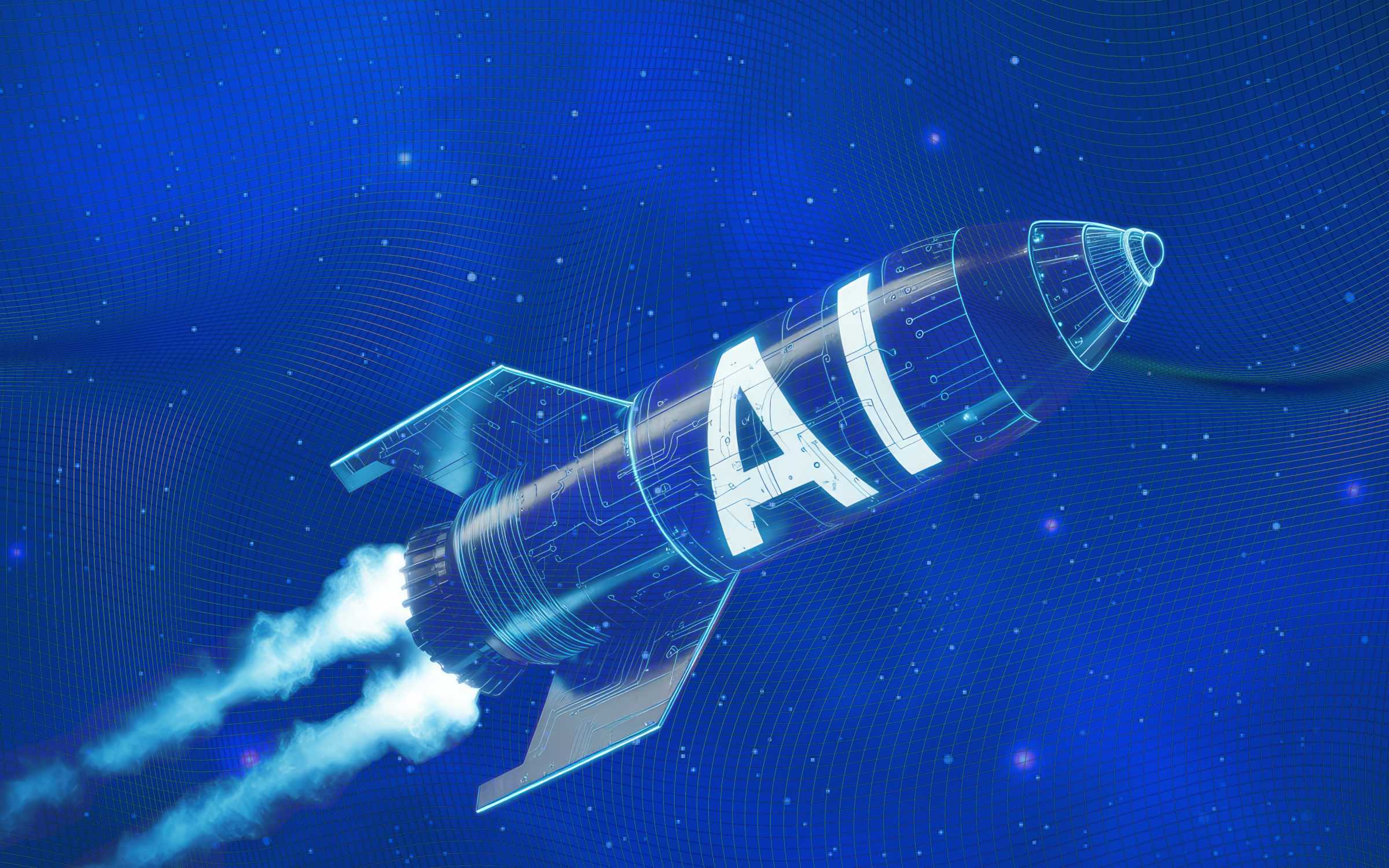
For decades, the technology industry's infrastructure strategy has been remarkably straightforward: Build bigger data centers, add more fiber and deploy more compute capacity closer to users. But what if the next major leap in AI infrastructure happens above the planet rather than on it?That question is gaining attention as SpaceX continues expanding its Starlink satellite network and explores ways its orbital infrastructure could support AI-related computing and global data movement. While the concept of space-based AI infrastructure remains in its early stages, it represents a potentially significant shift in how organizations think about compute, connectivity and data distribution. Instead of relying exclusively on terrestrial networks, future AI systems could leverage orbital infrastructure to extend services into remote regions, improve resilience and create entirely new competitive dynamics.The idea is gaining traction at a time when demand for AI infrastructure is accelerating rapidly. According to a Goldman Sachs analysis, AI-related data center power demand is expected to increase dramatically through the end of the decade as organizations race to secure the compute capacity needed to support next-generation AI applications. As those investments accelerate, executives are increasingly asking whether future infrastructure strategies will be limited to Earth—or whether space will become a critical extension of the global AI stack.To better understand the opportunities and risks, members of the Senior Executive AI Think Tank shared their perspectives on how space-based AI infrastructure could reshape cloud providers, telecommunications companies and AI platform vendors over the next decade. Their insights reveal both extraordinary possibilities and significant challenges, from global connectivity and distributed computing to governance, economics and the growing concentration of infrastructure power.






Company details
FDM industrial sales & marketing SL
Company bio
Focus on Method and AI for marketing and sales in industrial SME. Buddhism Applied to stress and sales management. Transformating Experience organization for SKO and corporate meetings