

Skills
About
Experienced HR executive, consultant, and people strategist with expertise in organizational development, employee relations, leadership coaching, change management, and HR technology. Passionate about helping organizations build stronger workplace cultures while supporting leaders through transformation, growth, and the evolving future of work.

Gigi Garcia
Published content
expert panel
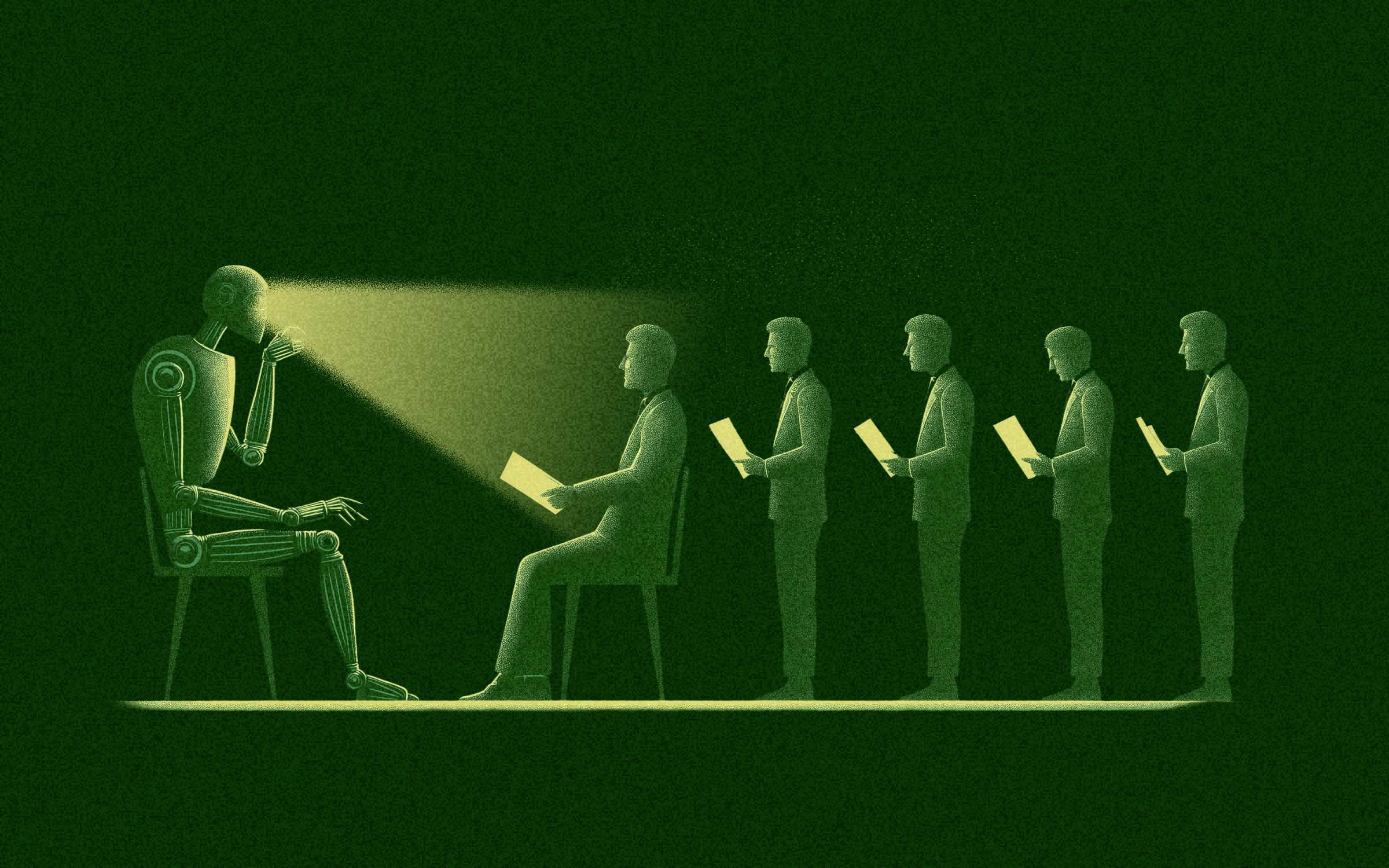
As AI takes on more recruiting tasks, HR leaders must decide where automation should stop, and human accountability should begin. Members of the Senior Executive HR Think Tank explain when candidates deserve human judgment, communication, transparency and a meaningful opportunity to challenge an automated decision.Hiring has always involved a tension between efficiency and humanity, but artificial intelligence is pushing that tension into new territory. AI can now help screen resumes, identify candidates, generate job descriptions and automate communication. According to LinkedIn's 2025 Future of Recruiting report, 37% of recruiting organizations are actively integrating or experimenting with generative AI, while 73% of talent-acquisition professionals say AI will change the way organizations hire.That makes the question less about whether companies should use AI and more about where responsibility belongs when technology affects someone's opportunity. Members of the Senior Executive HR Think Tank bring perspectives spanning talent acquisition, organizational leadership, career coaching, workplace culture and HR technology.Across their responses, one principle emerges: AI can take on more of the process, but companies cannot automate accountability.
expert panel
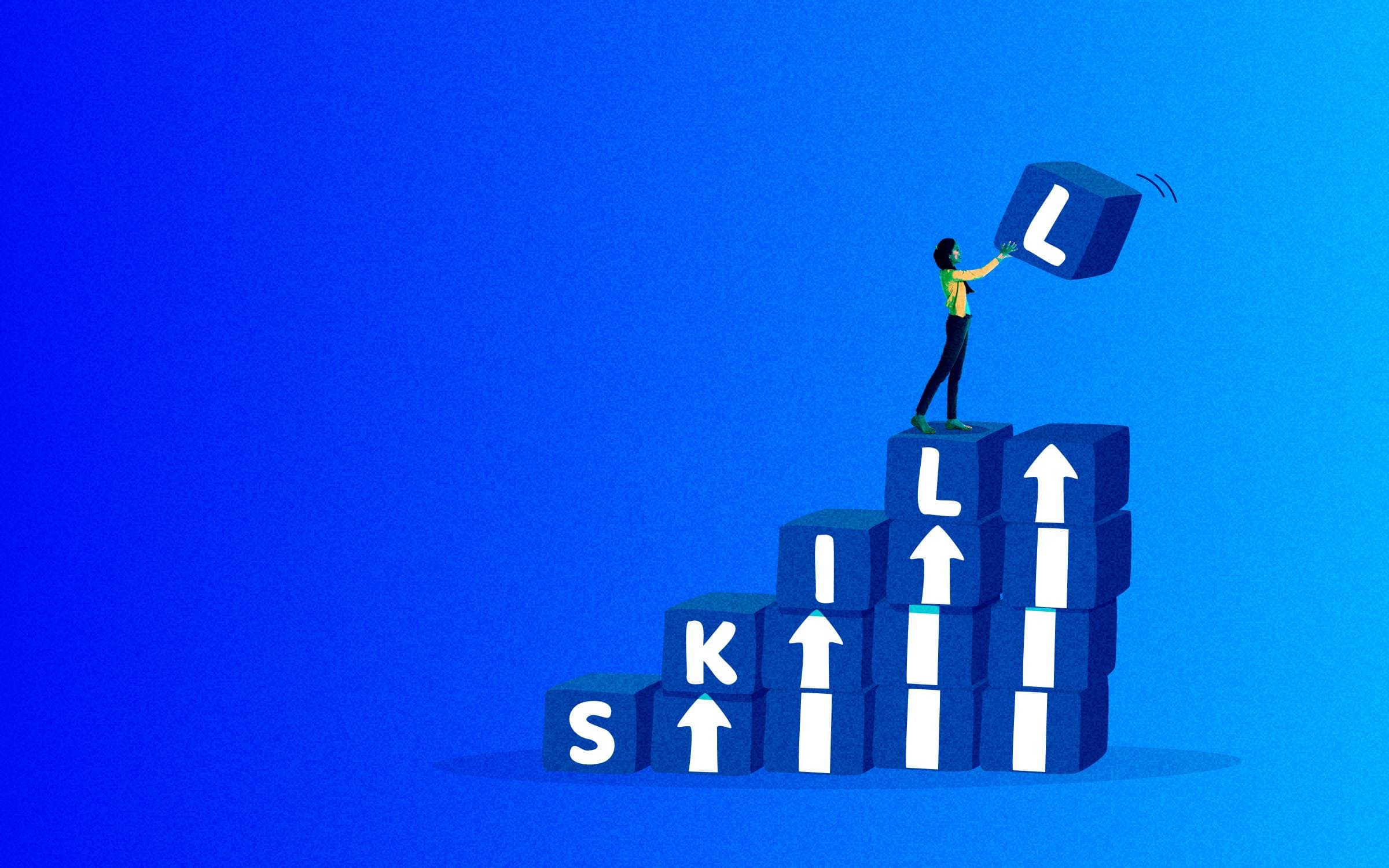
Job stability can provide more than a paycheck. Members of the Senior Executive HR Think Tank explain how employees can use secure roles to develop portable skills, expertise, relationships and career options before they need them.A stable job can create a false sense of permanence. Employees may have a dependable salary, established responsibilities and a clear place in the organization, yet none of that guarantees the role will exist indefinitely.That makes career development more than a retention strategy. It can also be a form of career risk management.The Senior Executive HR Think Tank offers a consistent message: Employees should use periods of stability to build capabilities that remain valuable even when their current positions do not.The need is becoming more pressing as the skills required to perform many jobs continue to change. The World Economic Forum's Future of Jobs Report 2025 finds that employers expect 39% of workers' core skills to change by 2030, while creative thinking, resilience, flexibility and agility remain among the skills expected to grow in importance.For employees, that means the best time to prepare for a career transition may be long before one becomes necessary.

expert panel
Members of the Senior Executive HR Think Tank explore why empathy, self-awareness and compassion are becoming essential leadership competencies and what the shift means for developing and evaluating leaders.Leadership has never been only about strategy, execution or financial results. But as employee expectations continue to change, the way leaders create those results is receiving greater scrutiny. Employees increasingly expect leaders to understand their own impact, recognize the experiences of others and create environments where people can perform without sacrificing trust or humanity.That makes the distinction between “soft skills” and business skills increasingly difficult to defend. Members of the Senior Executive HR Think Tank bring experience across executive leadership, HR, talent acquisition, leadership development and organizational consulting to examine what this means for organizations and how companies can make these competencies part of how leaders are developed, assessed and promoted.The timing matters. Gallup's 2026 State of the Global Workplace report found that global employee engagement fell to 20% in 2025, its lowest level since 2020, while manager engagement fell to 22%. At the same time, a recent Forbes article on workplace trust highlights how trust is built through the everyday ways leaders communicate, connect and follow through. Together, these dynamics raise an increasingly important question: Are self-awareness, empathy and compassion simply “soft skills,” or are they now essential leadership competencies?
expert panel
Aug 31, 2026
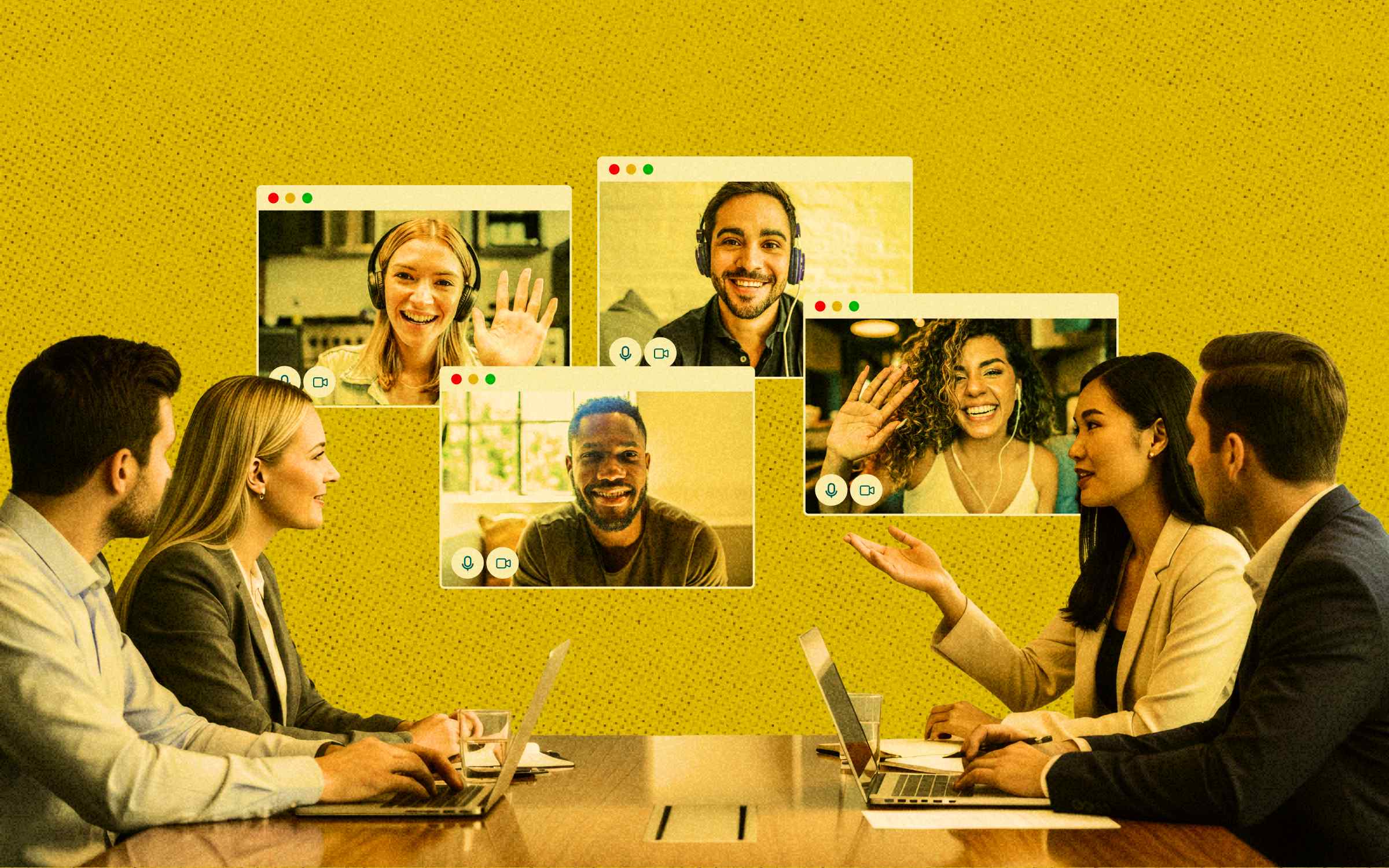
Hybrid and distributed work have changed how employees experience connection. Members of the HR Think Tank share how managers can make belonging part of everyday leadership through intentional communication, equitable access, stronger relationships and better work design.For years, organizations could confuse physical proximity with connection. Employees saw one another in hallways, gathered before meetings and absorbed informal information simply by being nearby. Hybrid and distributed work have made it much harder to assume those experiences will happen naturally.That matters because hybrid work remains a durable part of the workplace. Gallup's 2026 tracking shows that 52% of U.S. employees in remote-capable jobs work in hybrid arrangements, while 26% work exclusively remotely.Members of the Senior Executive HR Think Tank say the answer is not to recreate the office online. Instead, managers must deliberately build belonging into how they communicate, distribute opportunities, recognize contributions and design the work itself.
Company details
HR Couch
Company bio
HR Couch is a people-first consulting and coaching firm dedicated to helping organizations build healthier workplaces through strategic human resources, leadership development, employee relations, HR technology, and organizational transformation. We believe the people responsible for protecting workplace culture deserve a safe culture, too. Our mission is to help leaders create workplaces where people can thrive, teams can grow, and businesses can succeed.