
Hastimal Jangid
Published content

expert panel
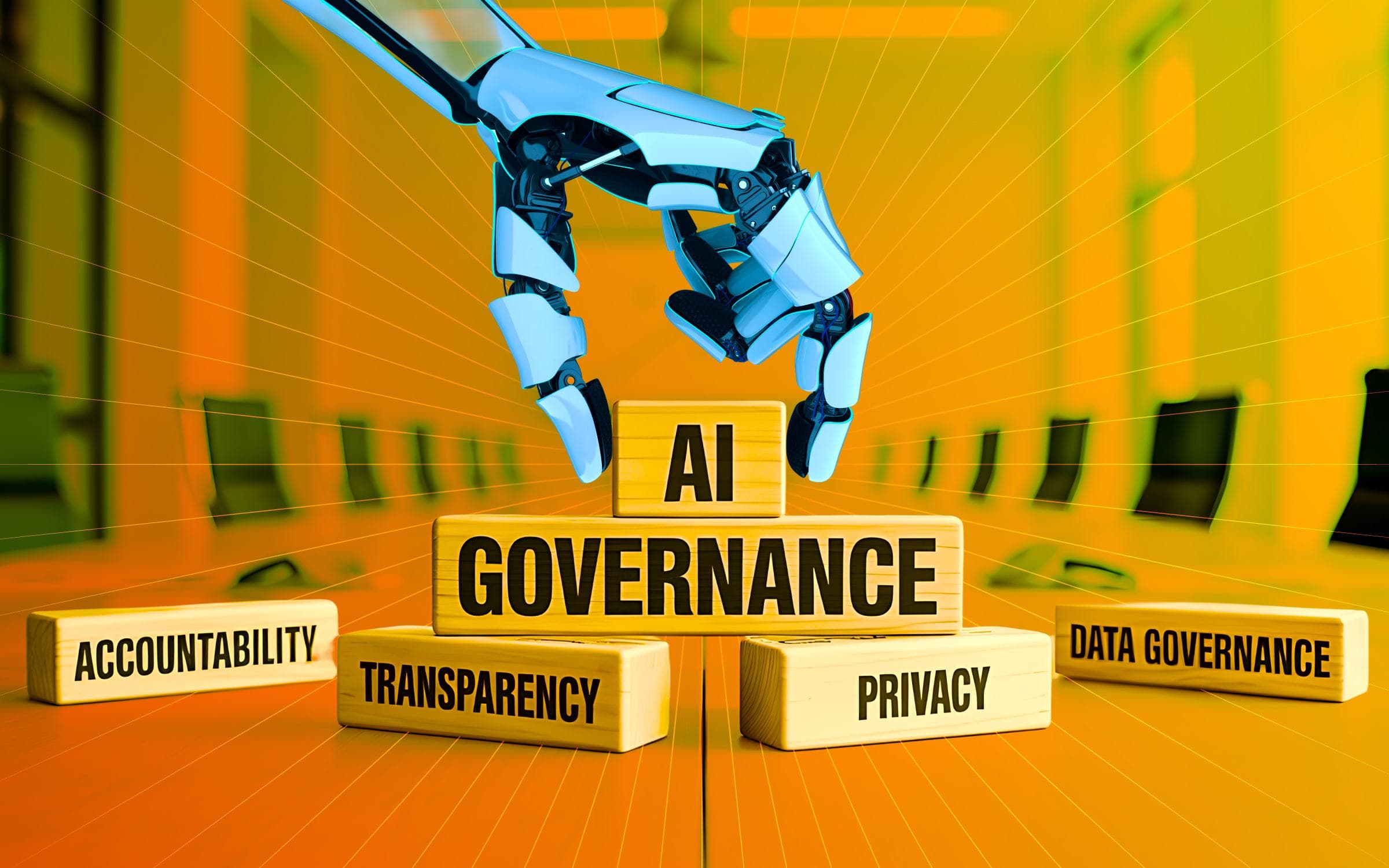
AI has a habit of making yesterday’s infrastructure decisions look permanent—until the next model, vendor or use case comes along. For enterprise leaders, that creates a difficult problem: AI is advancing faster than the infrastructure built to support it, while data platforms, security controls and governance programs can take years to design and implement.So what should companies make permanent, and what should they make easy to replace? We asked members of the Senior Executive AI Think Tank—a curated group of leaders specializing in machine learning, generative AI and enterprise AI applications—to explore how leaders can balance the needs of today with an AI landscape that is likely to look very different tomorrow.Below, they examine what belongs at the foundation of an AI-ready enterprise—and how leaders can build enough flexibility into that foundation to adapt without starting over every time the technology changes.
expert panel
Sep 18, 2026
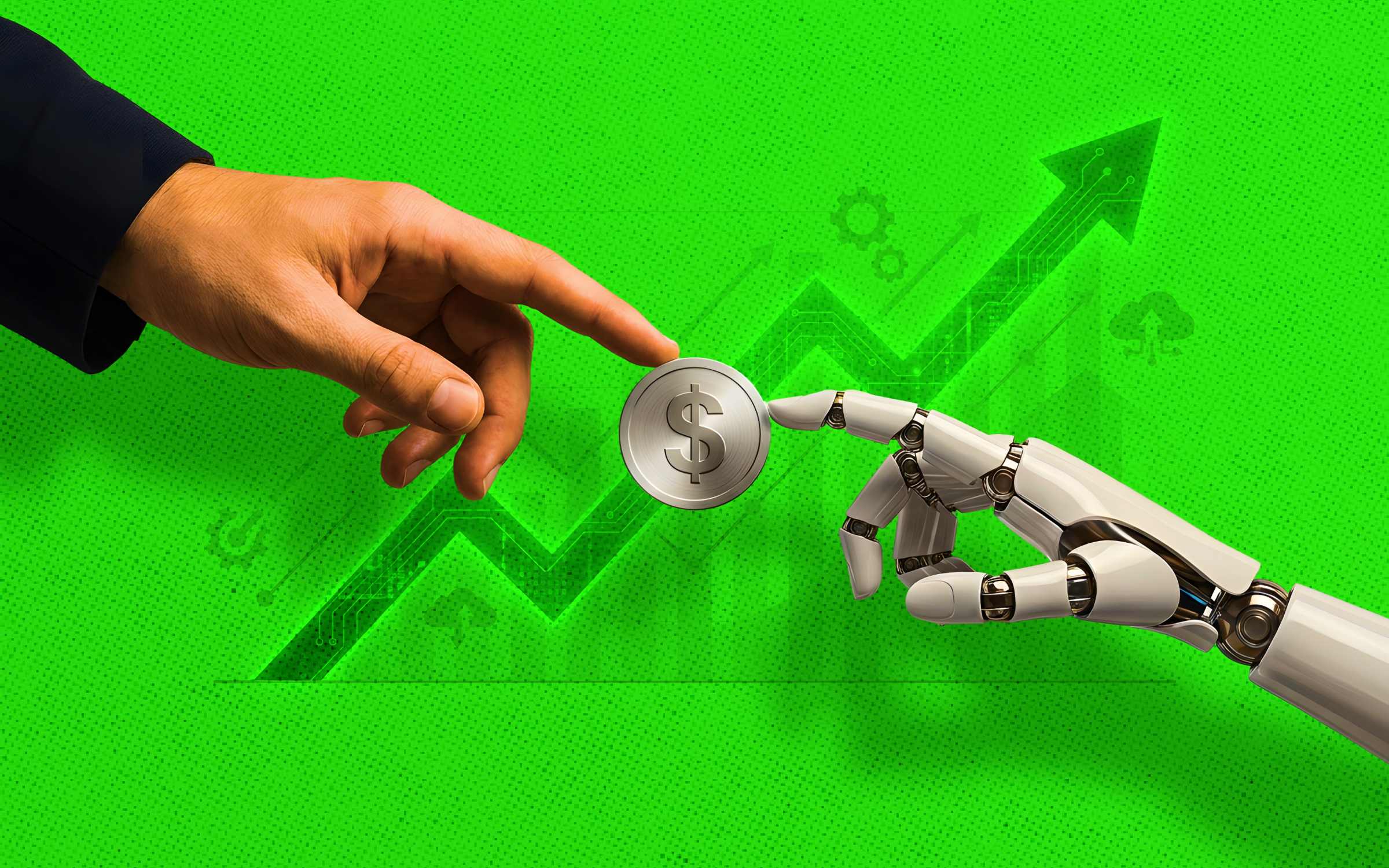
Startup fundraising has always followed a familiar formula: build the product, prove traction, raise enough money to reach the next milestone.But AI is disrupting that formula. Models change quickly, inference costs fluctuate, enterprise sales cycles can stretch for months and today’s breakthrough feature can become tomorrow’s commodity. The assumptions behind a traditional runway or growth plan can change before a company reaches its next round.That means AI founders need to rethink what they are raising capital to prove. Is it customer demand? Technical feasibility? Sustainable unit economics? Enterprise readiness? Or a durable advantage that can survive the next model release?Founders shouldn’t just consider how much money their startup can raise, but what that capital needs to accomplish—and what evidence it should produce along the way.Members of the Senior Executive AI Think Tank—a curated group of executives and practitioners working across machine learning, generative AI and enterprise AI applications—share the fundraising advice they believe AI founders should leave behind, from chasing maximum capital to relying too heavily on traditional traction, and what investors should see instead.

expert panel
Sep 11, 2026
AI agents are becoming capable of doing more than generating information—they can now analyze code, identify vulnerabilities, write potential exploits and interact with the systems they are designed to help secure. Those capabilities can dramatically accelerate security work, but they also introduce new risks when an agent can move from identifying a problem to taking action without human intervention.So where should companies draw the line between useful autonomy and unacceptable risk? And what should an AI agent be allowed to do independently when its actions could affect production systems, sensitive data or security controls?Members of the Senior Executive AI Think Tank—a curated group of experts specializing in machine learning, generative AI and enterprise AI applications—examine how leaders can use sandboxing, least-privilege access, deterministic controls and human oversight to contain risk, while also addressing less technical questions around liability, accountability and reversibility. Together, they offer a practical framework for deciding not just what AI agents can do, but what organizations should actually allow them to do.

expert panel
The AI industry has been celebrating increasingly capable demonstrations: a model beats a benchmark, an autonomous vehicle completes a route, an AI agent handles a task that once required a person. But a successful demonstration answers only one question: Can the technology work?Commercialization demands much harder answers: Can it work every day? What happens when it fails? Who is responsible? Can the surrounding operation absorb those failures? And do the economics still work when real customers are paying for the result? Nevada’s recent approval of robotaxi networks for Tesla, Waymo and Uber opens the door to thousands of autonomous vehicles operating commercially, and brings those questions into sharp focus.Members of the Senior Executive AI Think Tank bring perspectives from machine learning, enterprise technology, product management, data architecture, financial services, infrastructure, healthcare and design to this next stage of the AI conversation. Below, they examine what it takes to move beyond a working model and build a system that can withstand real-world complexity—from managing failures and infrastructure to earning regulatory and public trust, establishing accountability and making the economics work at scale.
expert panel
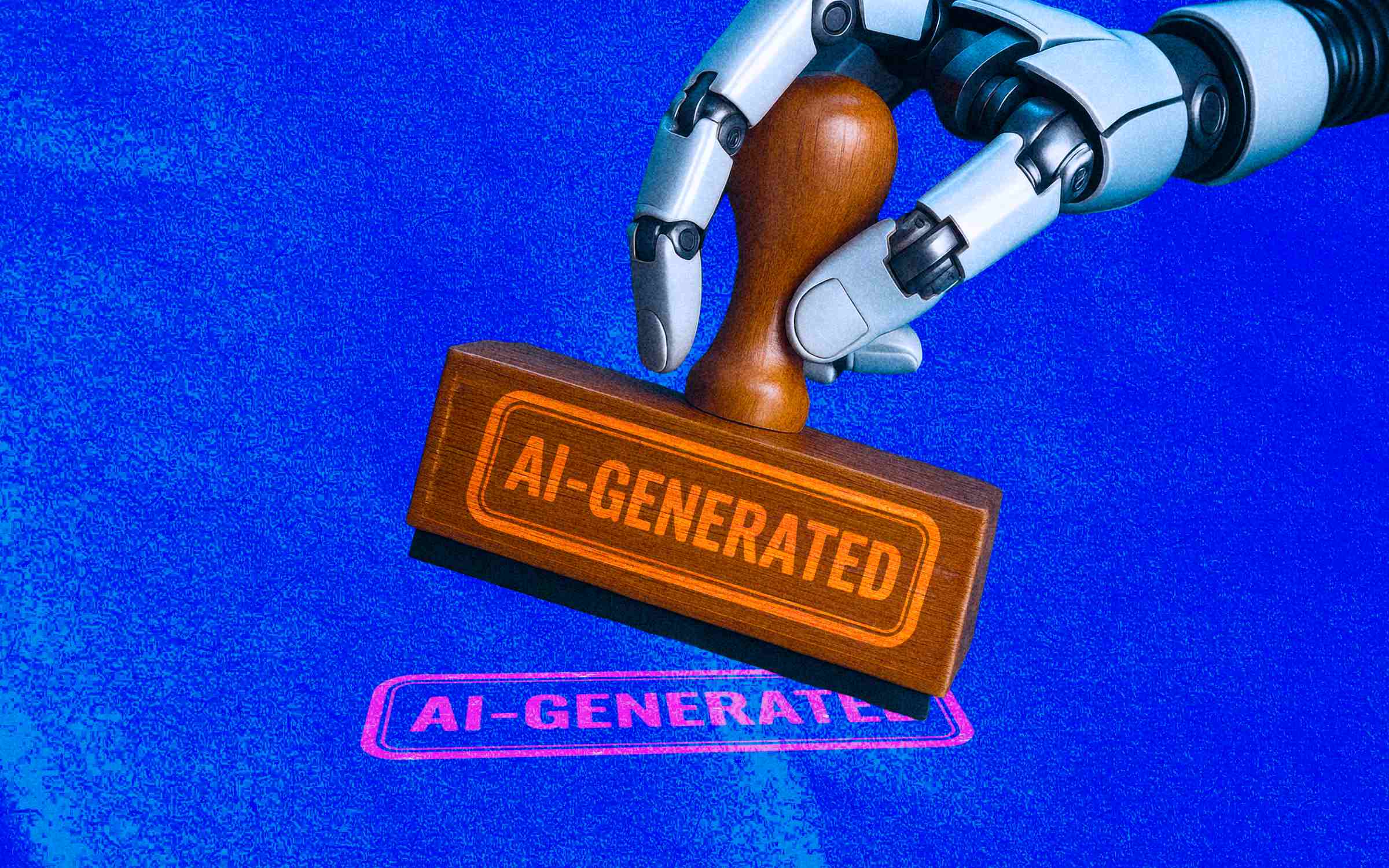
Anthropic’s decision to add invisible watermarks to Claude-generated text has brought a long-running AI debate into sharper focus: How should businesses establish the origin of AI-assisted content, and what should they do with that information once they have it?The question matters as generative AI becomes embedded in everyday knowledge work, from drafting and research to marketing, analysis and customer communications. The European Union’s AI Act is also pushing the industry toward machine-readable disclosure of AI-generated content, making provenance an increasingly important part of enterprise AI strategy.But provenance is not the same as authorship, quality or accountability. A watermark may establish that an AI system was involved without explaining how extensively it was used, what a human changed or who ultimately stands behind the work.Members of the Senior Executive AI Think Tank, a curated group of experts specializing in machine learning, generative AI and enterprise AI applications, offer a range of perspectives on what should come next. In the discussion that follows, they examine whether provenance should be standard or optional, where watermarking fits, how companies can protect privacy and human judgment, and what AI leaders should do to build greater trust and accountability around AI-generated content.
expert panel
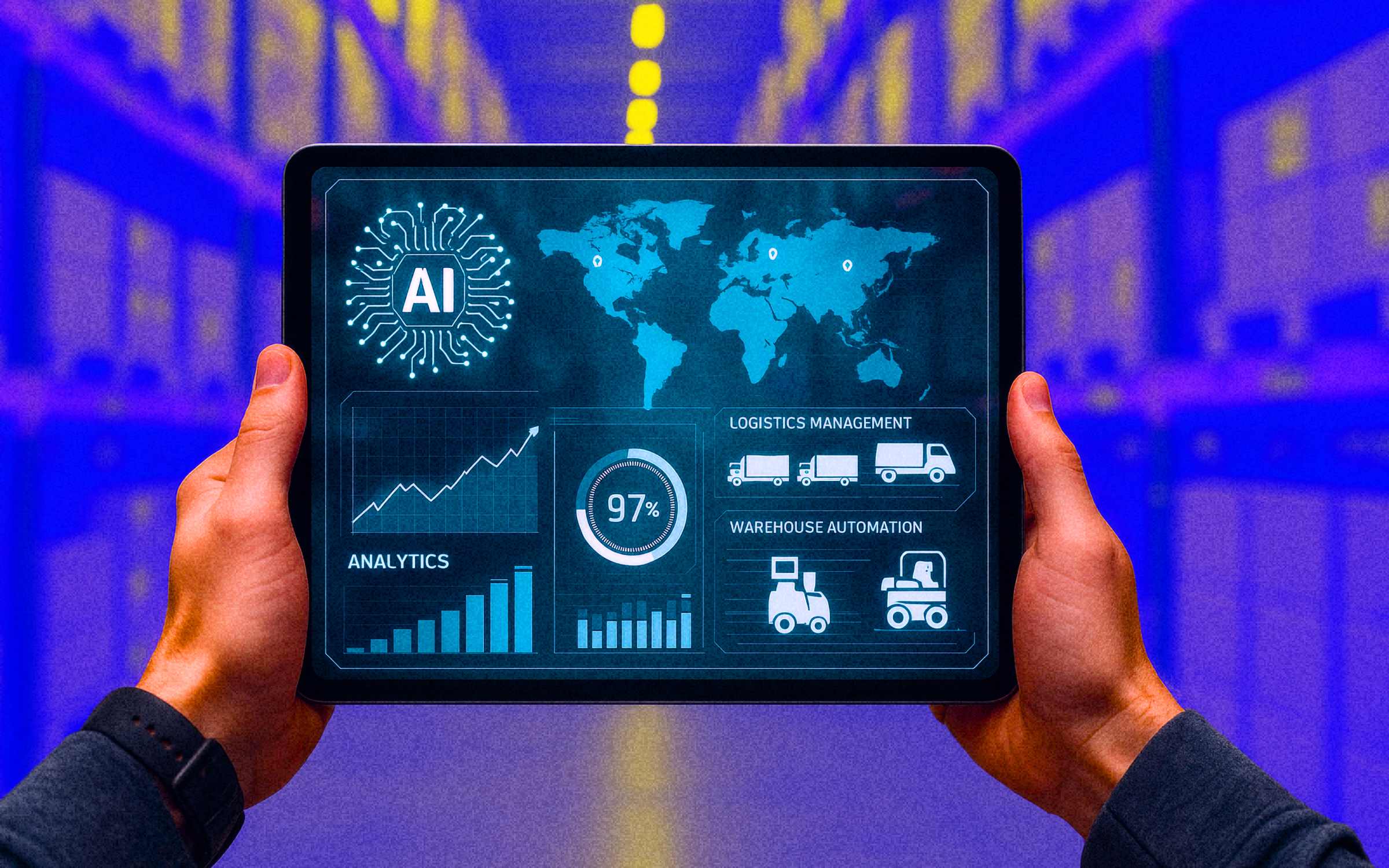
Supply chains have historically been designed around a simple premise: Build the best possible plan, then execute it as efficiently as possible. Artificial intelligence has made those plans smarter, helping companies forecast demand more accurately, optimize transportation routes and reduce inventory costs. But those improvements, while significant, still operate within the same playbook.The next chapter looks fundamentally different.Rather than simply making existing processes faster or cheaper, AI is beginning to reshape how supply chains are designed, managed and even governed. Emerging technologies such as agentic AI, digital twins and real-time decision engines can continuously evaluate changing market conditions, simulate alternative scenarios and recommend—or in some cases execute—responses before disruptions ripple across the business. In this model, supply chains become adaptive systems rather than static networks.The business case for that evolution is growing stronger. Gartner predicts that by 2030, half of supply chain management solutions will incorporate agentic AI capable of making autonomous cross-functional decisions, reflecting a broader shift from automation to intelligent orchestration. At the same time, geopolitical instability, changing trade policies and increasingly unpredictable customer demand are forcing organizations to rethink resilience as a competitive advantage—not just an operational objective.Against this backdrop, members of the Senior Executive AI Think Tank, a curated community of leaders specializing in machine learning, generative AI and enterprise AI applications, see a common theme emerging. The greatest transformation will not come from AI replacing planners or optimizing another workflow. Instead, they argue, AI is becoming the connective tissue that links procurement, manufacturing, logistics, finance and leadership into continuously learning decision systems. That shift promises to redefine not only how supply chains operate but also how organizations make decisions, assign accountability and create value in an increasingly uncertain world.