
Skills
About
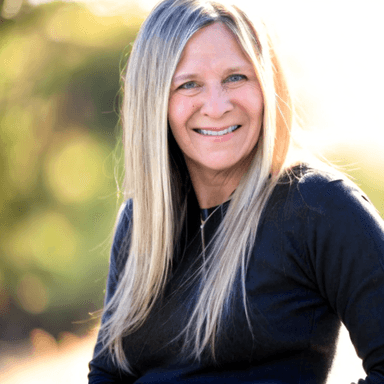
With more than 40 years in the business of people, Laci is a workplace and workforce visionary partnering with senior global HR leaders to re-imagine and re-invent when, where, and how work gets done. She has broad and deep experience in an evidence-based “insights to action” co-creation approach enabling global HR and other business leaders to be curious and think creativity about the future of work. A real thought leader in value-driven HR for today’s challenging climate and expanding employee expectations, she focuses leaders' attention on data that informs just how to ensure employees flourish and organizations thrive. Modern HR challenges of particular interest to her are inclusivity and equity, holistic well-being, meaningful and purposeful work, and AI and automation to advance measurable performance, engagement, productivity, innovation, and revenue. Laci has served in HR leadership, principal analyst, and senior consulting roles at several large global organizations representing multiple industries including LexisNexis Risk Solutions, Motorola, United Airlines, Accenture, and Bersin by Deloitte. She is a regular author and influencer in Forbes, Harvard Business Review, Talent Management Handbook, and other industry publications. Laci holds a Bachelor of Science degree in education and psychology and an MBA with HR concentration. She is active in HR organizations, Who’s Who of Business Professionals, and Networking After Work with senior HR leaders within the Las Vegas community and across the world. She can also be found on LinkedIn, X, Instagram, and FaceBook.

Laci Loew
Published content

expert panel
Employee monitoring software is no longer a niche tool. According to a 2024 report highlighted by Forbes, 43% of employees have had their online activity monitored by an employer. From keystroke logging to webcam snapshots, digital oversight has become normalized—often justified in the name of productivity and accountability. Yet the data tells a more complicated story. Research from the American Psychological Association shows that electronic monitoring is associated with higher stress levels and lower job satisfaction. As organizations attempt to balance flexibility with performance expectations, leaders must ask: At what point does insight become intrusion? Members of the Senior Executive HR Think Tank—a curated group of seasoned HR leaders and workforce experts—have confronted this question firsthand. Drawing on decades of executive leadership, research and advisory experience, they offer a consistent message: Trust is the cornerstone of performance, and once compromised, it is difficult to rebuild.
expert panel
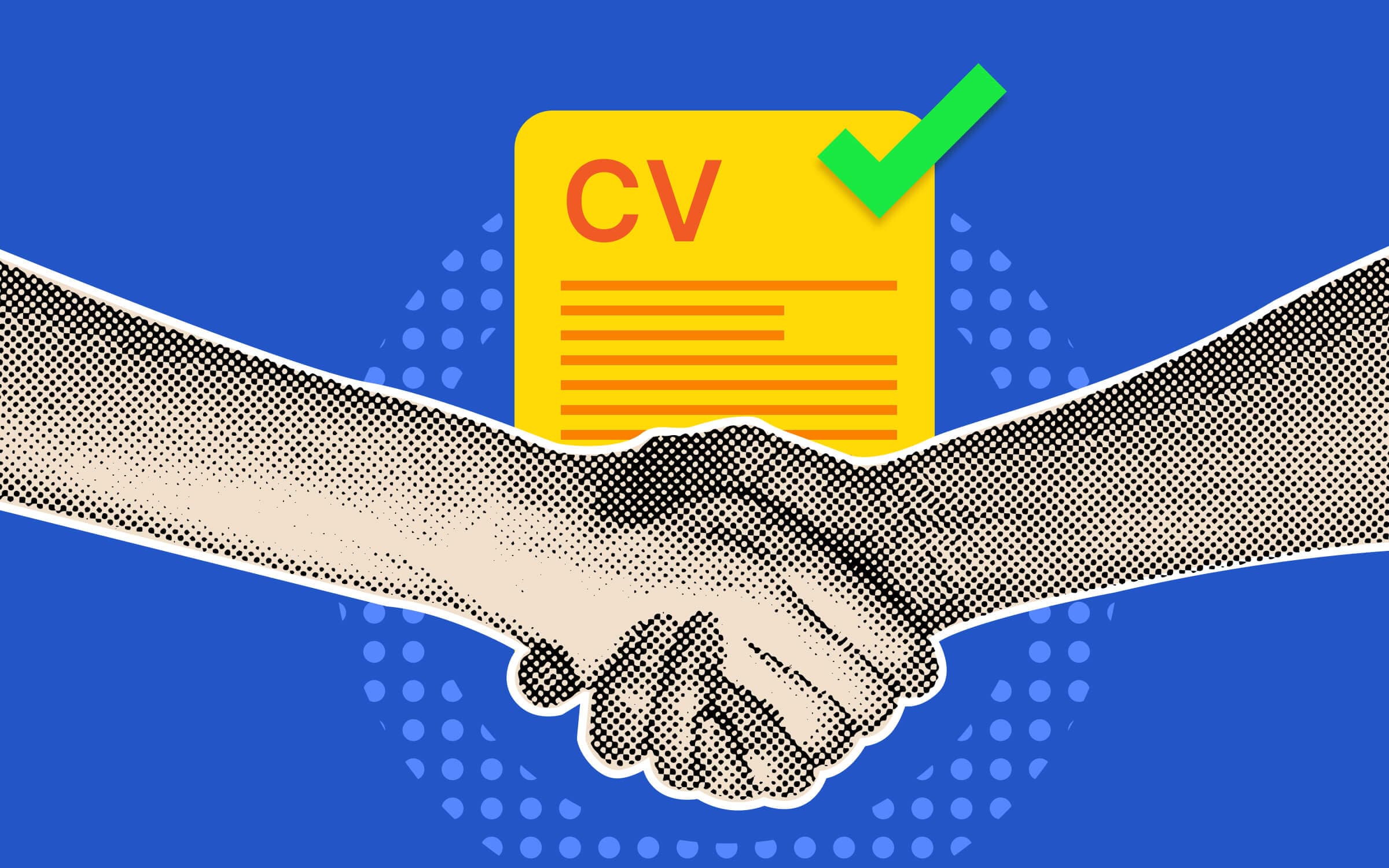
Skills-based hiring is rapidly becoming a core talent strategy as employers seek agility, speed and access to broader candidate pools in an era defined by AI, automation and constant reskilling. Yet despite this shift, formal degree requirements remain embedded in many job descriptions, often by default rather than design. A Harvard Business School study on degree requirements and middle-skill jobs found that employers frequently require degrees for roles that previously did not need them, limiting access to capable workers without improving performance outcomes. Meanwhile, LinkedIn research reports that skills-based hiring can expand candidate pools by as much as 10 times while improving diversity and retention when implemented thoughtfully. The question facing leaders is not whether skills matter—they do—but whether degrees still serve a meaningful screening purpose, and what happens when organizations overcorrect in either direction. Members of the Senior Executive HR Think Tank—a curated group of senior HR leaders and practitioners—are grappling with this tension firsthand. Their collective experience spans talent acquisition, employee experience, DEI, workforce transformation and the application of AI in HR, giving them a front-row view into how hiring practices shape organizational performance and opportunity. Below, they weigh in on this debate and provide actionable tips for leaders working to find the best talent.

expert panel
In today’s workplace, burnout and disengagement have quietly become strategic business risks rather than isolated wellness concerns. The term quiet cracking—a state of gradual disengagement, mounting pressure and declining performance—has gained traction among HR and organizational leaders as a metric that precedes burnout and attrition. According to recent research, nearly half of employees globally report feeling burned out at work, highlighting the urgency of proactive measures for leaders and HR teams alike. The Senior Executive HR Think Tank—a curated group of experts in employee experience, talent acquisition, DEI, performance management and the evolving role of data and analytics in HR—note that tracking quiet cracking requires metrics and feedback loops that bridge sentiment, behavior and organizational performance. Below, they share how they are operationalizing well-being indicators, turning early signals into strategic interventions and equipping leaders to act before cracks widen into burnout or loss of talent.
expert panel
Longer job searches. Résumés increasingly written—or optimized—by artificial intelligence. AI-driven screening tools have contributed to skyrocketing application volumes while also increasing the risk of qualified candidates being filtered out prematurely, especially as generative AI fuels résumé inflation and keyword stuffing. At the same time, new AI-driven hiring platforms, credentials and even proposed job marketplaces from technology leaders promise to “fix” what’s broken in talent acquisition. For senior HR and business leaders, the question is no longer whether AI will influence hiring, but how much trust organizations should place in these tools—and at what cost. Members of the Senior Executive HR Think Tank have experience across industries in talent acquisition, employee experience, DEI, workforce analytics and the responsible use of AI in HR. Their experience reveals a consistent truth: AI can unlock measurable value, but only when paired with strong governance and human judgment. Below, they expand further on the issues at hand for HR professionals today and weigh in on whether AI-driven hiring platforms and credentialing systems are solving real problems—or simply shifting complexity to a new layer of the process.

expert panel
Diversity and inclusion aren’t just important talking points—they’re tied directly to organizational performance. In a 2025 survey, 81% of C-suite leaders said their organizations had seen a positive correlation between DEI programs and customer loyalty; 77% cited a positive correlation between DEI programs and financial performance. As workplaces navigate shifting employee expectations and sharper public scrutiny around equity and representation, leaders are recognizing that progress demands more than aspirational statements; it requires defined strategies, measurable outcomes and accountability at every level. As expectations rise, leaders are pressing for clarity: Which DEI strategies truly work, and how do you measure meaningful progress? Members of the Senior Executive HR Think Tank have a front-row view into what helps diversity and inclusion efforts gain traction—or fall flat. Below, five of them share how organizations can move beyond performative approaches and build DEI practices rooted in employee experience, leadership commitment and data-driven evaluation.
expert panel
In the world of talent acquisition and technical hiring, a seismic shift is quietly underway. Earlier this year, Meta announced it is piloting a new kind of coding interview: one in which candidates may use AI assistants during the process. According to a report in Wired, Meta states it “is developing a new type of coding interview in which candidates have access to an AI assistant. This is more representative of the developer environment that our future employees will work in, and also makes LLM-based cheating less effective.” Meanwhile, companies like Anthropic have changed their minds about AI use during hiring, and Google will be adding in-person interviews back in their process as a reaction to AI-assisted cheating. These developments all raise provocative questions for senior HR and talent leaders: Should companies shift to evaluating candidates based on how effectively they can work with AI rather than solely on how they perform without it? And if so, how should hiring, assessment and performance metrics evolve accordingly? The Senior Executive HR Think Tank—a curated group of senior leaders in employee experience, talent acquisition, DEI, performance management and AI in HR—is watching this shift closely. Below, they examine how this trend may reshape hiring practices and offer actionable strategies for implementation.









Company details
Global Curiosity Institute
Company bio
The Global Curiosity Institute is on a mission to empower individuals, organizations, and society to unlock their full potential through a relentless pursuit of learning, discovery, and innovation. We do this by researching workplace curiosity and working with companies to build cultures of intentional curiosity through the use of proprietary diagnostics, research and thought leadership, tailored workshops and networking.