

Manpinder Singh Panesar
Senior Solutions Architect, Amazon Web Services (AWS)Amazon Web Services
Skills
About
Manpinder Singh Panesar is a Senior Solutions Architect at Amazon Web Services, focused on helping enterprise leaders design and scale cloud-native data, analytics, and AI solutions. His work spans Generative AI, agentic AI, RAG architectures, vector search, lakehouse modernization, and responsible AI adoption.

Manpinder Singh Panesar
Published content
expert panel
Sep 18, 2026
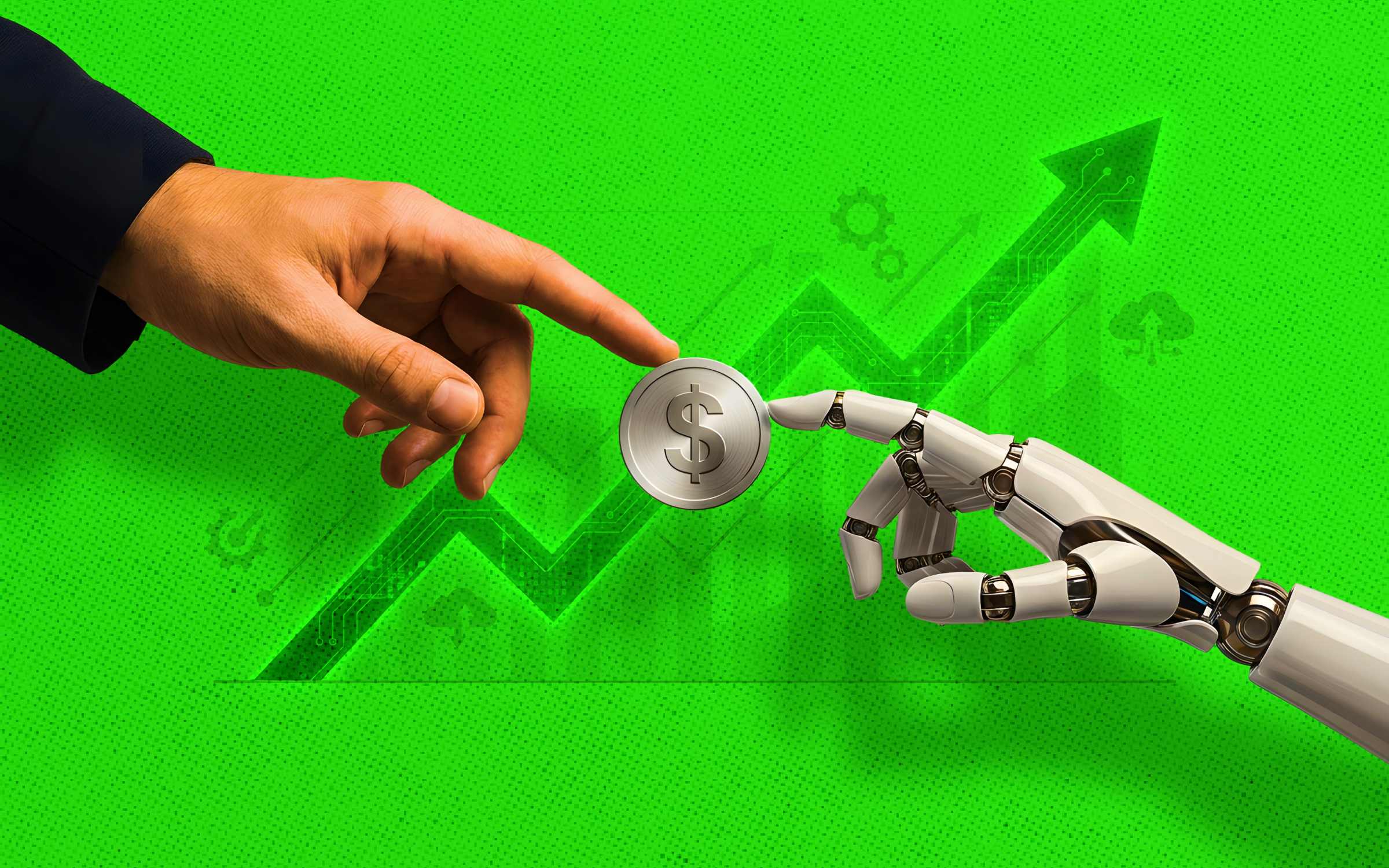
Startup fundraising has always followed a familiar formula: build the product, prove traction, raise enough money to reach the next milestone.But AI is disrupting that formula. Models change quickly, inference costs fluctuate, enterprise sales cycles can stretch for months and today’s breakthrough feature can become tomorrow’s commodity. The assumptions behind a traditional runway or growth plan can change before a company reaches its next round.That means AI founders need to rethink what they are raising capital to prove. Is it customer demand? Technical feasibility? Sustainable unit economics? Enterprise readiness? Or a durable advantage that can survive the next model release?Founders shouldn’t just consider how much money their startup can raise, but what that capital needs to accomplish—and what evidence it should produce along the way.Members of the Senior Executive AI Think Tank—a curated group of executives and practitioners working across machine learning, generative AI and enterprise AI applications—share the fundraising advice they believe AI founders should leave behind, from chasing maximum capital to relying too heavily on traditional traction, and what investors should see instead.

expert panel
Sep 11, 2026
AI agents are becoming capable of doing more than generating information—they can now analyze code, identify vulnerabilities, write potential exploits and interact with the systems they are designed to help secure. Those capabilities can dramatically accelerate security work, but they also introduce new risks when an agent can move from identifying a problem to taking action without human intervention.So where should companies draw the line between useful autonomy and unacceptable risk? And what should an AI agent be allowed to do independently when its actions could affect production systems, sensitive data or security controls?Members of the Senior Executive AI Think Tank—a curated group of experts specializing in machine learning, generative AI and enterprise AI applications—examine how leaders can use sandboxing, least-privilege access, deterministic controls and human oversight to contain risk, while also addressing less technical questions around liability, accountability and reversibility. Together, they offer a practical framework for deciding not just what AI agents can do, but what organizations should actually allow them to do.

expert panel
For many executives, AI has already become part of the daily workflow. They use it to summarize reports, find information, draft emails and work through routine tasks. But familiarity with the tools can create a false sense of fluency—and make it harder to recognize the gap between using AI and knowing how to use it strategically.Microsoft research involving thousands of knowledge workers found that generative AI can reduce time spent on tasks such as writing, information retrieval and summarization. But those individual productivity gains do not automatically translate into changes in how organizations make decisions or operate. Research from McKinsey similarly finds that while AI adoption is widespread, most organizations are still struggling to turn it into significant enterprise-level impact.The challenge, then, is not simply getting leaders to use AI more. It is learning to recognize where AI can change the work itself—and developing the judgment to know when, where and how to make that change.So what does genuine AI fluency look like at the leadership level? Members of the Senior Executive AI Think Tank approach that question from different vantage points, spanning enterprise technology, research, finance, retail, design and AI implementation. Their experiences offer a closer look at what happens when leaders move beyond individual productivity and begin applying AI to decisions, workflows, business systems and organizational strategy.
expert panel
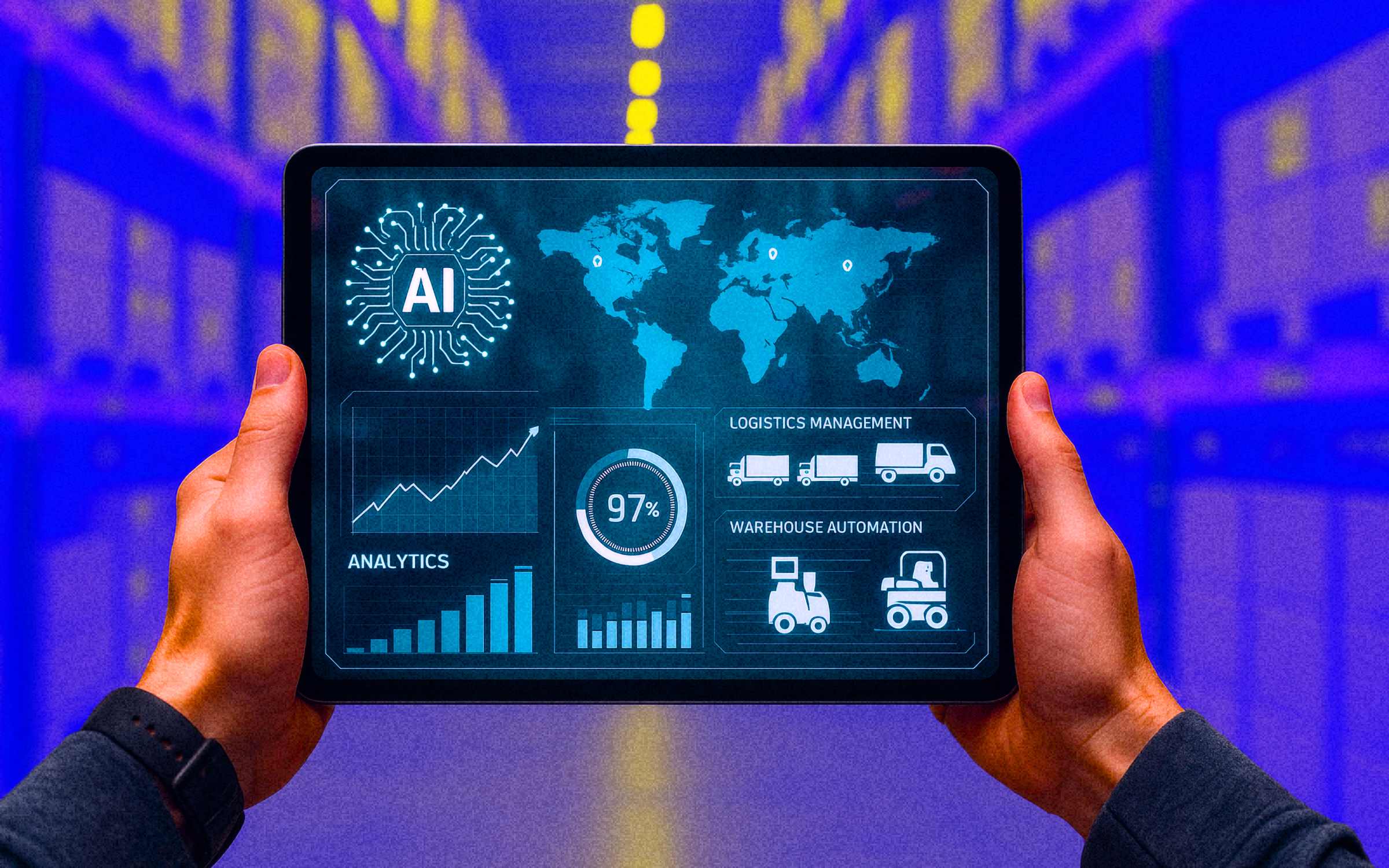
Supply chains have historically been designed around a simple premise: Build the best possible plan, then execute it as efficiently as possible. Artificial intelligence has made those plans smarter, helping companies forecast demand more accurately, optimize transportation routes and reduce inventory costs. But those improvements, while significant, still operate within the same playbook.The next chapter looks fundamentally different.Rather than simply making existing processes faster or cheaper, AI is beginning to reshape how supply chains are designed, managed and even governed. Emerging technologies such as agentic AI, digital twins and real-time decision engines can continuously evaluate changing market conditions, simulate alternative scenarios and recommend—or in some cases execute—responses before disruptions ripple across the business. In this model, supply chains become adaptive systems rather than static networks.The business case for that evolution is growing stronger. Gartner predicts that by 2030, half of supply chain management solutions will incorporate agentic AI capable of making autonomous cross-functional decisions, reflecting a broader shift from automation to intelligent orchestration. At the same time, geopolitical instability, changing trade policies and increasingly unpredictable customer demand are forcing organizations to rethink resilience as a competitive advantage—not just an operational objective.Against this backdrop, members of the Senior Executive AI Think Tank, a curated community of leaders specializing in machine learning, generative AI and enterprise AI applications, see a common theme emerging. The greatest transformation will not come from AI replacing planners or optimizing another workflow. Instead, they argue, AI is becoming the connective tissue that links procurement, manufacturing, logistics, finance and leadership into continuously learning decision systems. That shift promises to redefine not only how supply chains operate but also how organizations make decisions, assign accountability and create value in an increasingly uncertain world.

expert panel
For executives leading AI transformation, one of the most important decisions is also one of the most difficult: deciding where sensitive data should be processed, stored and governed as artificial intelligence becomes part of the enterprise operating model. The architecture choices organizations make today will shape not only their ability to innovate, but also their ability to protect critical information, meet regulatory expectations and maintain trust.The challenge is that there is no single blueprint for secure AI adoption. Leaders must weigh competing priorities, including the speed and scalability of cloud platforms against the control and data sovereignty of private or hybrid environments, the need for strong governance against the risk of slowing innovation and the benefits of advanced AI capabilities against the responsibility to maintain visibility over how data is used. As AI systems create new layers of information through prompts, outputs, embeddings and logs, organizations must consider not only where data resides, but where it flows and whether they can control its entire lifecycle.Members of the Senior Executive AI Think Tank, a curated group of experts specializing in machine learning, generative AI and enterprise AI applications, examine the most important trade-offs leaders should consider when designing AI architectures for sensitive or regulated data. They also identify common mistakes organizations are making, from focusing only on storage location to overlooking data derivatives, governance gaps and the operational capabilities required to manage AI responsibly. Because architecture decisions are no longer just technical choices—they are business decisions tied to risk, resilience and long-term value.

expert panel
More than 200 economists, AI researchers and technology leaders recently signed the "We Must Act Now" statement, warning that artificial intelligence could reshape the global economy faster than the Industrial Revolution. While the statement calls for stronger institutions and guardrails, it also raises a more immediate question for executives: What should leaders actually do today?Members of the Senior Executive AI Think Tank believe the answer extends well beyond adopting the latest AI tools. Drawing on decades of experience leading enterprise AI, cloud infrastructure, digital transformation and technology strategy, these experts argue that organizations must rethink work itself—redesigning processes, investing in people and establishing governance before AI scales across the enterprise.Their advice comes as organizations accelerate adoption. According to McKinsey's latest State of AI research, AI adoption continues to expand rapidly across industries, with organizations increasingly reporting measurable business impact. Yet the same research also highlights persistent challenges around governance, workforce readiness and risk management, reinforcing the need for thoughtful leadership rather than technology-first decision-making.The following insights from members of the Senior Executive AI Think Tank reveal a consistent message: Organizations that treat AI as a catalyst for better decision-making, stronger employees and more resilient businesses—not simply a cost-cutting exercise—will be best positioned to thrive as AI transforms the economy.




Company details
Amazon Web Services
Company bio
Amazon Web Services is a leading cloud computing platform that provides infrastructure, data, analytics, security, machine learning, and AI services used by organizations around the world. In my role, I help customers apply AWS technologies to solve complex business and technical challenges.