

Skills
About
Paul L. Gunn Jr. is Founder of Signal & Anomaly and Founder of KUOG Corporation. He has built a career spanning procurement, logistics, supply chain, and complex operational environments across Aerospace & Defense and global markets. His experience includes leading cross-functional teams across Asia, Europe, the Middle East, and North America while advising organizations navigating operational complexity, execution challenges, and strategic decision environments. He is a USA Today and Wall Street Journal best-selling author known for his perspectives on leadership, judgment, and business under pressure.

Paul L. Gunn Jr.
Published content

expert panel
AI can generate dozens of campaign ideas in seconds. But knowing which are worth pursuing—and investing in—takes more than machine speed. With AI use in marketing at U.S. companies more than doubling in just two years, the distinction between using the technology and using it well is becoming increasingly important.That shift may also change who on a marketing team is best positioned to contribute. Marketers who lack AI fluency risk falling behind, while those who rely too heavily on the technology may never develop the customer insight, creative instincts and critical thinking needed to judge what it produces. The 2025 AMA Marketing Skills Report, based on a survey of more than 1,200 marketers, reflects this balance: Respondents ranked generative AI as the top future skill, yet the report emphasizes that human skills such as communication, innovation and adaptability remain essential. The consequences of falling behind on AI—or failing to focus on fundamental human skills—can extend beyond individual skill gaps and lead to ineffective campaigns, misguided investments and messaging that erodes customer trust. Below, members of the Senior Executive CMO Think Tank draw on their marketing expertise and leadership experience to share practical strategies for developing AI-fluent marketers who can think independently, exercise sound judgment and uphold the standards that protect their brands.

expert panel
Companies refresh their brands for plenty of legitimate reasons: The business may have evolved, its audience may have changed or its identity may no longer reflect its products, positioning or ambitions. Changes in markets, business models, acquisitions or target audiences can create a gap between what a company has become and what its brand still communicates.Still, even a well-founded refresh can go wrong. The most visible risk is backlash when customers feel a company has discarded or even disrespected something they valued about the old brand. But there’s another, quieter risk, too: In the push to look current, a company can strip away the visual cues, language, personality and positioning that made its brand recognizable, leaving behind something polished but generic and harder to distinguish from competitors. For example, the streamlined, sleeker logo briefly introduced by Cracker Barrel in 2025 got pushback from customers and commentators who described it as “soulless,” “bland,” and “generic.”So how can CMOs modernize a brand without alienating the people who already value it or stripping away the qualities that set it apart? Below, members of the Senior Executive CMO Think Tank share what separates a strong brand refresh from a forgettable one—and what marketing leaders should protect most carefully as a brand evolves.

expert panel
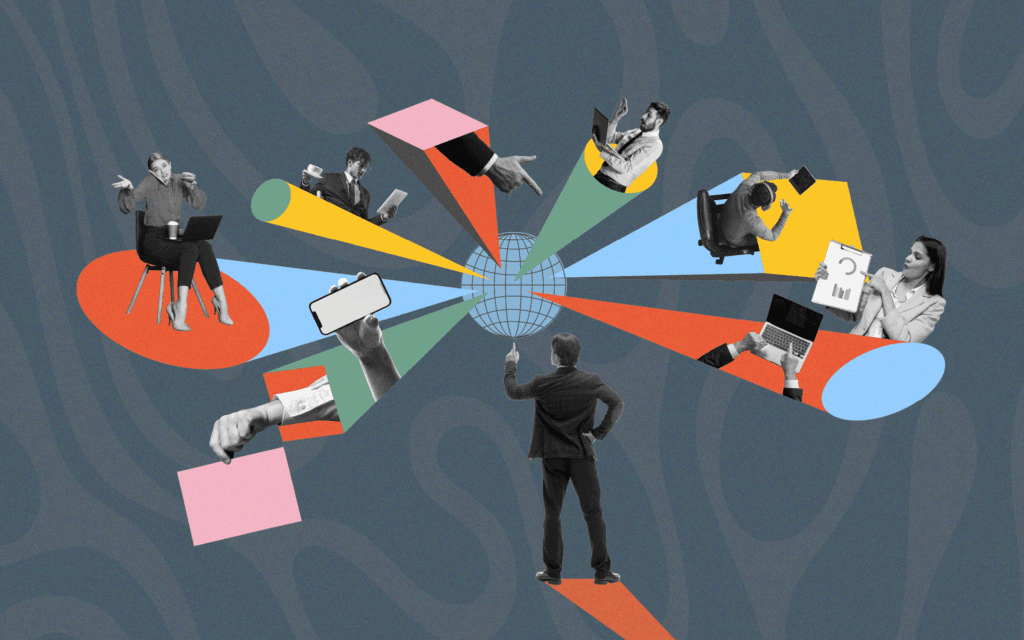
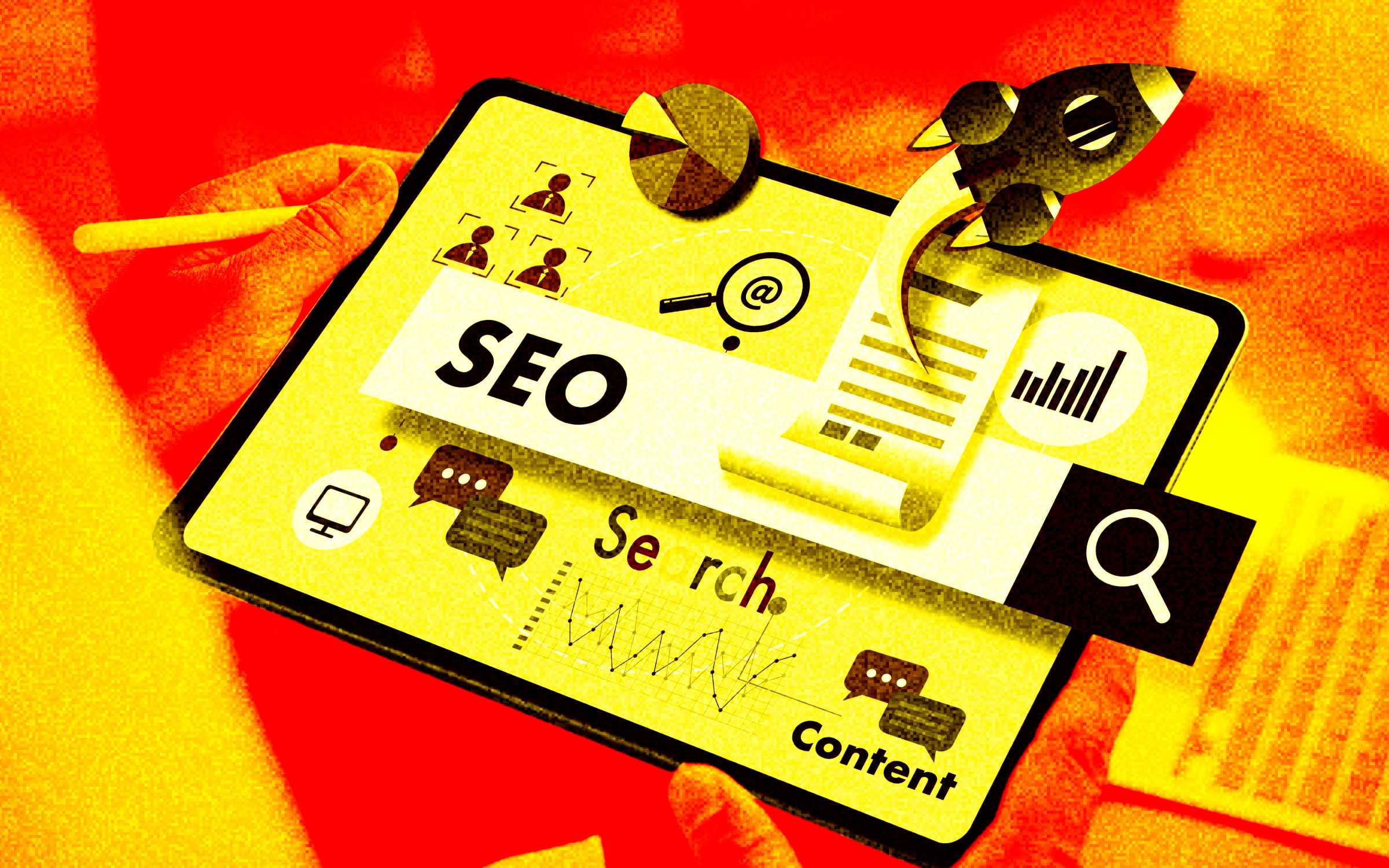
For years, search strategy largely revolved around earning a prominent place in a list of links. AI-generated answers are changing the front door to search: A 2026 Pew Research Center survey found that 60% of U.S. adults say they read the AI summaries at the top of search results, and about four in 10 say they use AI chatbots to search for information. For CMOs, that shift raises a bigger question than where a brand ranks: What will people learn about the company when an AI system assembles the answer for them?That question sits at the center of answer engine optimization, or AEO, the practice of making a brand’s information easy for AI systems to find, trust and cite. These systems rarely rely on a single page. Google explains that AI Overviews and AI Mode can run multiple related searches across subtopics and data sources, identifying supporting web pages as they build a response. As a result, an answer about a company may draw not only on its website but also on news coverage, analyst commentary, reviews and other third-party sources. A polished corporate website establishes what a company says about itself, but in an AI-driven search environment, that story has to be corroborated elsewhere.That puts owned media (the channels a company controls) and earned media (the coverage and endorsements it has to win) on the same team. The challenge for CMOs is to keep core facts, claims and positioning consistent across both so AI systems encounter a coherent picture without forcing every channel to sound exactly the same. Below, members of the Senior Executive CMO Think Tank, a curated group of leaders with expertise in brand storytelling, digital advertising and the rise of AI in marketing, explore how to bring owned and earned media together to strengthen the authority, consistency and trust brands need in an answer-driven search environment.
expert panel
Internal communication is easy to treat as a housekeeping function—something that happens after leadership has made the real decisions. But the way those decisions are explained can shape whether employees understand the direction, trust the people setting it and know what their own role is. According to a spring 2026 survey by Gallup, employees who strongly agree they trust their organization’s leadership are 3.7 times as likely to be engaged, yet just 20% of U.S. employees place themselves in that group.Those numbers suggest that successful internal communication is about more than just getting information out in a timely fashion. And there’s evidence leadership teams in many organizations are struggling to convey their plans and perceptions about the current environment and their vision of the path forward. The American Psychological Association’s 2025 Work in America survey found that upper management consistently reported more positive views of organizational change and their work experience than frontline workers and individual contributors did. Bridging that gap requires leaders to understand how employees are actually experiencing change, then frame their messages so they’re received and understood as intended.Marketing leaders spend their days translating complex ideas into messages that work for distinct audiences, so they’re well positioned to spot communication problems inside the business, too. Below, members of the Senior Executive CMO Think Tank, with expertise spanning brand storytelling, customer engagement, digital marketing and more, share internal communication mistakes business leaders should address and how marketing expertise can help.

expert panel
For many products and services, cost consciousness is changing what buyers need to hear before they’re willing to spend. U.S. consumers are trimming nonessential purchases and spending less on individual shopping trips as financial pressures persist, while businesses are scrutinizing purchases more closely and looking for more ways to control costs. Across consumer and B2B markets, that creates a challenge for brands: convincing buyers that their offerings are still worth making room for in a tighter budget.For marketers, the answer isn’t necessarily to make the price lower. Campaigns have to acknowledge real financial pressure while giving buyers a compelling reason to believe a purchase is worth making—and communicate value without turning discounts into the brand’s strongest selling point or giving customers a reason to hold off until the next promotion.The right campaign approach can strengthen confidence in the purchase while preserving the value customers associate with the brand over time. Drawing on expertise in brand strategy, digital advertising and customer engagement, members of the Senior Executive CMO Think Tank share strategies for reaching cost-conscious buyers without sacrificing long-term brand value.

expert panel
For years, search marketing has been built around a familiar goal: earn enough visibility to get a customer to click. AI-generated search results are changing that equation. For example, a 2025 analysis found that Google users clicked traditional search results in just 8% of visits when an AI summary appeared, compared with 15% when it didn’t—suggesting brands may have fewer opportunities to speak for themselves on their own turf.When an AI system becomes the layer between a company and a prospective customer, brand reputation isn’t shaped only by what the company publishes. The system may synthesize information from a range of sources, and that synthesis isn’t guaranteed to be accurate. Widespread problems, from speculative answers to fabricated links, have been found with the ways generative search tools retrieved and cited source material. For CMOs, that makes the broader information ecosystem surrounding a brand a more immediate marketing concern, since an incomplete, outdated or inaccurate answer can influence perception before a customer ever reaches the company’s website—if they reach it at all.As AI changes how customers discover and evaluate companies, marketing leaders need to rethink what it takes to earn authority when they may not control the first—and sometimes only—description a buyer sees. Below, members of the Senior Executive CMO Think Tank, a curated group with expertise in brand storytelling, digital advertising and the rise of AI in marketing, discuss how CMOs can approach brand authority, message consistency and reputation in an AI-mediated search environment.







































Company details
Signal & Anomaly
Company bio
Signal & Anomaly is a strategic advisory focused on strategic judgment under complexity. The firm helps operators, investors, and leadership teams identify emerging operational, organizational, and decision-making conditions before pressure becomes financially or operationally visible. Its work centers on operational coherence, risk interpretation, leadership visibility, and the signals that frequently emerge before reporting fully reflects changing conditions.