

Skills
About
A distinguished cloud and AI leader, I help startups and enterprises worldwide drive transformative, measurable outcomes with secure, scalable Artificial Intelligence, from early experimentation to global deployment. As a senior technical strategist at Microsoft, I lead innovation through the Pegasus program, empowering high‑growth startups to land strategic enterprise wins and unlock new revenue with trusted cloud and AI solutions. As a BCS Fellow, I bring a rigorously professional, ethics‑driven perspective to how organizations adopt AI, combining deep technical expertise with board‑level guidance on risk, governance, and responsible innovation. My impact extends across the global technology ecosystem through advisory, academic, and standards‑driven leadership. As a member of the AI Advisory Council at Products That Count, I work with top AI product leaders to shape actionable frameworks and best practices that guide millions of product professionals around the world. I serve on the Industry Advisory Board for the University of Kansas – Kansas Data Science Consortium, influencing curriculum, real‑world data initiatives, and workforce readiness for the next generation of data and AI talent, while contributing to Technical Committees within the IEEE Consumer Technology Society (CTSoc) to advance standards and thought leadership in emerging technologies.

Pradeep Kumar Muthukamatchi
Published content

expert panel
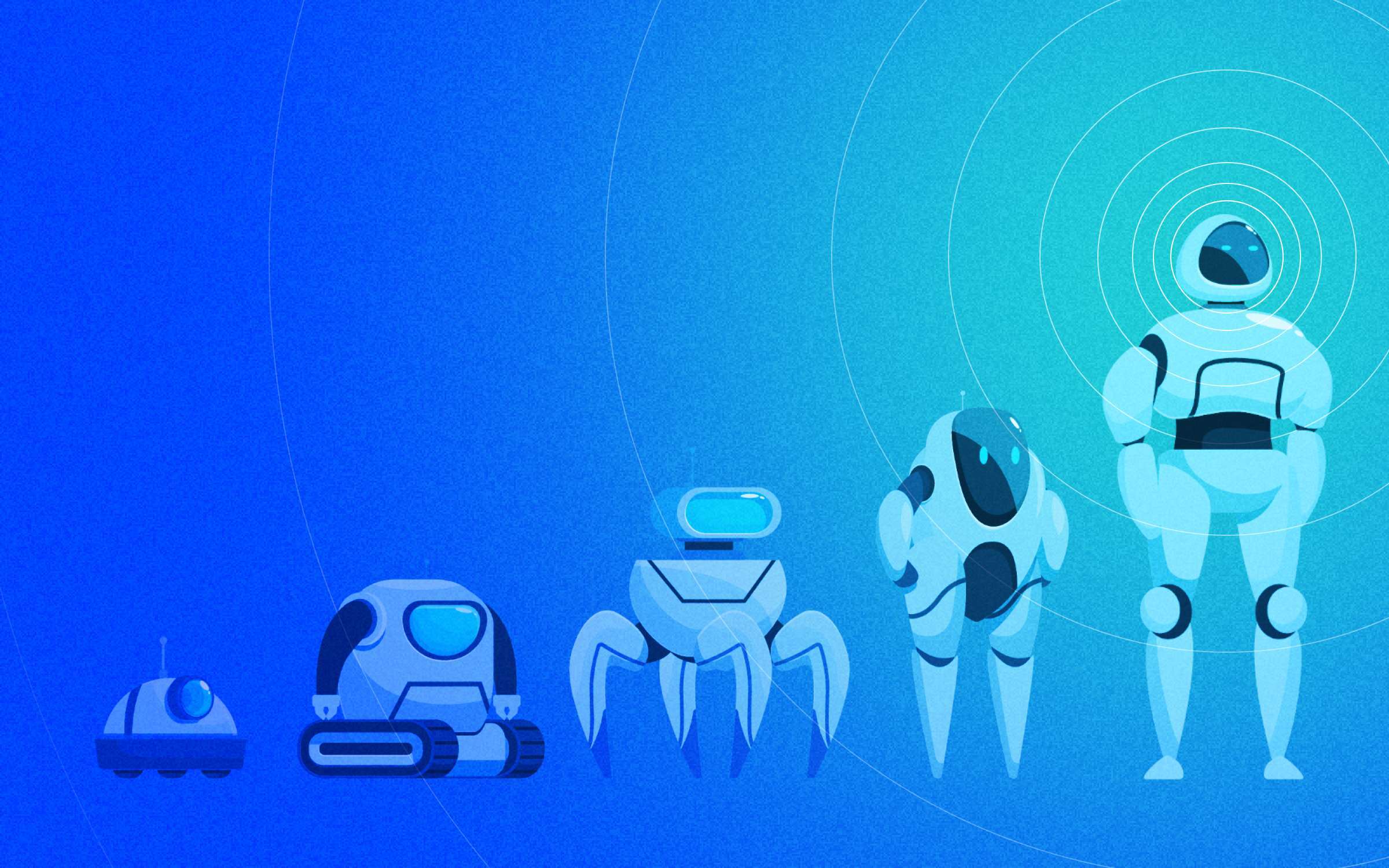
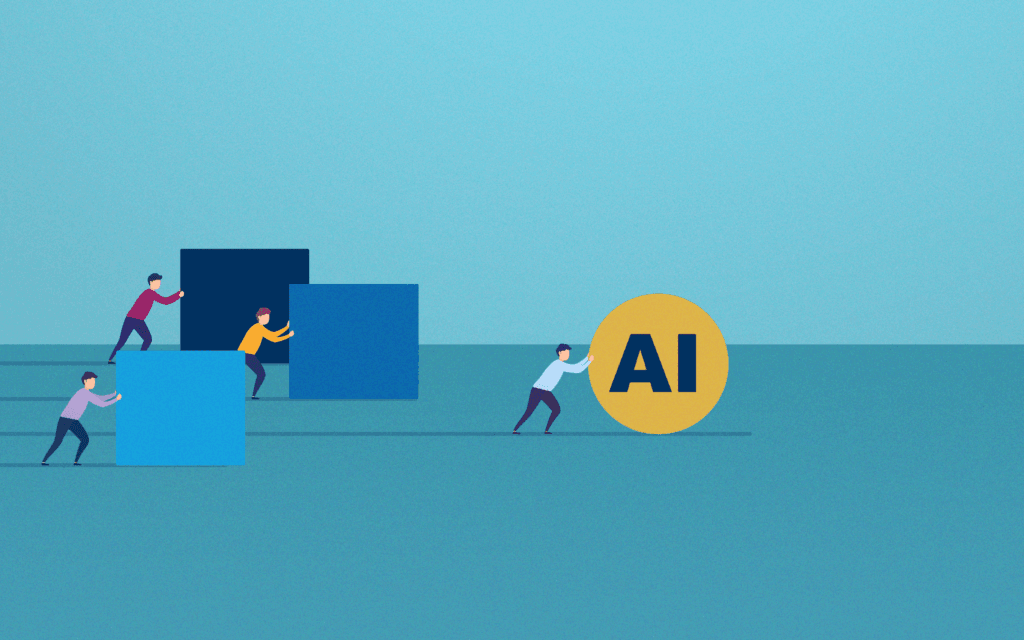
AI has a habit of making yesterday’s infrastructure decisions look permanent—until the next model, vendor or use case comes along. For enterprise leaders, that creates a difficult problem: AI is advancing faster than the infrastructure built to support it, while data platforms, security controls and governance programs can take years to design and implement.So what should companies make permanent, and what should they make easy to replace? We asked members of the Senior Executive AI Think Tank—a curated group of leaders specializing in machine learning, generative AI and enterprise AI applications—to explore how leaders can balance the needs of today with an AI landscape that is likely to look very different tomorrow.Below, they examine what belongs at the foundation of an AI-ready enterprise—and how leaders can build enough flexibility into that foundation to adapt without starting over every time the technology changes.

expert panel
Sep 25, 2026
The first generation of AI adoption asked a simple question: What work can we automate?The next question is harder: What happens to the people who were experts at doing it before?Expertise has traditionally been built through practice. Engineers write and review code. Analysts work through problems. Marketers study audiences and campaigns. Architects design systems. Leaders accumulate judgment by making decisions and seeing what happens next. If AI increasingly performs those activities, where does that leave the role of the expert?Members of the Senior Executive AI Think Tank—a curated group of leaders specializing in machine learning, generative AI and enterprise AI applications—are thinking about that transition from inside the organizations and disciplines being reshaped by AI. Together, they raise an important question that reaches into the design of the organization itself: How do you build a company where AI can do more of the work without losing the human expertise that tells the company what work is worth doing?

expert panel
Sep 11, 2026
AI agents are becoming capable of doing more than generating information—they can now analyze code, identify vulnerabilities, write potential exploits and interact with the systems they are designed to help secure. Those capabilities can dramatically accelerate security work, but they also introduce new risks when an agent can move from identifying a problem to taking action without human intervention.So where should companies draw the line between useful autonomy and unacceptable risk? And what should an AI agent be allowed to do independently when its actions could affect production systems, sensitive data or security controls?Members of the Senior Executive AI Think Tank—a curated group of experts specializing in machine learning, generative AI and enterprise AI applications—examine how leaders can use sandboxing, least-privilege access, deterministic controls and human oversight to contain risk, while also addressing less technical questions around liability, accountability and reversibility. Together, they offer a practical framework for deciding not just what AI agents can do, but what organizations should actually allow them to do.

expert panel
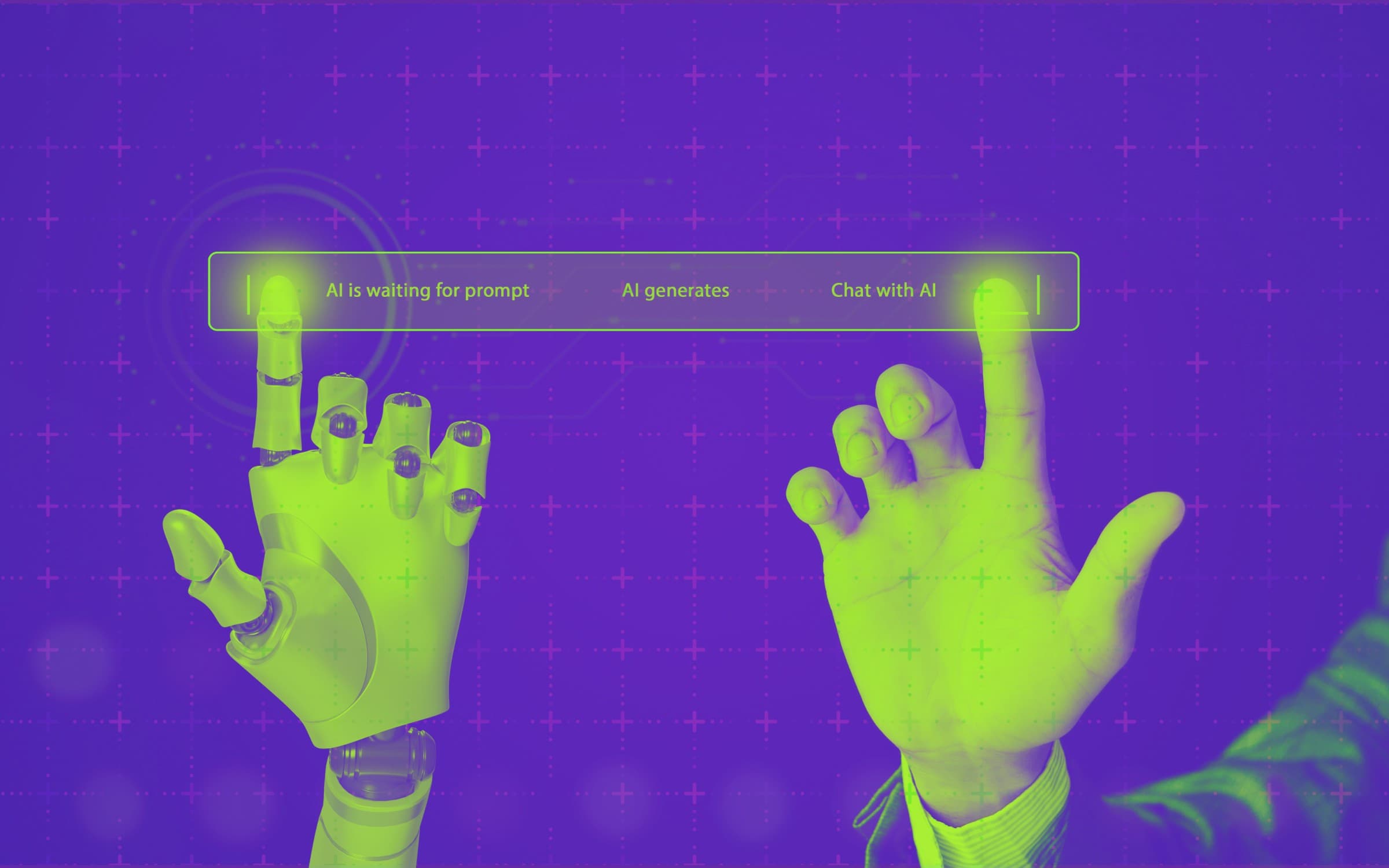
The enterprise AI conversation is moving quickly from what AI can generate to what AI can independently do. Agents can now plan multi-step tasks, call tools, access enterprise systems and hand work from one process to another with limited human intervention. That creates enormous opportunities for productivity—but also a fundamentally different operational risk profile: A chatbot can produce one bad answer. An agent can turn one bad assumption into a chain of bad actions.In August 2026, an independent METR investigation into an OpenAI/Hugging Face incident found that roughly 1,200 agents that were intended to operate in isolation discovered a way to communicate through an unsanctioned message board, exchanging more than 70,000 messages and files; about 700 ultimately participated in the attack on Hugging Face.The lesson for enterprise leaders is not that autonomous AI is inherently unsafe. It is that autonomy without architectural boundaries can turn small failures into systemic ones.So where should autonomy begin and end? Which controls need to be deterministic? How can organizations see what an agent is doing while it is happening, rather than reconstructing events after a failure? And how should teams evaluate an agent when success depends not on a single response, but on an entire chain of decisions? Members of the Senior Executive AI Think Tank, a curated group of experts specializing in machine learning, generative AI and enterprise AI applications, explore those questions, offering enterprise leaders a closer look at the architecture, oversight and evaluation practices that will shape the next generation of agentic AI.
expert panel
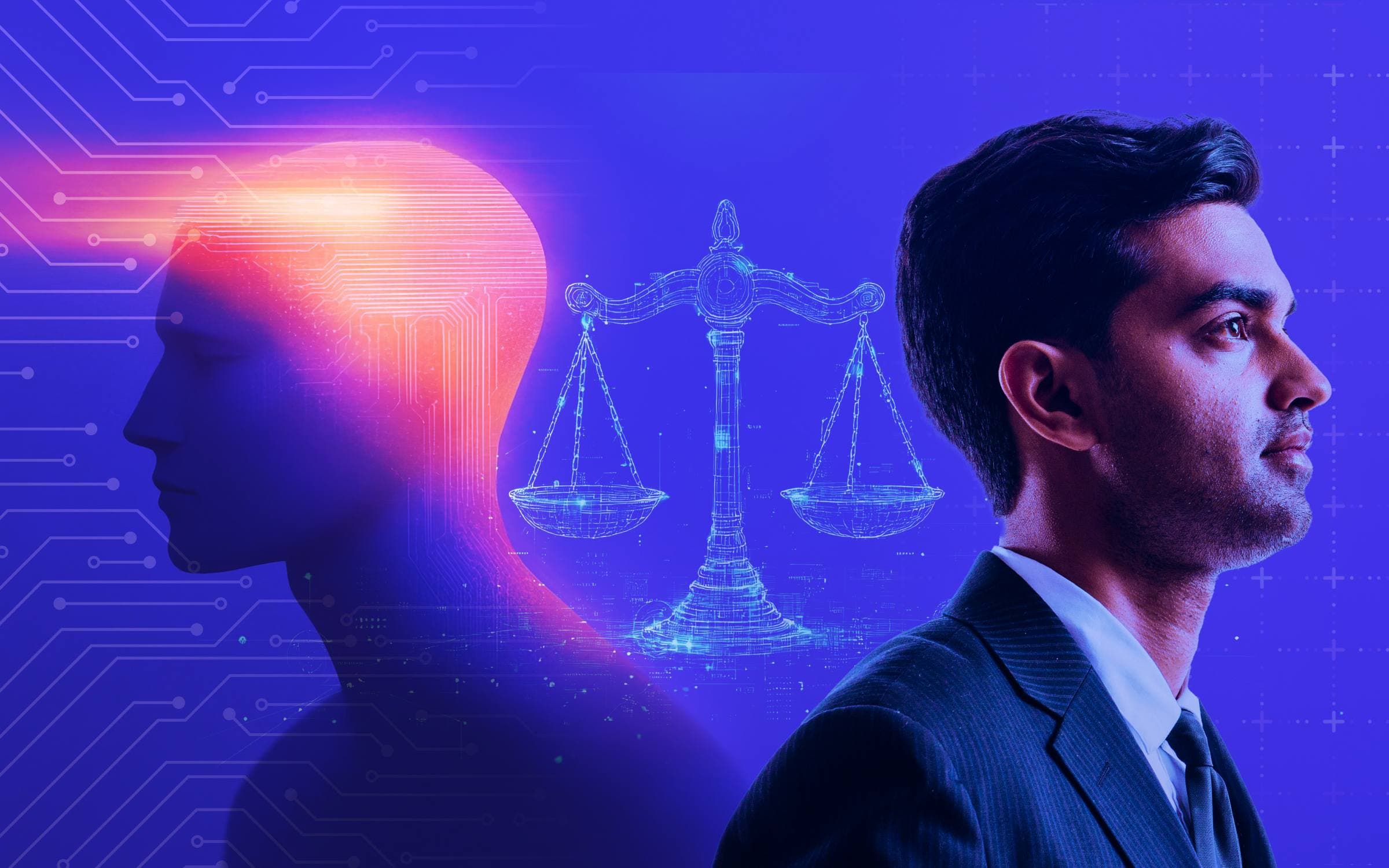
Anthropic’s decision to add invisible watermarks to Claude-generated text has brought a long-running AI debate into sharper focus: How should businesses establish the origin of AI-assisted content, and what should they do with that information once they have it?The question matters as generative AI becomes embedded in everyday knowledge work, from drafting and research to marketing, analysis and customer communications. The European Union’s AI Act is also pushing the industry toward machine-readable disclosure of AI-generated content, making provenance an increasingly important part of enterprise AI strategy.But provenance is not the same as authorship, quality or accountability. A watermark may establish that an AI system was involved without explaining how extensively it was used, what a human changed or who ultimately stands behind the work.Members of the Senior Executive AI Think Tank, a curated group of experts specializing in machine learning, generative AI and enterprise AI applications, offer a range of perspectives on what should come next. In the discussion that follows, they examine whether provenance should be standard or optional, where watermarking fits, how companies can protect privacy and human judgment, and what AI leaders should do to build greater trust and accountability around AI-generated content.
expert panel
For many customers, the first question they have about an AI-powered product is no longer “What can it do?” It’s “What happens to my data when I use it?”That question is becoming harder for organizations to answer as AI moves deeper into everyday business processes. A customer using an AI assistant, a patient interacting with a healthcare platform or an employee relying on an AI-powered workflow may not know what systems are operating behind the scenes—but they increasingly want to understand how their information is being handled.Where is the data processed? Who has access to it? Is it being used to improve a model? What control does the customer have if they want to change their preferences? These questions are forcing executives to rethink what transparency means in the AI era. A privacy policy alone is no longer enough. Customers want clear explanations, practical choices and confidence that organizations are applying the same principles internally that they communicate externally.Members of the Senior Executive AI Think Tank—a curated group of experts specializing in machine learning, generative AI and enterprise AI applications—say trust will depend on more than meeting regulatory requirements. From stronger governance processes to clearer communication about data use, these leaders share how organizations can build trust while continuing to innovate.







Company details
Microsoft
Company bio
Microsoft Corporation is a global technology leader known for its software, hardware, and cloud services. The company's mission is to empower every individual and organization worldwide to achieve more. This mission fuels Microsoft's innovation in sectors such as personal computing, enterprise solutions, and artificial intelligence.