

Dr. Robert Satterwhite
Published content
expert panel
As AI reshapes daily work and engagement hits historic lows, members of the Senior Executive HR Think Tank explain why purpose—not perks or productivity alone—is emerging as the defining competitive advantage for organizations competing to attract, retain and inspire talent.Work is changing faster than most organizations can keep up with. Roles are shifting, AI is taking over entire categories of tasks, and employee engagement is stuck near record lows. Amid all this, one quieter question is emerging as the key difference-maker between organizations that keep their best people and those that lose them: Why does this work matter?Members of the Senior Executive HR Think Tank, a curated group of experts specializing in human resources, agree that purpose is no longer a soft concern to address after salary negotiations. It is becoming the new point of distinction once pay, benefits and flexibility become table stakes.The numbers back them up. Only 31% of employees in the U.S. and Canada region were actively engaged as of early 2026, according to Gallup’s State of the Global Workplace report. While engagement has many causes, leaders increasingly point to a lack of connection between day-to-day work and organizational purpose as one of the biggest contributors.

expert panel
Members of the HR Think Tank share how organizations can communicate succession plans with greater transparency, fairness and trust—without creating internal competition, disengagement or political tension.Executive succession planning has become more visible—and more scrutinized—as organizations face leadership turnover, talent shortages and increased employee expectations around career growth. Recent SHRM reporting notes that succession planning is becoming increasingly urgent as organizations navigate leadership turnover, evolving workforce expectations and long-term talent continuity. Yet while most organizations recognize the importance of succession planning, many still struggle with how openly those plans should be communicated internally. Members of the Senior Executive HR Think Tank say the answer is not secrecy, but structured transparency. From clarifying leadership criteria to creating visible development pathways, these experts explain how organizations can communicate succession plans in ways that strengthen trust, reduce workplace friction and reinforce long-term business continuity.

expert panel
Members of the HR Think Tank explain what recent waves of executive turnover reveal about culture, accountability, leadership fit and organizational alignment—and what today’s C-suite leaders must do differently to build trust, resilience and long-term performance.Executive turnover has become one of the defining business stories of recent years. Across industries, organizations are replacing senior leaders at a pace that reflects more than market volatility or economic uncertainty. Increasingly, these departures point to deeper issues involving culture, leadership fit, accountability and organizational trust.A recent HR Executive report on record CEO turnover notes that boards are reevaluating not only who earns top leadership roles but also which leadership traits matter most during periods of uncertainty and transformation. Adaptability, cultural leadership and long-term organizational trust are taking priority alongside traditional executive credentials.For many organizations, the definition of effective leadership has evolved. Technical expertise and past performance still matter, but leaders are now also expected to navigate complexity, align teams around strategy and model values-based leadership under pressure. As companies navigate ongoing workplace transformation, executive turnover is becoming less about isolated leadership failures and more about broader organizational alignment and resilience.Members of the Senior Executive HR Think Tank bring firsthand experience to this conversation. These HR, leadership and culture experts work closely with organizations navigating executive transitions, talent strategy and workplace change. Their insights point to a clear conclusion: executive turnover is no longer just a governance issue. It is a leadership diagnostic.

expert panel
May 22, 2026
Members of the HR Think Tank share what they would eliminate if work could be rebuilt from scratch—from performative meetings and outdated performance reviews to rigid schedules and bureaucracy—and explain how organizations can design more productive, human-centered workplaces for the future.For decades, organizations have modernized technology faster than they have modernized work itself. Many companies now operate with advanced collaboration tools, AI-enabled systems and global talent networks, yet employees still navigate processes and expectations built for a far different era. Meetings dominate calendars. Email drives fragmented communication. Performance reviews often feel disconnected from development. Productivity is frequently measured by visibility rather than outcomes.That disconnect is becoming harder to ignore as leaders confront burnout, disengagement and shifting workforce expectations. Deloitte’s Global Human Capital Trends report highlights that organizations are increasingly being forced to rethink how work is designed as employees demand greater flexibility, purpose, sustainability and trust in the workplace.Members of the Senior Executive HR Think Tank, a collective of experienced HR leaders, strategists and workplace experts, realize the future of work will not be shaped merely by adding new tools to old systems. Instead, they believe organizations must eliminate outdated structures that quietly drain performance, trust and creativity. Their insights reveal a common theme: Many of the practices companies defend most aggressively may be the very ones holding people back.

expert panel
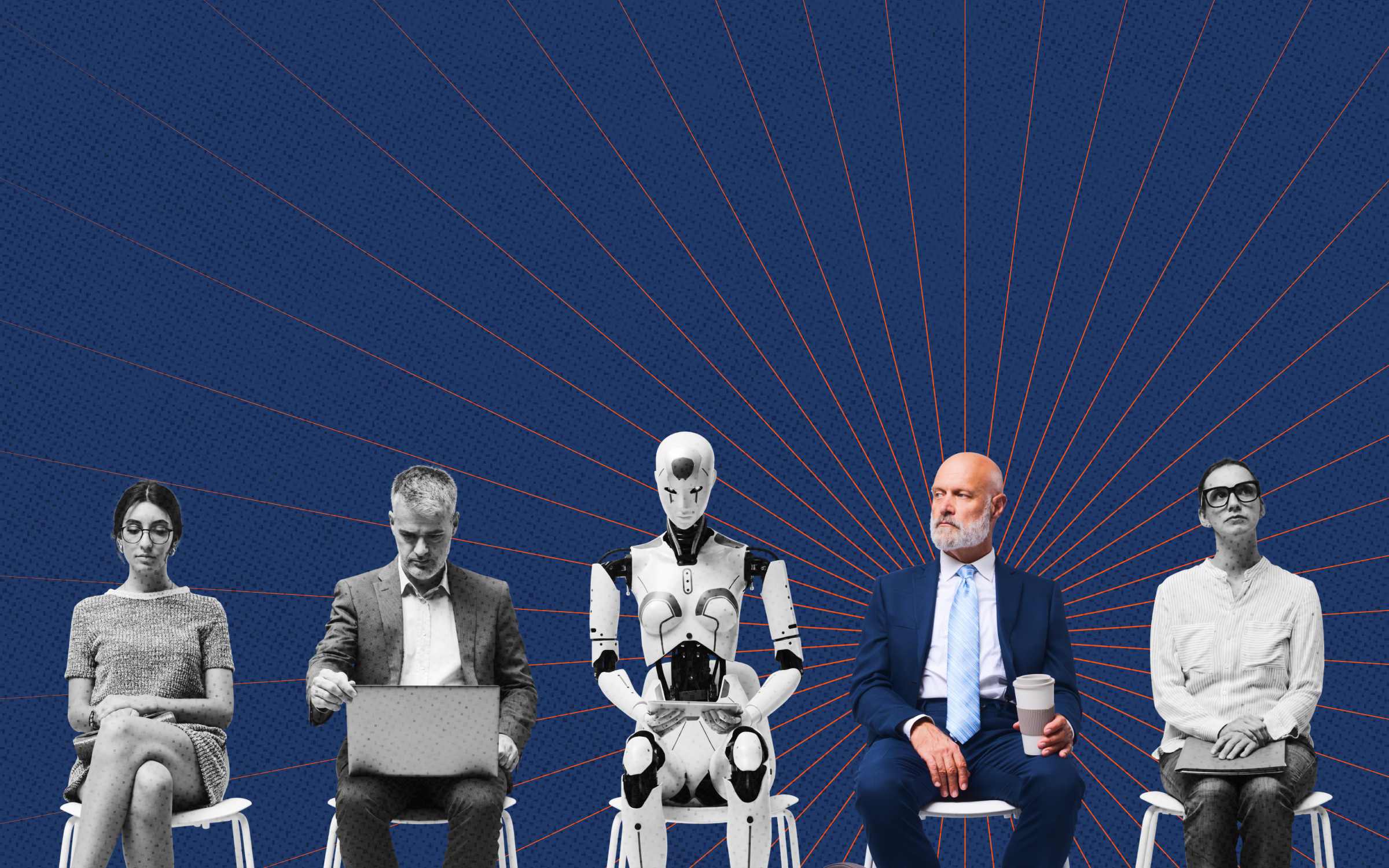
Leaders are under pressure to modernize their workforce while retaining critical institutional knowledge. Members of the HR Think Tank share how hiring models, AI and leadership strategies can ensure experienced professionals remain engaged, valued and central to long-term success. As organizations race to modernize in the age of AI, many are unintentionally sidelining one of their most valuable assets: experienced professionals. The push toward digital fluency and emerging skills has created new opportunities—but also new tensions—particularly for seasoned employees who may feel overlooked or pushed toward early retirement. Members of the Senior Executive HR Think Tank, a curated group of human resources leaders and advisors, are challenging this narrative. They contend that retaining experienced talent is not just a matter of fairness—it is a strategic imperative for long-term growth, leadership continuity and organizational resilience. Research reinforces this urgency. A 2025 Harvard Business Review analysis on age inclusion as a competitive advantage highlights how demographic shifts are forcing organizations to rethink how they engage and retain experienced professionals—or risk losing critical capabilities. To reverse this trend, organizations must rethink hiring practices, workforce planning and leadership development—shifting from a mindset of replacement to one of reinvestment.
expert panel
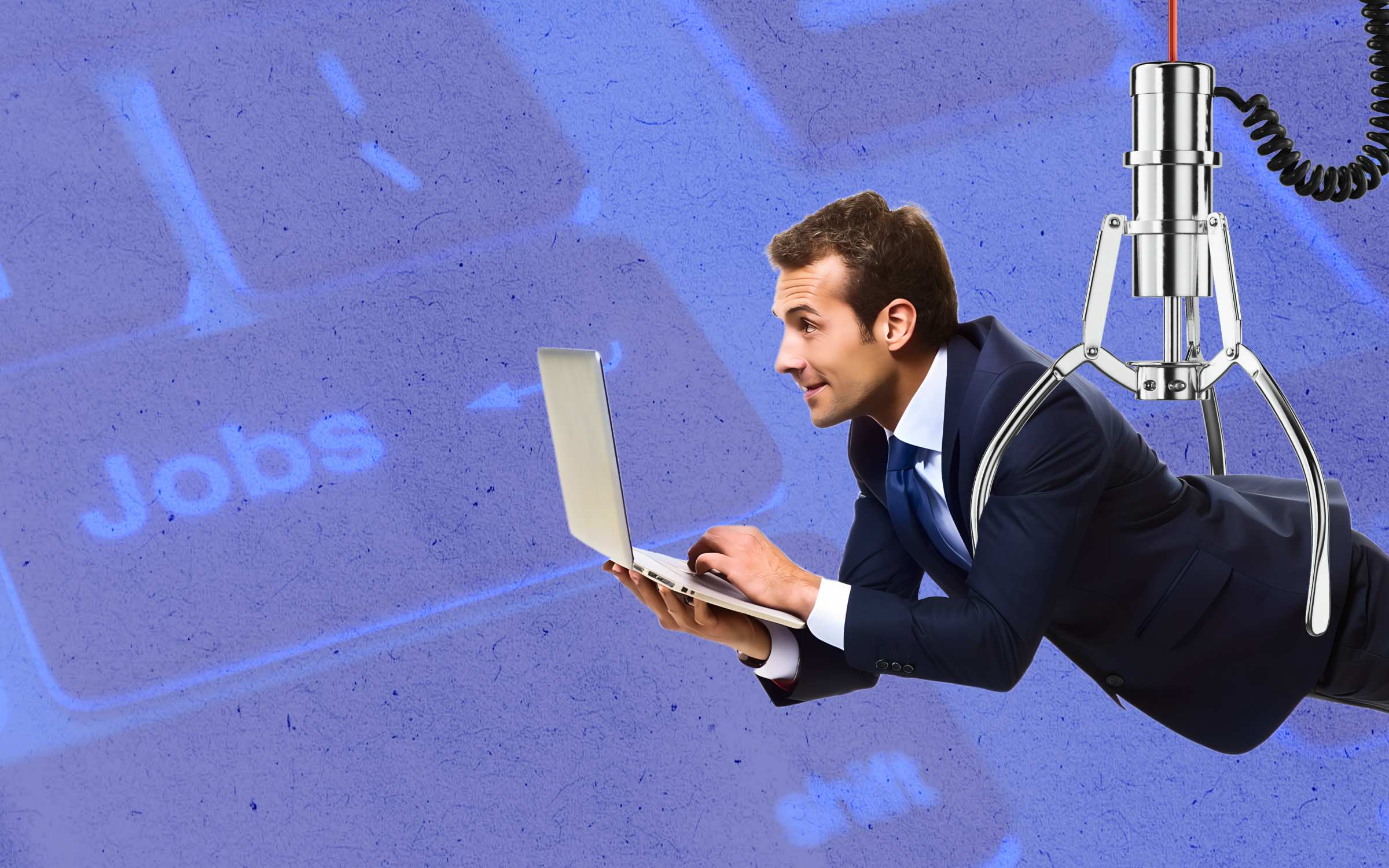
Artificial intelligence is rapidly transforming the hiring process. From résumé screening to predictive candidate matching, organizations are deploying AI-driven tools to improve efficiency and help HR teams manage unprecedented volumes of applications. Yet as these systems become more sophisticated, they also introduce new questions about fairness, transparency and accountability. Members of the Senior Executive HR Think Tank say organizations must balance speed with responsibility. AI can improve consistency and reduce manual workload, but without intentional governance and human oversight, it can also amplify existing biases embedded in data or hiring processes. The stakes are rising as adoption accelerates. According to a recent Harvard Business Review analysis of AI in hiring, the majority of large organizations now rely on some form of algorithmic screening, yet many still struggle to ensure these tools produce fair and consistent outcomes. While these technologies promise faster decision-making, they also highlight the need for HR leaders to ensure outcomes remain transparent and defensible. The experts in the HR Think Tank argue that the answer isn’t avoiding AI—it’s implementing it thoughtfully. By establishing clear governance structures, validating algorithms and maintaining strong human involvement, organizations can harness AI’s efficiency while preserving fairness and trust.



Company details
Odgers
Company bio
Odgers is an integrated leadership advisory firm providing expertise in executive and board search; interim executive search; leadership assessment, coaching, and development; board and team performance; and board and CEO strategic engagement.