Executive turnover has become one of the defining business stories of recent years. Across industries, organizations are replacing senior leaders at a pace that reflects more than market volatility or economic uncertainty. Increasingly, these departures point to deeper issues involving culture, leadership fit, accountability and organizational trust.
A recent HR Executive report on record CEO turnover notes that boards are reevaluating not only who earns top leadership roles but also which leadership traits matter most during periods of uncertainty and transformation. Adaptability, cultural leadership and long-term organizational trust are taking priority alongside traditional executive credentials.
For many organizations, the definition of effective leadership has evolved. Technical expertise and past performance still matter, but leaders are now also expected to navigate complexity, align teams around strategy and model values-based leadership under pressure. As companies navigate ongoing workplace transformation, executive turnover is becoming less about isolated leadership failures and more about broader organizational alignment and resilience.
Members of the Senior Executive HR Think Tank bring firsthand experience to this conversation. These HR, leadership and culture experts work closely with organizations navigating executive transitions, talent strategy and workplace change. Their insights point to a clear conclusion: executive turnover is no longer just a governance issue. It is a leadership diagnostic.
“Those leaders who fail to understand the why behind the way things work for a company, and use positional authority to implement change, often find themselves isolated, ineffective and at risk of a short tenure in the role.”

Cultural Alignment Is No Longer Optional
Lauren Francis, Founder and CEO of Mulberry Talent Partners, says one of the biggest drivers of executive turnover is cultural misalignment. As a recruiting strategist and talent acquisition leader who has facilitated more than 10,000 placements across her career, Francis has spent decades helping organizations evaluate leadership fit beyond credentials and résumés.
“A leading cause of executive turnover is cultural misalignment,” Francis says. “Whether this is misalignment with customers, distributors or employees, leaders need to understand a company’s history, culture and norms to work effectively to implement change.”
Her observation reflects a growing shift in how organizations evaluate executive success. Boards are increasingly recognizing that transformation efforts often fail when leaders attempt to impose change without first understanding institutional dynamics, workforce expectations or the cultural forces shaping decision-making.
Francis says successful leaders balance respect for organizational legacy with a clear vision for the future. “Those leaders who respectfully acknowledge the past while charting a new vision for the future often thrive at moving the company forward,” she says.
By contrast, executives who rely too heavily on positional authority can quickly become isolated. “Those leaders who fail to understand the why behind the way things work for a company, and use positional authority to implement change, often find themselves isolated, ineffective and at risk of a short tenure in the role,” Francis says.
The broader lesson for C-suite leaders is that credibility must be earned culturally, not just structurally. Executive authority alone no longer guarantees influence.
“Turnover at the top is often the result of misalignment that went unaddressed—between strategy and capability, between expectations and reality or between pace and capacity.”

Misalignment Problems Rarely Fix Themselves
Dr. Robert Satterwhite, Partner and Head of Leadership Advisory Practice of Odgers, believes executive turnover often stems from unresolved alignment gaps that organizations ignore for too long.
“Turnover at the top is often the result of misalignment that went unaddressed—between strategy and capability, between expectations and reality or between pace and capacity,” Satterwhite says.
His perspective highlights a recurring pattern in modern leadership failures. Organizations frequently focus on performance outcomes without examining whether leaders have the resources, operating conditions or organizational clarity needed to succeed.
Recent executive exits across major enterprises also highlight how rapidly leadership expectations can shift during digital transformation efforts. For example, CIO Dive recently reported on the departure of Sysco’s chief information and digital officer amid ongoing operational and technological changes, underscoring how executive roles increasingly operate under constant strategic pressure and evolving organizational demands. When expectations remain vague or unrealistic, executive instability becomes more likely.
Satterwhite calls on organizations to normalize difficult conversations earlier rather than waiting for visible failure. “The lesson here is don’t wait for results to force the conversation,” he says. “Make alignment explicit early, revisit it often and be honest about gaps and their potential remediation.”
He also emphasizes the importance of continuous feedback loops rather than annual evaluations that surface problems too late to address effectively. “Pair that with real-time feedback versus annual surprises,” Satterwhite says.
The lesson for C-suite leaders is that executive success depends as much on organizational alignment systems as individual capability. Transparency, expectation management, and consistent communication are increasingly essential components of leadership infrastructure.
Context Matters More Than Prestige
Dr. Jonathan H. Westover, Educator, Futurist, Entrepreneur, Associate Dean of Western Governors University, Founder and CEO of Human Capital Innovations and Chief Workforce and Learning Officer of Future State University, says organizations are increasingly learning that leadership success depends heavily on context.
“Cultural misalignment kills tenures faster than performance issues,” Westover says. “Executives hired for past success often fail when the playbook doesn’t transfer.”
That distinction has become increasingly important as companies recruit leaders during periods of uncertainty, restructuring and transformation. Organizations often prioritize high-profile résumés or past growth achievements without fully evaluating whether those experiences match current business realities.
That challenge is becoming increasingly visible in leadership pipelines. A recent Harvard Business Review analysis of how executives reach the C-suite in S&P 500 companies found that boards are increasingly scrutinizing leadership adaptability, operational range and situational fit rather than relying exclusively on conventional executive career paths or marquee credentials.
Westover believes that boards are beginning to rethink what leadership fit actually means. “Boards now realize that a ‘proven leader’ matters less than the ‘right leader for this moment,’” he says.
“The lesson: Be brutally honest about what you actually need versus what sounds impressive,” Westover says. “A rockstar from a high-growth company may flounder in turnaround mode.”
Westover boldly addresses another growing issue tied to executive turnover: performative leadership appointments that fail to distribute real authority. “Token diversity hires without real power inevitably backfire,” he says. “Give leaders actual authority or don’t hire them at all.”
That warning reflects general workplace conversations around leadership inclusion and governance accountability. Increasingly, organizations are being evaluated not just on representation at the executive level but on whether leaders are empowered to influence strategy and decision-making more meaningfully.
Fear-Based Cultures Eventually Break Leadership
Britton Bloch, VP, Global Talent Acquisition Strategy and Head of Recruiting at Navy Federal Credit Union, says recent executive turnover trends reveal the long-term weakness of fear-based performance cultures.
“Recent executive turnover teaches C-suite leaders that performance without belonging is brittle,” Bloch says. Her observation comes as many organizations reevaluate management systems that prioritize competition and pressure over trust, collaboration and workforce sustainability. While aggressive performance models may produce short-term gains, they often create environments that contribute to burnout, disengagement and leadership instability over time.
Bloch specifically challenges forced ranking systems that reward internal competition. “The lesson is to stop mistaking forced distribution for rigor,” she says. “Stack-ranking may create short-term sorting, but it often rewards fear, internal competition and sharp-elbowed behavior.”
Bloch says sustainable performance cultures require a different foundation. “A stronger performance culture still has high standards, but it is built on joy, belonging, clarity and fair opportunity.”
She also points out that organizations ultimately reinforce the systems they design. “If the system rewards scarcity and political survival, burnout follows. If it governs capability, mobility, trust and accountability, performance becomes durable.”
For C-suite leaders, the implication is significant: Organizational culture is no longer separate from business performance. It is increasingly a strong predictor of leadership stability and long-term execution.
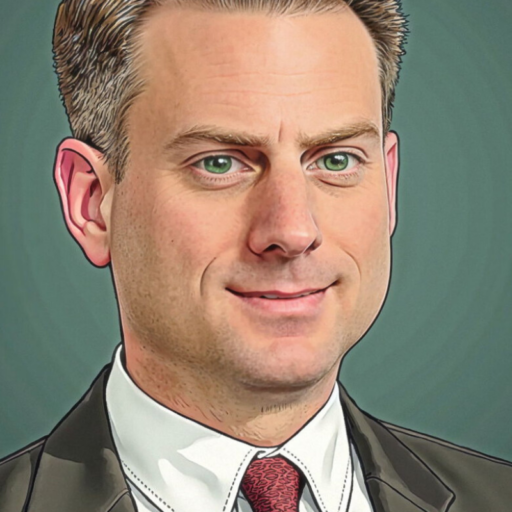
“Boards have shifted. They are no longer willing to absorb the reputational, cultural and financial cost of leaders who say one thing in the all-hands and do another behind closed doors.”
Executive Behavior Is Under Greater Scrutiny
Christopher Bylone, Principal Strategist of Innovation Unbiased, says recent executive turnover patterns reveal how dramatically leadership accountability standards have changed.
“The pattern is hard to miss,” Bylone says. “The executives exiting at the highest rates are those whose behavior does not align with the values their organizations claim to hold.”
As founder of a consultancy focused on building cultures of belonging through data-driven workplace strategies, Bylone works with organizations on examining how leadership behavior influences employee trust and organizational credibility.
His comments reflect the shift occurring across corporate governance. Boards, investors and employees are placing greater scrutiny on executive conduct, particularly when leaders publicly champion workplace values they fail to demonstrate privately.
“Boards have shifted,” Bylone says. “They are no longer willing to absorb the reputational, cultural and financial cost of leaders who say one thing in the all-hands and do another behind closed doors.”
That trend has accelerated alongside growing stakeholder expectations around transparency, ethics and accountability. Bylone says values-based leadership can no longer exist primarily in branding materials or executive messaging. “Inclusive values and personal integrity are no longer aspirational extras,” he says. “They are baseline requirements for the role.”
Accountability standards now apply more evenly across organizational hierarchies, Bylone adds. “If a leader is not willing to live by the values they expect from their workforce, the workforce is no longer the only group taking notes. The board is, too.”
The lesson for today’s C-suite leaders is increasingly unavoidable: trust is no longer protected by title alone. It must be reinforced consistently through behavior.
Leadership Lessons Companies Cannot Ignore
- Cultural credibility matters as much as operational expertise. Leaders who fail to understand organizational culture before driving change risk losing trust and influence quickly.
- Alignment problems should be addressed early. Organizations that normalize candid conversations around expectations, resources and leadership gaps reduce the likelihood of executive instability.
- Context-fit is more valuable than executive prestige. Boards must prioritize leaders whose experience matches the organization’s current reality rather than relying solely on past success.
- Fear-driven performance systems create fragile organizations. Sustainable performance depends on trust, belonging, accountability and clear growth opportunities.
- Executive values must align with executive behavior. Boards and employees increasingly expect leaders to model the same standards they demand from the workforce.
The New Expectations Defining Executive Leadership
Recent waves of executive turnover reveal a widespread transformation happening inside organizations. Leadership success is no longer measured solely by financial outcomes or strategic execution. Increasingly, boards, employees and stakeholders are evaluating whether leaders can build trust, align culture with strategy and navigate complexity without compromising organizational integrity.
For C-suite leaders, the implications are significant. The organizations most likely to maintain leadership stability in the years ahead will be those that treat culture, accountability and alignment as core business priorities rather than secondary management concerns. Executive turnover may continue, but the lessons emerging from it are becoming increasingly difficult to ignore.
MOST POPULAR

9 Ways to Measure the Success of Your DEI Strategy

Sponsorship vs. Mentorship — Building the Right Program for Your Organization
Inspiring Ideas. Actionable Insights.
Senior Executive's Email Newsletters Deliver Fresh Solutions to Today's Leadership Challenges.
Subscribe Free
How to Offer Employee Recognition Strategies That Go Beyond Awards

The New Healthcare Consumer: Reputation, Results and Trust

What Does a Chief Diversity Officer Do?