

Skills
About
Christopher Bylone is the visionary leader and founder of Innovation Unbiased, a platform that blends data and storytelling to build cultures of belonging. As host of the podcast “I Know I Belong When…”, he amplifies bold voices and curious stories that explore identity, inclusion, and impact. A cancer survivor and lifelong advocate, Christopher has led global belonging strategies at Krispy Kreme and IFF, transforming workplace culture through inclusive policies, ERGs, and multimillion-dollar DE&I initiatives. His journey—from founding a Gay-Straight Alliance in college to shaping corporate ESG strategies—is rooted in resilience and authenticity. Living in the Charlotte Metro area, he is a proud father to Derek, a freshman at the Darla Moore School of Business, and Jacob, an eighth grader who plays football and lacrosse. Christopher leads with heart, strategy, and conviction—proving that belonging is not just a value, it is a movement.

Christopher Bylone
Published content
expert panel
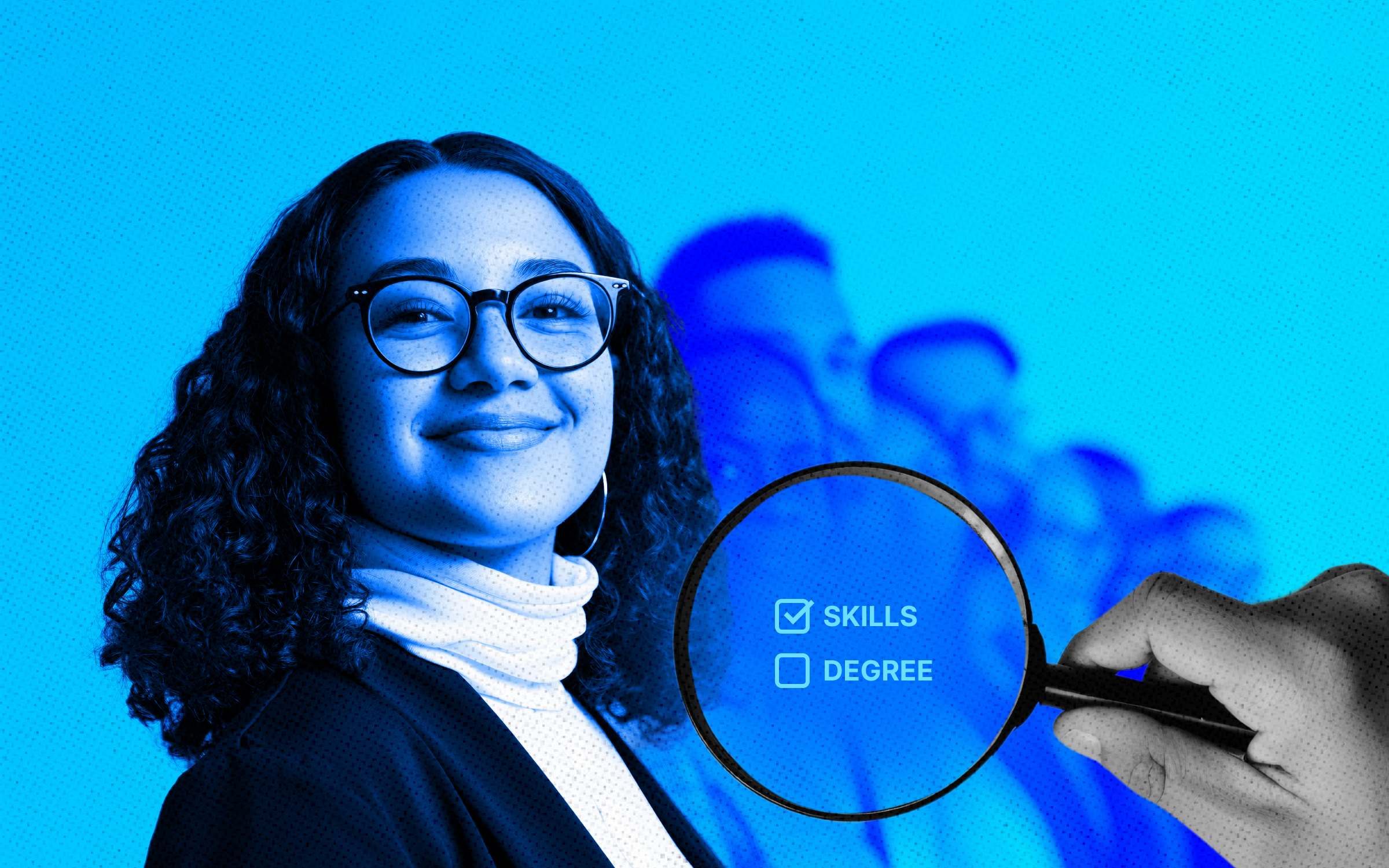
Skills-based hiring promised to make the labor market more accessible by shifting attention from where candidates went to school to what they can actually do. Yet changing a job description is much easier than changing the systems and habits that determine who ultimately gets an offer.Reports suggest a real gap between changing job requirements and changing hiring outcomes. In 2025, Harvard Business School conducted research with the Burning Glass Institute. The study found that companies that removed degree requirements saw only modest increases in hiring workers without degrees, with fewer than one in 700 new hires benefiting from the reforms overall. At the same time, the trend has not disappeared: Indeed reported in January 2026 that 19.3% of U.S. job postings required a bachelor’s degree or higher in November 2025, up from 16.6% two years earlier.Members of the Senior Executive HR Think Tank say the question is therefore bigger than whether a degree appears in a job posting. The real test is whether employers have changed how they define qualified, evaluate candidates and recognize capability.

expert panel
Solopreneurs can replace the accountability of a traditional workplace with measurable goals, outside support, regular reviews and systems designed to make commitments harder to ignore. Insights from members of the Senior Executive HR Think Tank show how independent professionals can stay focused without becoming their own worst boss.Working without a manager offers greater freedom, but it also removes many of the structures that make follow-through easier. No supervisor is checking deadlines, no colleague is flagging a missed commitment and no team meeting is prompting a progress update.That makes self-accountability less about having extraordinary discipline and more about deliberately building the structures that a workplace would normally provide. Members of the Senior Executive HR Think Tank bring perspectives spanning organizational psychology, leadership, recruiting, culture and career development to the question of how independent professionals can create those structures for themselves.Recent Gallup research reinforces the importance of the issue: In a survey, creating accountability ranked as the lowest-rated of seven leadership competencies, with just 46% of leaders rating themselves "exceptional or outstanding" at holding people responsible for exceptional performance. If accountability can be difficult even inside organizations with managers and teams, solopreneurs have even more reason to intentionally design it into their work.The experts suggest several ways to do that, from building a personal support network and creating financial consequences to making goals public, tracking measurable outcomes and protecting time for meaningful work.
expert panel
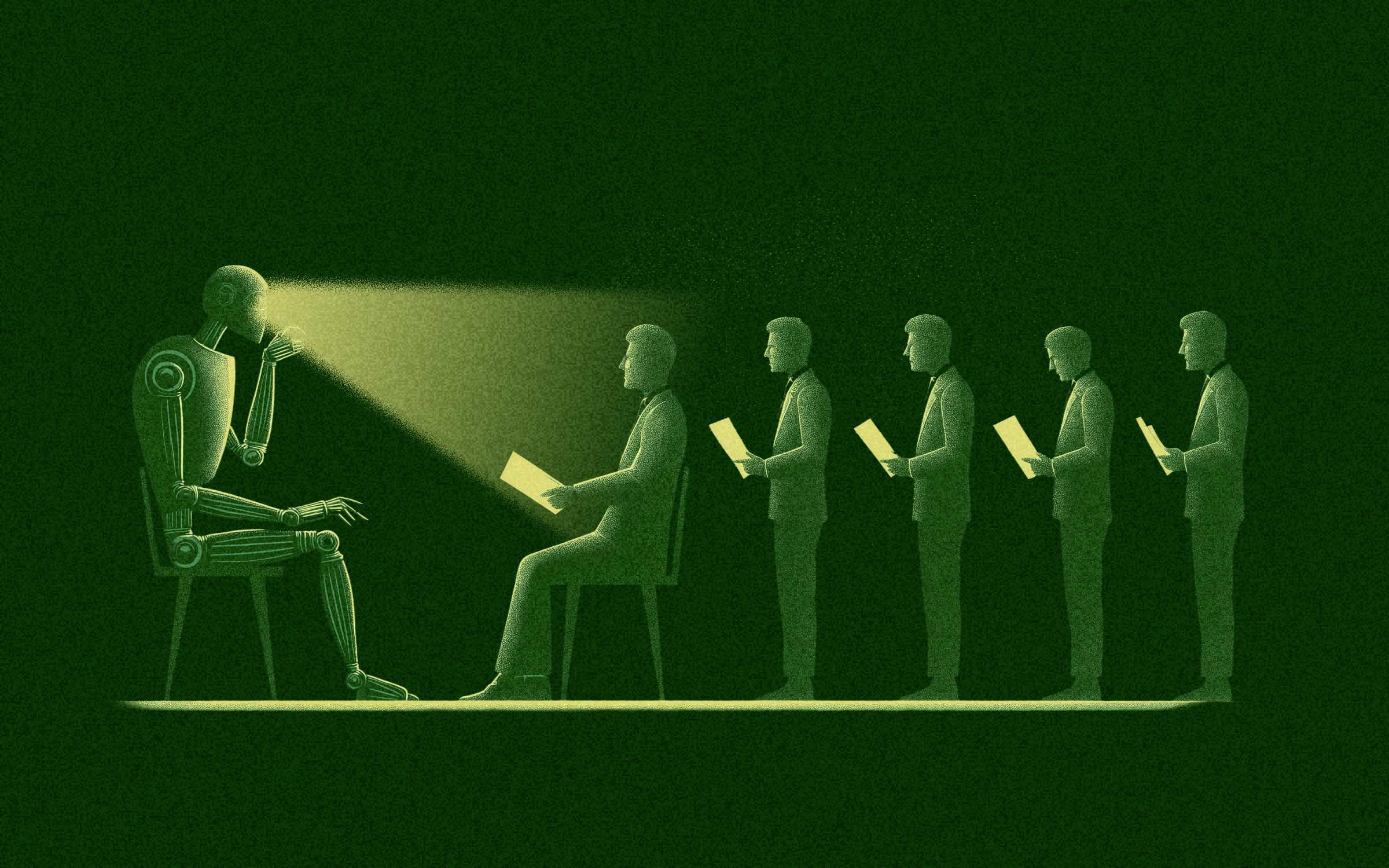
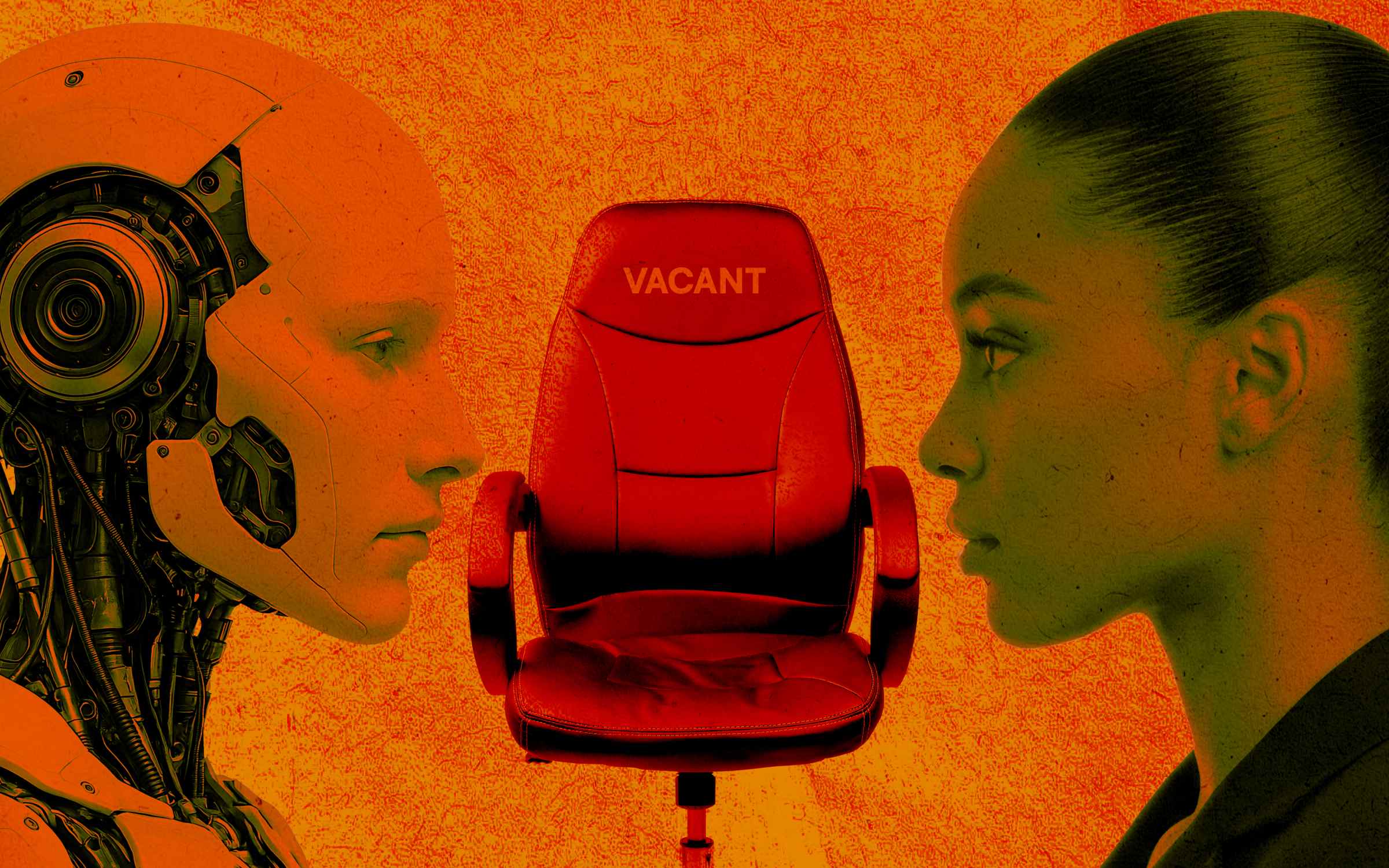
As AI takes on more recruiting tasks, HR leaders must decide where automation should stop, and human accountability should begin. Members of the Senior Executive HR Think Tank explain when candidates deserve human judgment, communication, transparency and a meaningful opportunity to challenge an automated decision.Hiring has always involved a tension between efficiency and humanity, but artificial intelligence is pushing that tension into new territory. AI can now help screen resumes, identify candidates, generate job descriptions and automate communication. According to LinkedIn's 2025 Future of Recruiting report, 37% of recruiting organizations are actively integrating or experimenting with generative AI, while 73% of talent-acquisition professionals say AI will change the way organizations hire.That makes the question less about whether companies should use AI and more about where responsibility belongs when technology affects someone's opportunity. Members of the Senior Executive HR Think Tank bring perspectives spanning talent acquisition, organizational leadership, career coaching, workplace culture and HR technology.Across their responses, one principle emerges: AI can take on more of the process, but companies cannot automate accountability.

expert panel
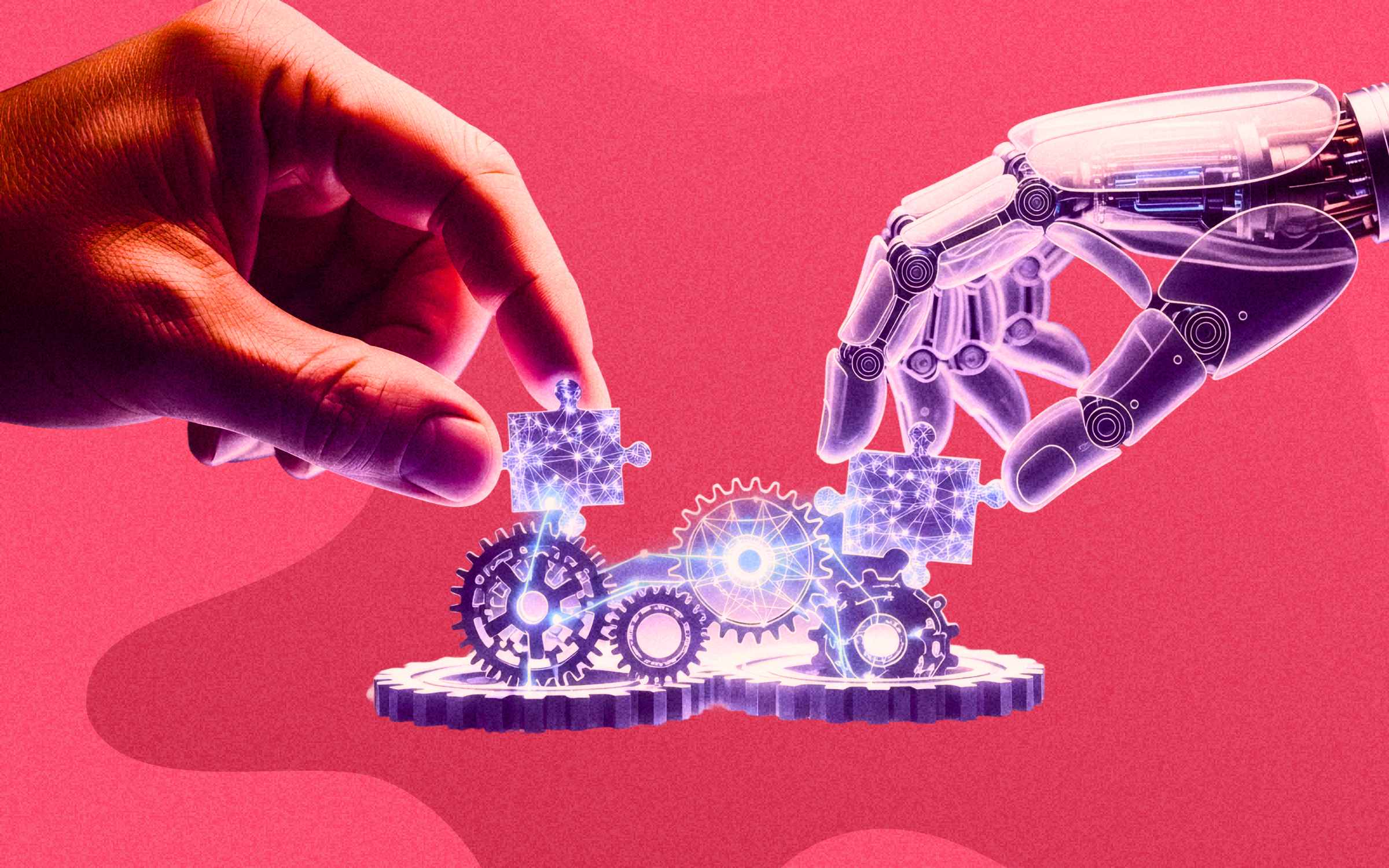
Customers increasingly expect companies to anticipate their needs and make interactions seamless. Members of the HR Think Tank explain how employers can apply those principles to the employee experience while preserving human connection, autonomy, trust and belonging.Consumers have become accustomed to experiences that anticipate their needs, remove unnecessary friction and adapt to individual preferences. That expectation is increasingly finding its way into the workplace, where employees encounter everything from personalized learning recommendations to flexible benefits and technology-enabled HR services.But applying customer experience principles to employees has an important limit: Employees are not simply consumers of an internal service. They are participants in an ongoing relationship with their organizations.That distinction is central to the advice from members of the Senior Executive HR Think Tank, a curated group of HR leaders, consultants and workplace experts. Their perspectives suggest that the best employee experiences borrow the principles of customer experience, such as clarity, responsiveness, personalization and ease, without adopting a transactional mindset.Deloitte's 2025 Global Human Capital Trends research supports that balance. The report found that 67% of leaders consider customizing work and workforce practices around employees' skills, motivations, passions and work styles important. Yet only 5% said their organizations were leading in using technology to hyper-personalize how they influence workers. Deloitte also emphasizes that personalization must be balanced with employee autonomy and responsible data practices.
expert panel
Aug 31, 2026
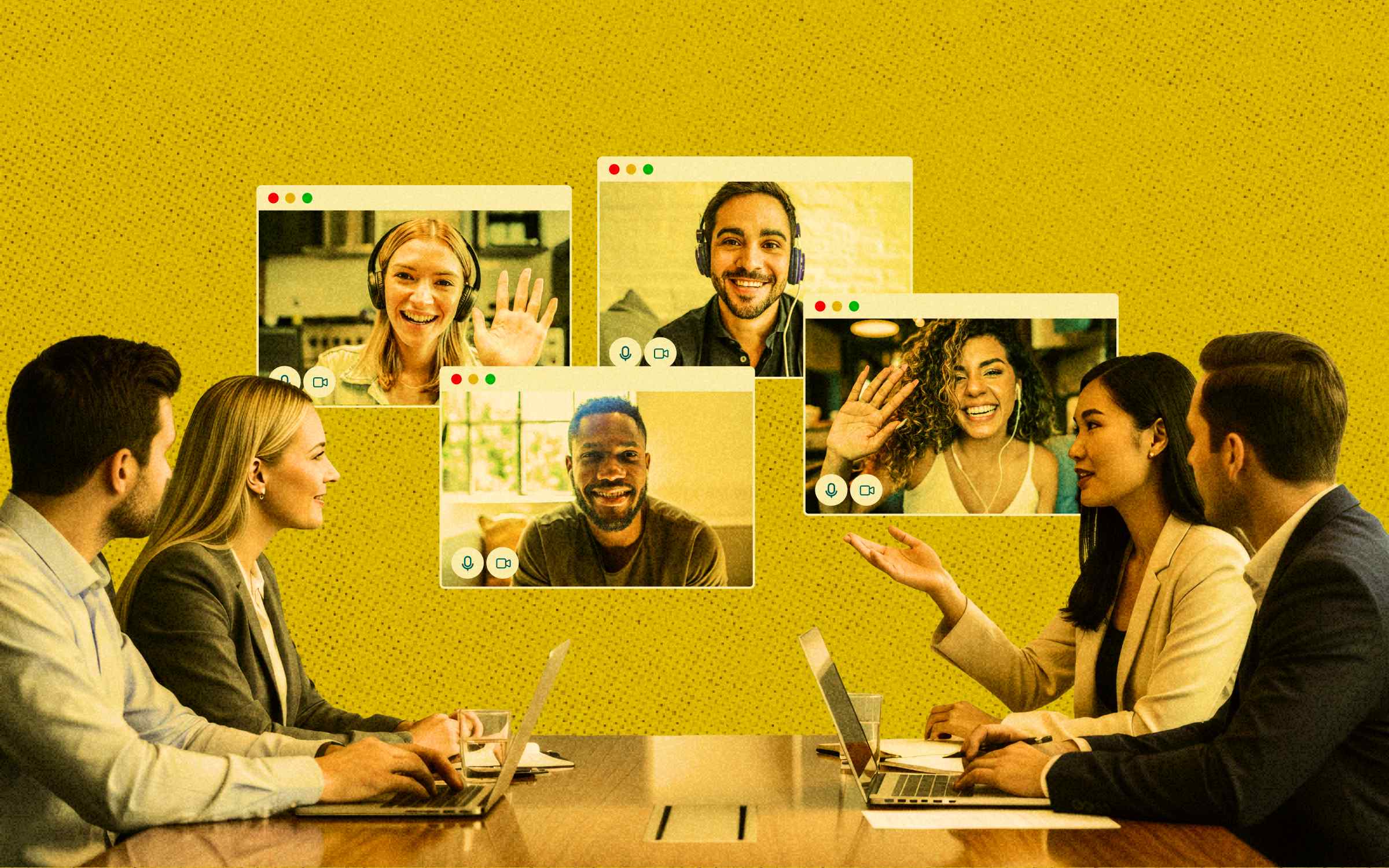
Hybrid and distributed work have changed how employees experience connection. Members of the HR Think Tank share how managers can make belonging part of everyday leadership through intentional communication, equitable access, stronger relationships and better work design.For years, organizations could confuse physical proximity with connection. Employees saw one another in hallways, gathered before meetings and absorbed informal information simply by being nearby. Hybrid and distributed work have made it much harder to assume those experiences will happen naturally.That matters because hybrid work remains a durable part of the workplace. Gallup's 2026 tracking shows that 52% of U.S. employees in remote-capable jobs work in hybrid arrangements, while 26% work exclusively remotely.Members of the Senior Executive HR Think Tank say the answer is not to recreate the office online. Instead, managers must deliberately build belonging into how they communicate, distribute opportunities, recognize contributions and design the work itself.

expert panel
Mental health at work cannot be addressed through benefits alone. Members of the Senior Executive HR Think Tank explain how leaders can design workloads, management practices, autonomy, psychological safety and workplace systems to support sustainable performance.Workplace mental health is increasingly recognized as a business and organizational design issue—not simply an employee benefit. SHRM's 2026 research found that stress and anxiety remain significant concerns among U.S. workers, while companies continue to wrestle with employee burnout and the underuse of mental health benefits.That raises a more fundamental question: What if organizations stopped asking employees to cope better with unhealthy conditions and instead examined the conditions themselves? Members of the Senior Executive HR Think Tank bring expertise in psychology, HR, organizational design, leadership, culture and workforce strategy to that question.Their answers point toward a common idea: A mentally healthy workplace is not created by adding another program to the benefits portfolio. It is created by deliberately designing work so people can perform without continually sacrificing their psychological well-being.



















Company details
Innovation Unbiased
Company bio
Innovation Unbiased is a strategic consultancy that transforms workplace culture through data-driven, people-centered strategies. It is designed for organizations seeking measurable impact, cultural clarity, and long-term momentum in their employee experience efforts. Our approach is grounded in the belief that belonging requires both heart and spine—emotional resonance and strategic rigor. We exists to turn uncertainty into clarity by delivering frameworks that align policy, practice, and performance. Its mission is to empower leaders with strategies that ensure every individual feels they belong—not just today, but through every shift ahead. We use our Belonging Formula to deliver data-driven employee experience strategies aligned with business goals. It meets organizations in their moment, guiding them toward their version of success with boldness, curiosity, and care. IU embodies the Sage–Rebel archetype: a fusion of wisdom and disruption. It is not reckless, but precise. IU speaks hard truths, offers grounded insights, and equips clients with tools to lead change. This archetype reflects IU’s commitment to discernment over noise, capability-building over quick wins, and belonging through insight—not buzzwords.