Skills
About
Mark Francis is a technology executive with deep experience in aging and healthcare. Currently, the Founder and CEO of CaregiverZone, Mark's career spans leadership roles at Amazon Web Services, Intel, Health Hero Network, and Age Wave. A builder and inventor, Mark has been awarded 17 US patents and his ventures have raised over $500 million. In the area of digital health, Mark's ventures have achieved multiple exits, including acquisitions or JVs with Bosch, SCAN, and GE. Mark serves as a Mentor to the NIH StartUp Challenge and was educated at Harvard, Pitt, and Cambridge.

Mark Francis
Published content

expert panel
Independent medical practices face a difficult balancing act: They’re being asked to deliver more sophisticated, connected and efficient care while managing rising operating costs, growing administrative demands and increasingly complex technology requirements. Large health systems often have advantages in capital, purchasing power, analytics and centralized operations. Smaller practices, however, can offer something equally valuable: direct physician-patient relationships, flexibility and the ability to adapt care to individual needs.The challenge is determining which advantages to borrow from larger organizations without importing the bureaucracy that can undermine independent practice.For members of the Senior Executive Healthcare Think Tank, a curated group of experts specializing in patient experience, workforce strategy, policy, quality, equity and healthcare technology, the answer is not to replicate the health system model wholesale. Instead, independent practices should identify the capabilities that benefit from scale and preserve the clinical relationships that make their care distinctive.Here, they explain how shared infrastructure, intelligent automation and operational discipline can help independent practices become more resilient while keeping clinical decisions and patient experience firmly in local hands.

expert panel
Healthcare marketing has a translation problem.Clinical experts think in diagnoses, treatment protocols, risk factors, outcomes and evidence. Patients often think in much more immediate terms: What does this mean for me? What happens next? Can I afford it? Who do I call? Do I need to do something today?The Agency for Healthcare Research and Quality notes that 88% of U.S. adults lack the health literacy skills needed to manage all the demands of the healthcare system, while 36% have limited personal health literacy. Bridging those two worlds requires more than simplifying medical terminology. It requires healthcare organizations to rethink what patient content is supposed to accomplish.The Senior Executive Healthcare Think Tank brings together leaders with expertise spanning patient experience, workforce strategy, policy, quality, equity and healthcare technology. They suggest that the most useful healthcare content is not simply easier to read, but more relevant, more contextual, more credible and more tightly connected to the decision a patient is trying to make. Below, they share how healthcare marketers can bridge the divide between complex clinical expertise and the patients who need to understand and act on it.

expert panel
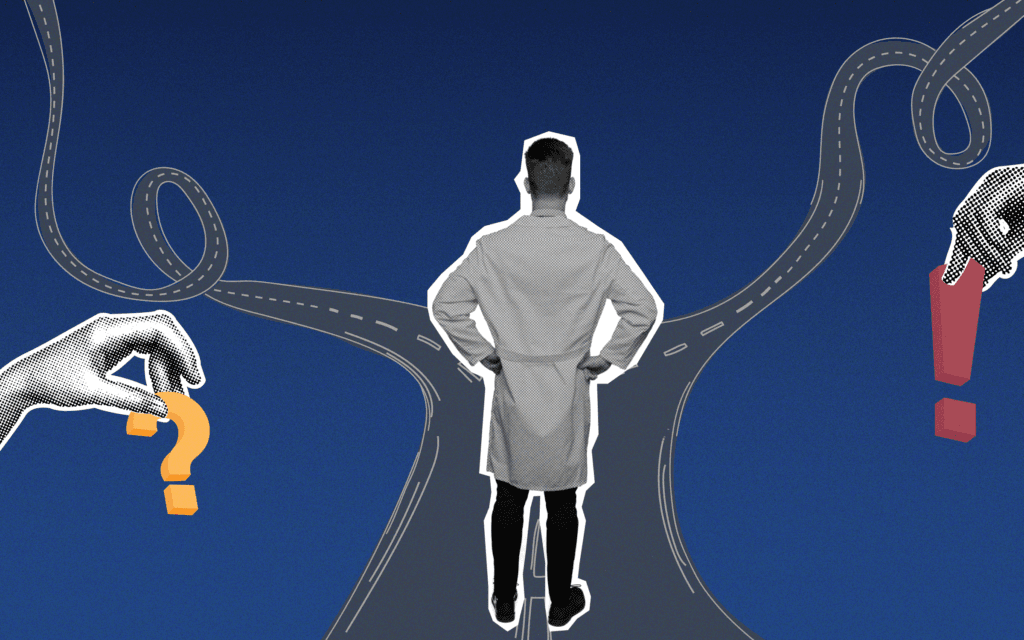
Healthcare leaders have spent the past decade investing in AI, interoperability, telehealth, analytics and other technologies designed to improve care. Yet technology alone does not transform a healthcare system. The bigger challenge is deciding where innovation can make the greatest difference—and changing the processes, priorities and investments that stand in its way.That question is at the heart of insights from the Senior Executive Healthcare Think Tank, a group of experts spanning patient experience, workforce strategy, policy, quality, equity and healthcare technology. Rather than focusing on what healthcare could do someday, they consider where leaders can take meaningful action now and what needs to change in the way organizations approach transformation.Below, they explore the leadership choices behind better care—how to move from reactive treatment toward earlier intervention, connect fragmented systems, make AI useful without adding complexity, give patients a greater role in decisions and rethink how success is measured—offering a practical look at where healthcare leaders can focus their efforts to create lasting change over the decade ahead.

expert panel
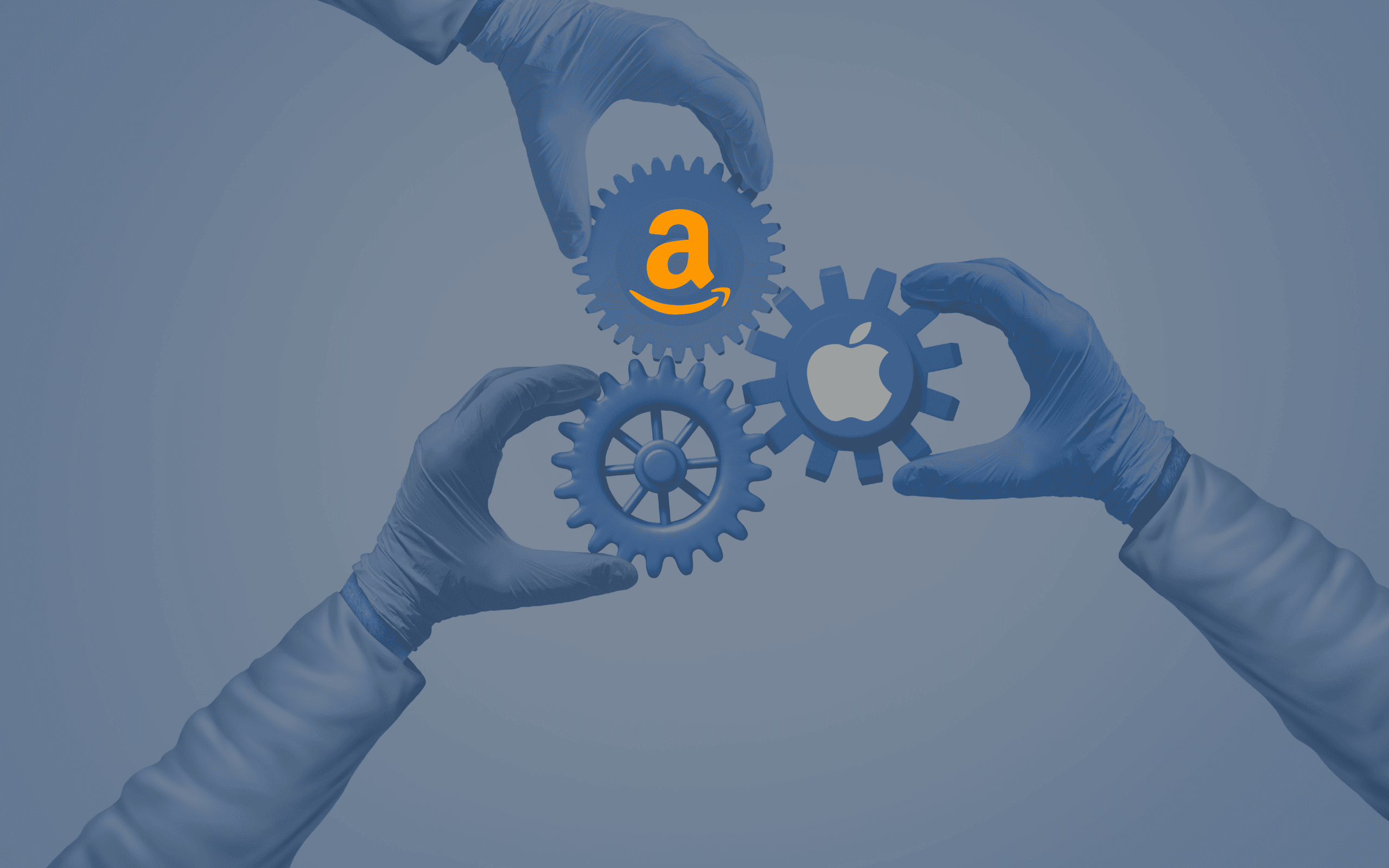
Healthcare mergers and acquisitions are often built around a compelling financial or strategic thesis: expand market reach, add capabilities, improve scale or create efficiencies. Yet the hardest part of the transaction frequently begins after the paperwork is signed, when two organizations must actually function as one.That issue often comes down to the way work actually happens. Employees develop workarounds. Physicians build relationships and routines that aren't captured in organizational charts. Technology systems accumulate custom configurations. Data acquires its own definitions and dependencies. Products evolve along separate roadmaps. Leaders develop different approaches to decision-making and accountability. None of these realities necessarily makes an acquisition unattractive, but failing to understand them can make integration far more difficult than anticipated.So what should healthcare leaders be looking for before they close the deal?The members of the Senior Executive Healthcare Think Tank—a curated group of experts in healthcare operations, technology, workforce strategy, medical devices, data, AI and clinical systems—offer perspectives that collectively challenge the traditional due diligence checklist. The following insights explore where hidden operational risks tend to surface and, more importantly, the questions leaders should be asking while there is still time to act on the answers.

expert panel
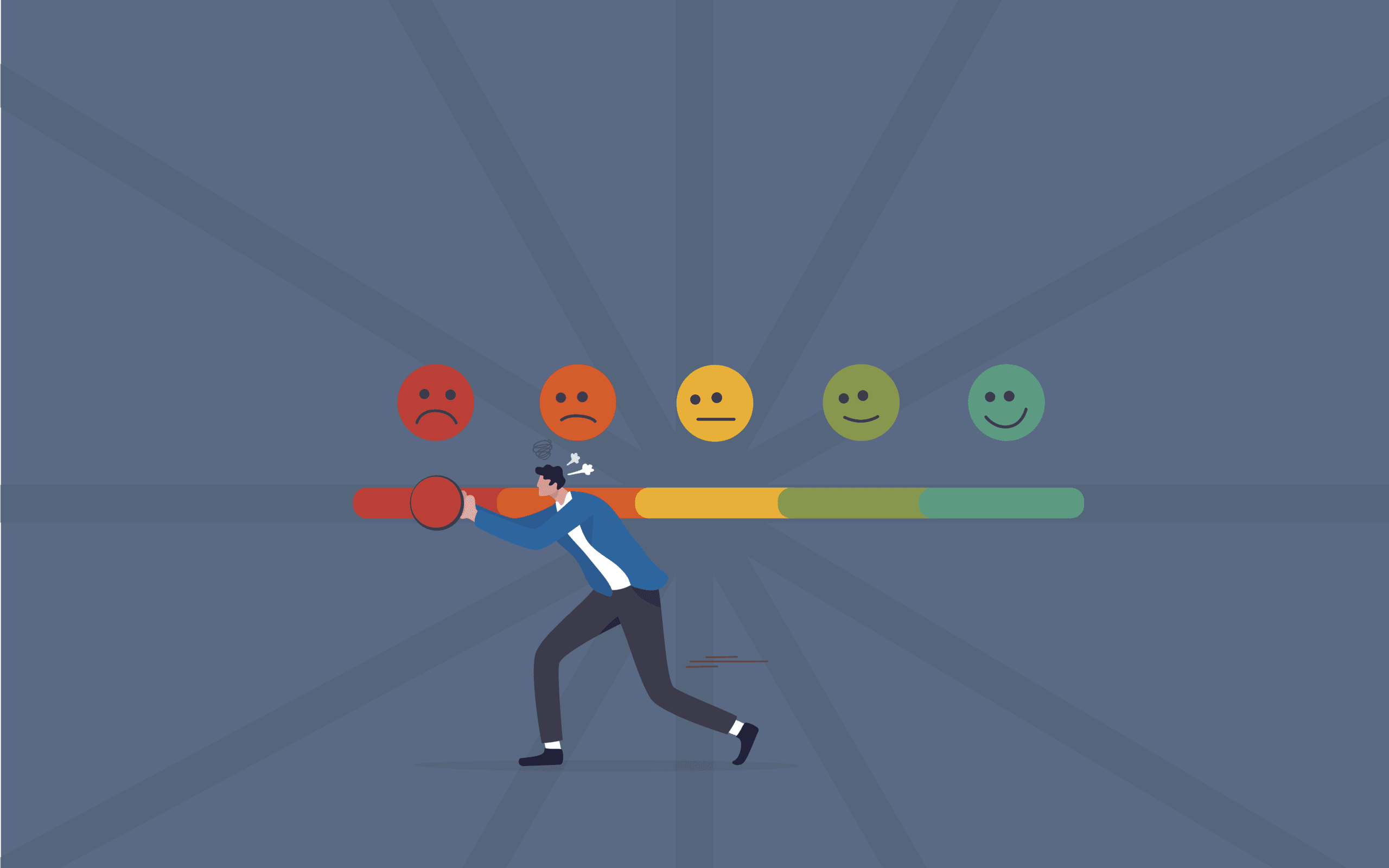
A healthcare organization can look healthy on paper right up until it doesn’t.The quarterly numbers may be on target. Patient satisfaction may still be holding steady. Revenue may look strong. But somewhere inside the organization, a different story may already be taking shape: Employees are calling out more often. Patients are missing appointments. Clinicians are finding workarounds. Claims are taking longer to resolve. Information is moving more slowly between systems. People who used to speak up have started keeping quiet.By the time those problems show up in the metrics most executives watch, the organization may already be responding to consequences rather than causes.Below, members of the Senior Executive Healthcare Think Tank—experts in healthcare transformation, workforce strategy, patient experience, technology, revenue cycle, medical devices, interoperability, AI and digital health—look beyond traditional financial and operational measures and identify the signals that can reveal emerging problems, offering healthcare leaders a closer look at what they can measure now to better understand where their organizations are headed next.

expert panel
For all the progress in health technology, one problem remains: Knowing more about our health does not necessarily mean we will do anything differently.But that may be about to change. Wearables can capture what is happening throughout the day. Continuous monitors can reveal how the body responds in real time. AI can connect those signals and identify patterns that might otherwise go unnoticed. The question is whether these technologies can move from telling us what is happening to helping us decide what to do next.That distinction matters in the workplace, where health, performance and behavior are closely connected. A useful technology should not simply produce another score or notification. It should help an employee make a better decision, give a manager a way to support a healthier work environment or identify a potential problem early enough to do something about it.We asked members of the Senior Executive Healthcare Think Tank—experts in AI, digital health, telehealth, workforce strategy, aging, healthcare architecture and data interoperability—which emerging technology they believe has the greatest potential to improve workforce health and performance.Their answers offer a look at what comes next: a shift from health technology that measures and reports to technology that can, when used thoughtfully, help people act.



















Company details
CaregiverZone, Inc.
Company bio
CaregiverZone provides information and resources to support independent living and aging-in-place.