Today’s CMOs are tasked with far more than crafting marketing campaigns and boosting growth metrics. They’re customer champions, executive partners, culture carriers, data translators and creative visionaries. Dealing with these omnidirectional challenges—all while producing creative content and shepherding their teams—has a name: 360-degree leadership.
CMOs must understand how marketing connects to business strategy, how decisions affect the people doing the work, and how cross-functional relationships shape what’s actually possible. It’s not an easy remit, and they often butt heads with their fellow executive leaders who aren’t fully versed in modern marketing’s role and impact. At the same time, they and their teams are often asked to do more with less while navigating shifting executive priorities, worries about how technology could impact their work, and the relentless pace of the always-on digital marketplace. If a CMO can’t hold the line on focus, culture or strategic clarity, burnout spreads, morale erodes and the work suffers.
A CMO who thrives under that kind of pressure knows when and how to push back, when and how to align, and when and how to protect their team from unreasonable or unfocused demands. They don’t just keep work moving—they create focus, set boundaries and ensure expectations are realistic, protecting both performance and morale.
The members of the Senior Executive CMO Think Tank have hard-won expertise in brand storytelling, digital advertising, customer engagement and the integration of AI into modern marketing strategy. Below, four of them share what 360-degree leadership really looks like in practice and what they’ve learned about successfully balancing influence, accountability, creativity and team well-being.
“For a CMO to maintain high team morale, they must ensure other company divisions understand that marketing offers a customer-centric viewpoint into their own functions.”

Ensure the Marketing Team’s Strategic Leadership Is Recognized
Emily Howard, Owner and CEO of Cheetah Strategy, frames 360-degree leadership as a requirement for a CMO, not a nice-to-have.
“As a brand and marketing strategy consultant, I work with clients to optimize their marketing departments,” Howard says. “Finding a CMO who understands 360-degree leadership is crucial to successful marketing efforts.”
For Howard, that starts with perspective. A marketing leader must understand—and convey—how the customer’s needs, behaviors and beliefs impact all aspects of the business. Further, they must understand the role every team within the company plays in its success.
“A seasoned CMO will have an appreciation for how the executive, finance, operations, HR, sales, IT and data functions of the company relate to fruitful marketing of its products and services,” she says.
But it’s not enough for the CMO to know that their team acts as every other team’s storytellers and partners. The value of the marketing team’s work—strategic, not merely supportive—and input must be recognized across the organization.
“For a CMO to maintain high team morale, they must ensure other company divisions understand that marketing offers a customer-centric viewpoint into their own functions,” Howard says. “A strong CMO will ensure the marketing team is internally positioned as leaders, not simply in supporting roles.”
Make Constructive Conflict Part of the Creative Process
Kurt Uhlir, Chief Marketing Officer at ez Home Search, argues that effective 360-degree leadership doesn’t mean smoothing over every disagreement. It means creating a culture where concerns surface early enough to matter. “Strong marketing organizations don’t avoid conflict,” Uhlir says. “They operationalize it.”
He explains that 360-degree leadership means giving teams permission to challenge direction, timing and scope before work begins, not after it fails.
“That posture earns credibility with executives and partners because risks are surfaced early, not explained away later,” he adds.
Just as important, Uhlir connects that openness to team morale and sustainability.
“Morale improves when people know their voice can stop bad work,” he says. “Burnout drops when teams aren’t forced to carry silent objections.”
For Uhlir, the leadership challenge is to make that kind of disagreement routine and professional instead of rare and personal.
“Leaders stay effective by setting clear boundaries, protecting focus and making disagreement part of the process rather than a personal event.”
“When teams understand the ‘why’ and there’s transparency regarding trade-offs, they operate well in high-stakes environments.”
Align Expectations Before Pressure Builds
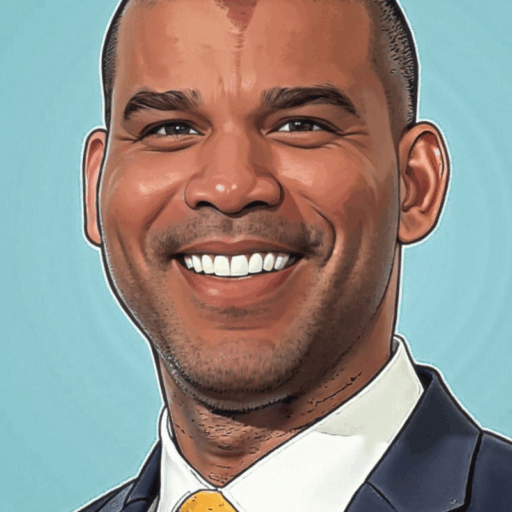
For Paul L. Gunn Jr., Founder of KUOG Corporation, ensuring his company’s messaging is continually conveyed with clarity, credibility, care and intentionality is at the root of effective 360-degree leadership. In his experience, efficiency usually goes hand in hand with alignment.
“Effective branding requires cross-functional partners—our ecosystem of customers, vendors, teammates and stakeholders drives context and truth through consistency,” he explains.
When it comes to burnout, Gunn points to a cause many leaders recognize too late: confusion regarding priorities.
“I have learned that burnout doesn’t come from high expectations, but misaligned ones,” he says.
Gunn adds that working with leaders who value and practice transparency is a huge advantage not only for a business owner, but also for their team members.
“Having great leaders who can set clear priorities and protect focus is an intangible, but impactful, asset for a company,” he says. “When teams understand the ‘why’ and there’s transparency regarding trade-offs, they operate well in high-stakes environments.”
Protect Your Team’s Focus and Capacity
Rachel Perkins, Founder and Chief Strategist at Venturesome Strategies, takes a practical view of what 360-degree leadership looks like day to day. In her experience, it often comes down to protecting teams from distraction and resisting the pressure to treat every new request like a top priority.
“Leaders must triage requests ruthlessly, helping their team focus work based on best practices and outcomes, not the shiny objects,” Perkins stresses.
That discipline, she notes, should be tied to business goals first and foremost. When leaders anchor decisions in outcomes, they’re better able to manage expectations instead of simply defaulting to “yes.”
“Align everything to business outcomes first, then negotiate timelines or scope on the rest,” Perkins says. “Communicate ‘yes, if …’ or ‘no, because …’ to stakeholders to preserve team capacity—and their sanity.”
Indeed, Perkins sees one of the CMO’s most important responsibilities as shielding teams from the churn that can drain energy and creativity.
“You should act as a buffer for organizational noise—disagreements, shifting priorities and other stressors—so your team stays focused on creative, high-impact work,” she says.
At the same time, protection doesn’t equal hovering. Perkins argues that strong leaders give people room to move within a clear strategic framework.
“The best leaders give teams decision-making guardrails tied to strategy, freeing them to execute without feeling micro-managed,” she says.
This strategy of balancing careful prioritization with guided autonomy takes weight off a marketing team’s shoulders, protecting both people and the quality of their work.
“Burnout hits when everything feels urgent and overblown,” Perkins says. “At the end of the day, it’s PR, not the ER. Encourage your team to prioritize their well-being and families.”
Putting 360-Degree Leadership Into Practice as a CMO
- Position marketing as a strategic leadership function across the business. Make sure colleagues across departments understand that marketing brings customer insight that can strengthen their decision-making.
- Help your team see the business beyond the campaign. Encourage marketers to understand how customer needs, behaviors and beliefs influence companywide strategy, not just brand messaging.
- Treat internal perception as a morale issue. When marketing is seen as a strategic partner rather than a support desk, teams are more likely to feel valued, motivated and invested in the work.
- Build healthy disagreement into the process. Give team members permission to question direction, timing and scope before work begins so risks can be surfaced when they’re still manageable.
- Clarify priorities before pressure compounds. Burnout often grows from misaligned expectations, so leaders should define what matters most before demands escalate.
- Explain the “why” behind decisions and trade-offs. Teams are better equipped to perform in high-stakes environments when they understand priorities, context and what’s being deprioritized.
- Triage requests against business outcomes. Not every ask deserves equal urgency, and CMOs should evaluate new demands based on strategic value rather than novelty or noise.
- Use clear language to protect team capacity. Responses like “yes, if …” or “no, because …” help manage stakeholder expectations and preserve strategic focus.
- Give people guardrails instead of micromanaging them. Strategic clarity paired with decision-making autonomy helps teams move faster without feeling unsupported or controlled.
- Normalize well-being as part of performance. Reminding teams that not everything is an emergency can reduce unhealthy urgency and support better long-term work.
The Bottom Line: Great Leadership Is a Competitive Advantage
Effective 360-degree leadership means CMOs focus on more than driving results. They connect customer insight to business strategy, build alignment across functions, create room for honest disagreement, and protect their teams from noise, overload and confusion. When marketing leaders create alignment, surface conflict early, anchor decisions in strategy, and guard their teams’ focus and well-being, they don’t just prevent burnout—they foster creativity, engagement and stronger results.
As marketing grows more complex, more cross-functional and more influenced by AI, data and rising executive expectations, the CMOs who thrive won’t be those who simply work harder or faster. They’ll be the ones who lead with clarity and intentionality, champion their team members as the smart and strategic resources they are, and know that strong performance starts with strong, supported people.