In B2B sales, there’s rarely just one person to convince—and neglecting that insight is where many marketing and sales strategies start to break down. In reality, most B2B deals wind their way through a maze of stakeholders, side conversations and internal trade-offs. A proposal that resonates with one executive can fall flat in a meeting your team doesn’t even get to attend.
When marketing teams don’t fully understand how B2B buying decisions are actually made, messaging gets watered down. And when sales teams don’t fully understand how to speak—and listen—to prospects, they can’t build the trust that’s foundational to both new and lasting client relationships. Marketing and sales must work together to build an effective outreach strategy—and an essential first step is uncovering the real internal decision structure.
From there, the challenge shifts from mapping the maze to moving through it. Impressing a primary contact is just the first step. You must then equip that champion with the clear messaging they need to confidently advocate for your product or service and arm them with answers to inevitable questions from skeptical and concerned colleagues.
Experts in brand storytelling and customer engagement, the members of the Senior Executive CMO Think Tank have navigated their share of client organizational structures. Here, three of them share practical strategies for uncovering the true decision map within a prospect organization and crafting messaging that fully resonates inside even the most complex B2B organizations.
“Prudent marketing teams are mindful of the linguistic cues that are often paralleled in behaviors. This helps them create clear messaging for champions, influencers and blockers.”
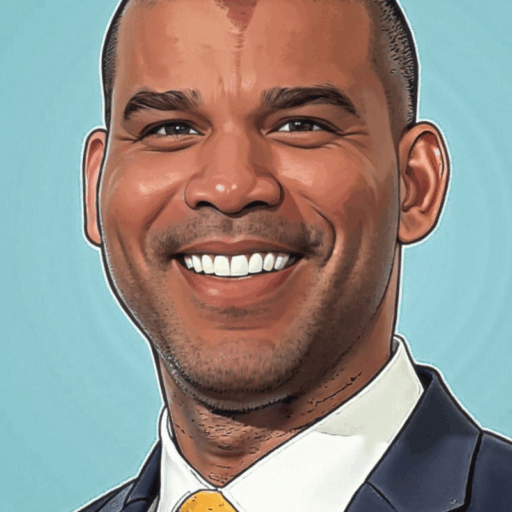
Listen Carefully to Uncover the Real Decision Map
Paul L. Gunn Jr., Founder of KUOG Corporation, says B2B marketing and sales teams need to go deeper than titles and reporting lines to understand who they need to speak to—and what they need to say.
“There is often complexity within B2B environments, and org charts can provide limited information about how decisions are truly made,” he says.
For Gunn, that’s where careful listening comes in.
“Through cognitive empathy—that is, by listening to what stakeholders say as well as how it is said—a team can quickly uncover the true decision map within an organization,” he says.
Gunn explains that important clues can be found in communication exchanges. Subtle language patterns can reveal essential information about various roles, values and priorities within an organization.
“Leaders who default to ‘I’ often hold positional authority, while those who consistently utilize ‘we’ may collaborate in the process, even if they don’t sign the contract,” he explains. “Blockers tend to speak in abstractions, using words like ‘process’ and ‘policy,’ while champions tend to speak with urgency and focus on outcomes.”
For marketing and sales leaders, the takeaway isn’t to label people too quickly. It’s to listen with intention to understand what various stakeholders need to hear.
“Prudent marketing teams are mindful of the linguistic cues that are often paralleled in behaviors,” Gunn says. “This helps them create clear messaging for champions, influencers and blockers.”
“Every B2B purchase is a series of internal negotiations. The CFO calculates risk differently than the CTO, and both do so differently than the board member asking pointed questions.”

Understand What’s at Stake for Each Player
Uncovering the decision structure is only half the battle. Kathleen Lucente, Founder and CEO of Red Fan Communications, says the next step is understanding the human dynamics inside it.
“The buying committee isn’t a mystery to solve; it’s a story to understand,” she says. “Stop asking, ‘Who decides?’ and start asking, ‘What’s at stake for each person at that table?’”
Each stakeholder brings a different set of criteria to bear when reviewing a buying decision. B2B marketing and sales teams must be ready to speak to what each of them values—and worries about.
“Every B2B purchase is a series of internal negotiations,” Lucente explains. “The CFO calculates risk differently than the CTO, and both do so differently than the board member asking pointed questions.”
She urges marketing and sales teams to treat discovery as relationship-building, not intelligence-gathering. Instead of interrogating a primary contact for org chart details, she suggests showing that you understand the questions and challenges they’ll face by taking a collaborative approach to debate prep.
“Ask your champion, ‘Walk me through what happens after you recommend us. Who weighs in?’ They will help if you have demonstrated you understand their professional stakes.”
Lucente advises that the goal isn’t to overwhelm your champion with documents and data. Instead, it’s to work with them to create “pass-along positioning” messaging so clear that they can easily relay it even when you’re not in the room.
“They don’t need more ammunition; they need language that makes them look smart and reduces their exposure.”
“Org charts explain hierarchy, not decisions. Real buying power shows up where risk gets managed.”

Address Risk to Unlock Momentum
Even with a clear map and strong internal champions, deals can still stall. Kurt Uhlir, Chief Marketing Officer at ez Home Search, says many teams misunderstand the importance of addressing perceived risk.
“Org charts explain hierarchy, not decisions,” he says. “Real buying power shows up where risk gets managed.”
In many cases, B2B sellers must overcome buyers’ feeling that familiar brands are the best choice.
“Data consistently shows that, most of the time, purchases default to the top three brands in a category, because choosing anything else feels unsafe,” Uhlir says.
That bias toward safety shapes how stakeholders evaluate options, even when a new solution may offer better outcomes. For marketing leaders, that means identifying who feels the weight of potential fallout.
“Map who absorbs risk, who gets blamed if something fails, and who benefits if it works,” Uhlir advises.
Drilling down to individual perspectives can clarify the details of effective messaging.
“Champions talk about outcomes. Blockers talk about exposure,” Uhlir says. “Messaging should arm champions with the proof and language they need to reduce perceived risk internally, while giving blockers confidence that making a change won’t create fallout.”
Ultimately, Uhlir reminds leaders that successful B2B sales depend on more than convincing clients about your upsides. When marketing and sales teams understand where risk lives inside an organization—and speak to it clearly—they make it easier for buying groups to move from cautious evaluation to confident action.
“Momentum follows when fear is addressed directly.”
How to Map Influence and Move Deals Forward
- Listen for language patterns, not just job titles. Pay attention to how stakeholders speak in meetings and emails to uncover who holds authority, who collaborates and who may quietly influence the outcome.
- Practice cognitive empathy in every interaction. Make a habit of listening to what is said and how it is said so you can map the real decision structure before tailoring your pitch.
- Shift from “Who decides?” to “What’s at stake?” Focus conversations on each stakeholder’s risks and priorities so your messaging reflects their real-world pressures.
- Treat discovery as collaborative prep, not interrogation. Work with your internal champion to understand what happens after they recommend you and to help them prepare for the conversations you won’t attend.
- Map where risk is managed inside the organization. Identify who absorbs the fallout if something fails and who benefits if it succeeds to understand where buying power truly sits.
- Equip champions and reassure blockers at the same time. Provide proof and language that help advocates reduce perceived risk internally while giving skeptics confidence that change won’t create unnecessary exposure.
Navigating the B2B Maze With Confidence
Complex B2B buying negotiations don’t break down because of weak products or uninspired presentations—they stall when teams misunderstand how decisions actually move through an organization. By listening closely, understanding each stakeholder’s priorities and pressures, and addressing perceived risk head-on, marketing and sales teams can replace guesswork with strategy.
As buying groups grow more complex and scrutiny intensifies, the ability to decode internal dynamics won’t just be a competitive advantage—it will be table stakes. Marketing and sales leaders who invest in mapping client decision structures and aligning messaging with internal stakeholders’ desired outcomes will be better positioned to build trust, accelerate momentum and sign deals that stick.