Trust is hard to earn and easy to lose; the same is true of brand authority. It can’t be purchased with a bigger ad budget or manufactured through a clever campaign. The brands that earn it do so by being consistently useful, credible and clear about what they stand for.
Buyers today are flooded with claims for their attention, and they’re savvy. They’ll simply tune out generic, promotional brand messaging that shows no understanding of their real needs. Conversely, a coherent narrative backed by genuine expertise and validated by real outcomes becomes something customers actively seek out. A brand that masters that kind of messaging shifts from just another seller to a trusted resource and, eventually, to the obvious choice.
So what questions do businesses need to ask and answer about themselves, and how can they build brand authority systematically rather than accidentally? And how do the pieces—narrative clarity, a distinctive value proposition, subject matter expertise and proof points—fit together into a winning strategy that compounds over time? Below, members of the Senior Executive CMO Think Tank discuss what this kind of disciplined approach to brand building looks like in practice, sharing their expertise in establishing the kind of authority that customers trust and actively seek out.
“When narrative, expertise and proof reinforce each other over time, the brand shifts from promoting itself to becoming a trusted reference point in the category.”
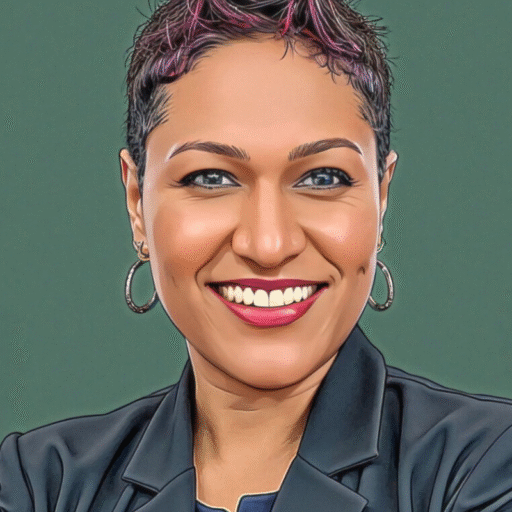
Support a Consistent Narrative With Real-Life Outcomes
Ramya Chandrasekaran, Chief Communications Officer for The QI Group, knows that buyers aren’t swayed by sheer volume of content; rather, they’re looking for consistent proof. To effectively demonstrate that proof, a brand has to drill down to its very foundations.
“A systematic approach starts with a clear point of view about the problem your brand exists to solve,” she says. “That narrative is then carried by credible voices—leaders, practitioners and subject matter experts who demonstrate real expertise, not just marketing polish.”
Chandrasekaran emphasizes that a brand’s narrative must be validated by concrete evidence like customer outcomes, case studies, data and industry validation. When its story is supported by real-life outcomes, a brand gains not only audience attention, but also real authority.
“When narrative, expertise and proof reinforce each other over time, the brand shifts from promoting itself to becoming a trusted reference point in the category,” she says. “That’s when customers and the industry begin to actively seek you out.”
Show Up—Even When It’s Hard
If brand authority is built on trust, then trust is built on behavior—specifically, reliable behavior, even when you’re under pressure. Lindsey Groepper, Executive Vice President of Business Development and Marketing at PANBlast, draws a direct line between the people we trust in our personal lives and the brands we trust as consumers.
“If you think about the people you trust in your personal life, it’s those who back up their words, exhibit honesty even when it hurts, and show up when they say they will,” she says. “It’s no different for brands looking to build trust and authority.”
Groepper is clear that there are no shortcuts here. Brand authority, she explains, isn’t a test campaign or a short-term budget injection. It’s consistency in messaging, cadence and channels. And that consistency has to hold—even when it’s uncomfortable.
“Identify your most authentic narrative, elevate the real human voices who are best positioned to deliver it, and consistently show up where your customers expect you to be,” she advises. “This includes showing up when it gets hard—when markets turn, when budgets are tight, when there’s competitive pressure—and even when you have to tell people the hard truths.”
“Being transparent about the issues a team is willing to own, the decisions they’re qualified to influence, and where they’re unwilling to compete can meaningfully enhance a brand’s authority.”
Pave a Path of Earned Authority
Some brands chase attention. Others work to earn authority. Paul L. Gunn Jr., Founder of KUOG Corporation, says the difference comes down to consistent judgment over time, especially under pressure, and a willingness to be precise about what you stand for.
“Disciplined leaders take a systematic approach to building a brand rather than simply seeking visibility,” he says. “Being transparent about the issues a team is willing to own, the decisions they’re qualified to influence, and where they’re unwilling to compete can meaningfully enhance a brand’s authority.”
Gunn points to a clear ROI in that kind of transparency, noting that a brand that communicates its “why,” what it’s accountable for, and how its leaders think about tradeoffs tells a story that reveals its unique position and alignment within its domain.
“A brand signals its maturity when this narrative is precise and repeatable,” he says. “And when a brand’s SMEs are positioned as rigorous stewards of these values, it strengthens the brand even further.”
Make Expertise the Engine, Not an Afterthought
Magda Paslaru, Founder and CEO of THE RAINBOWIDEA, stresses that brand authority isn’t a campaign, it’s a discipline—one built through consistent proof of value over time.
“In practice, it starts with a clear narrative: what you stand for, the problem you solve and why it matters,” she explains. “That narrative must be reinforced through every touchpoint—content, customer outcomes, partnerships and leadership voice.”
A brand can have a compelling story and still fail to build authority if the voices behind that story stay silent. Paslaru asserts that subject matter experts aren’t a supporting element of brand authority—they’re central to it.
“Subject matter experts play a critical role because credibility comes from expertise, not promotion,” she says. “When experts share insights grounded in real experience, the brand becomes a trusted source, not just another vendor.”
At THE RAINBOWIDEA, Paslaru has seen how authority grows when narrative, expertise and measurable results work in concert.
“Over time, the market stops asking who you are and starts asking what you think. And that’s when you have real authority.”
“Each piece of content, each customer story, each expert voice builds on what came before. By the time competitors notice the gap, it’s already too wide to close quickly.”
Build Both Momentum and Credibility From Day One
One of the most persistent myths about brand authority is that it requires patience before payoff—that organizations have to spend years building credibility before it starts to drive revenue. Kurt Uhlir, Chief Marketing Officer for ez Home Search, pushes back on that framing directly.
“A systematic approach to brand authority doesn’t mean choosing between short-term revenue and long-term credibility,” he says. “It means building both simultaneously, with the understanding that the longer you do it correctly, the more the momentum compounds.”
The key, Uhlir explains, is grounding content and messaging in what customers actually experience—their real questions, friction points and wins—and letting that feed every layer of marketing. Done right, the process starts generating traction almost immediately.
“Attraction starts in month one, not year three,” he says. “Each piece of content, each customer story, each expert voice builds on what came before. By the time competitors notice the gap, it’s already too wide to close quickly.”
The endgame isn’t just recognition—it’s inevitability.
“The companies that build real authority don’t chase buyers,” Uhlir says. “They become the obvious choice before the conversation starts.”
Turn Awareness Into Trust Through Consistency
All the strategy, narrative and expertise in the world won’t build brand authority if the execution is sporadic. Rachel Perkins, Founder and Chief Strategist at Venturesome Strategies, says building brand authority requires a clear narrative communicated through a steady drumbeat.
“Every story, every quote and every social media post must reflect your core messages,” she says. “Every bit of marketing and communications connects through that single thread.”
Third-party validators, case studies and proof points do the heavy lifting of substantiating the narrative, Perkins adds, while authentic human voices and stories keep it from feeling abstract or self-serving. Together, she says, these efforts don’t just accumulate—they compound.
“Consistency turns awareness into trust, and that trust converts prospects into customers.”
Putting Brand Authority Into Practice
- Anchor your narrative in the problem you exist to solve. Brand authority starts with a clear, foundational point of view—one that’s carried consistently by credible voices and validated over time by real customer outcomes, case studies and data.
- Show up consistently, especially under pressure. Reliability in message, cadence and channel is what separates brands that earn trust from those that simply seek attention. That reliability has to hold even when markets shift, budgets tighten or the news is hard to share.
- Choose earning authority over chasing visibility. Being transparent about what your brand owns, where it leads and where it won’t compete signals maturity and builds the kind of credibility that compounds, particularly when subject matter experts are positioned as stewards of those values.
- Put subject matter experts at the center, not the margins. Credibility comes from demonstrated expertise, not promotion. When SMEs share insights grounded in real experience, the brand stops being just another vendor and starts being a trusted source.
- Don’t wait for momentum; start building it now. Short-term revenue and long-term credibility don’t have to be in conflict. By grounding content in real customer experiences from the start, brands can both generate early traction and lay the foundations for genuine industry authority—leaving competitors scrambling to catch up.
- Let consistency do the compounding. A clear narrative delivered through a steady drumbeat—reinforced by third-party validators, proof points and authentic human voices—turns awareness into trust and trust into customers.
Building Authority and Becoming the Brand of Choice
Brand authority is built through discipline, not theatrics. It comes from a clear narrative, consistent execution, credible expert voices and proof that a brand can deliver on what it promises. That kind of credibility can’t be achieved through shortcuts, big budgets or a viral campaign. It requires clarity, rigor and commitment.
As markets grow noisier and buyer skepticism deepens, that kind of disciplined, systematic approach to brand building will only become more valuable. A brand that’s investing in building authentic narratives, elevating real expertise and letting consistency do the compounding isn’t just chasing buyers; it’s positioning itself as the trusted, obvious choice for discerning consumers.
MOST POPULAR

AI Is Commoditized—Here's What Sets Great Brands Apart

9 Ways to Measure the Success of Your DEI Strategy
Inspiring Ideas. Actionable Insights.
Senior Executive's Email Newsletters Deliver Fresh Solutions to Today's Leadership Challenges.
Subscribe Free
14 Professional Organizations for Learning and Development Leaders to Join

Top 500 CTOs to Watch in America

Know Your Acronyms: General Business Terms and Titles