As organizations race to modernize in the age of AI, many are unintentionally sidelining one of their most valuable assets: experienced professionals. The push toward digital fluency and emerging skills has created new opportunities—but also new tensions—particularly for seasoned employees who may feel overlooked or pushed toward early retirement.
Members of the Senior Executive HR Think Tank, a curated group of human resources leaders and advisors, are challenging this narrative. They contend that retaining experienced talent is not just a matter of fairness—it is a strategic imperative for long-term growth, leadership continuity and organizational resilience.
Research reinforces this urgency. A 2025 Harvard Business Review analysis on age inclusion as a competitive advantage highlights how demographic shifts are forcing organizations to rethink how they engage and retain experienced professionals—or risk losing critical capabilities.
To reverse this trend, organizations must rethink hiring practices, workforce planning and leadership development—shifting from a mindset of replacement to one of reinvestment.
“The goal isn’t to manage retention; it’s to co-create the path forward with your people.”

Using AI to Strengthen Retention, Not Replace It
While AI is often seen as a disruptor, Ulrike Hildebrand, Strategic HR Advisor and Senior Consultant at Pin-Point Solutions LLC, is helping organizations reframe it as a retention tool.
Her approach centers on using AI as a “leadership co-pilot” to proactively identify and address talent risks—particularly among experienced professionals who may otherwise disengage quietly. Rather than requiring large-scale system investments, her model enables leaders to quickly identify where to focus, who to focus on and what actions to take.
“Retention starts with hiring the right person, and it remains a priority throughout the entire employee journey. Paycor’s 2026 Retention Statistics make the stakes clear: Approximately 51% of U.S. employees are watching for or actively seeking a new job, a figure that translates into staggering costs for organizations that wait until a resignation lands on their desk,“ she reports.
As outlined in her retention framework, leaders can use AI to map critical roles, assess early warning signs of disengagement and create targeted action plans within weeks—not months.
This is particularly important given the hidden cost of turnover. Research within her framework shows replacement costs can reach 50% to 100% of an employee’s salary when factoring in productivity loss, onboarding and vacancy impact.
“Even more telling, 45% of departing employees had no manager conversation about their future in their final three months. Disengagement rarely announces itself; it accumulates quietly, driven by inattention,“ Hildebrand warns.
Her mission is clear: shift organizations from reactive to proactive talent management. By treating people as assets requiring ongoing investment—much like any other critical business resource—leaders can prevent “regrettable turnover” before it occurs.
“The antidote is deceptively simple: Notice behavioral shifts, have the conversations and listen with genuine curiosity. The goal isn’t to manage retention; it’s to co-create the path forward with your people,“ she adds.
Hildebrand’s model also addresses a common barrier: lack of HR capacity. By embedding AI into leadership workflows rather than siloed systems, organizations can build internal capability while maintaining agility. The result is a more responsive, human-centered approach to workforce planning—one that keeps experienced professionals engaged and valued.
“Know who you cannot afford to lose, and make sure you haven’t lost touch with what’s on their mind. This may sound straightforward, but many organizations fall short—not for lack of caring, but because other urgent priorities crowd out this critical discipline. Retaining experienced professionals requires deliberate, consistent leadership attention. It is not a one-time initiative. It is an ongoing practice.“
“Experienced professionals do not need to be repositioned. They need to be reinvested in.”
Reinvesting in Talent in the Age of AI
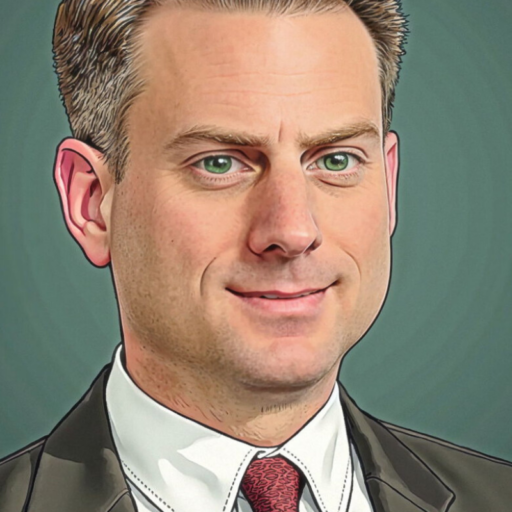
Christopher Bylone, Principal Strategist and Founder of Innovation Unbiased, a consultancy focused on building inclusive, data-driven workplace cultures, believes the current AI-driven transformation has unintentionally created a hierarchy that undervalues experience.
“The urgency to become ‘AI native’ has created an unspoken hierarchy, one that equates technological fluency with future relevance,” Bylone says. “That equation is flawed. And it is costing us the judgment, wisdom and relational depth no algorithm can provide.”
Instead of repositioning experienced professionals as outdated, Bylone advocates for reinvestment. “Experienced professionals do not need to be repositioned. They need to be reinvested in,” he says. “That starts with hiring practices that stop treating tenure as a liability and start treating it as strategic infrastructure.”
This concern is reflected more broadly across today’s workforce. A 2025 Forbes story on workplace ageism and its business impact found that age bias continues to undermine experienced professionals, affecting both engagement and retention at scale.
Bylone emphasizes that reinvestment must be reciprocal. “If we are training tenured professionals on AI, we should be equally intentional about developing early-career talent in the competencies their experienced colleagues spent decades building,” he adds.
“Belonging is knowing, not wondering. When seasoned professionals have to prove they still matter, the culture has already failed them.”
“When legacy becomes a defined contribution, experienced professionals remain engaged.”
Redefining Experience as a Strategic Asset
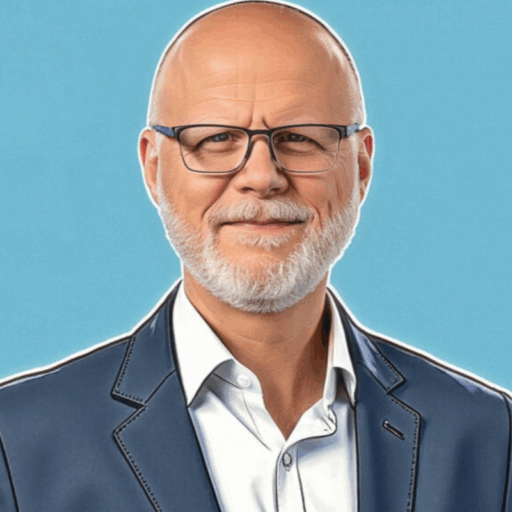
Dr. Robert Satterwhite, Partner and Head of Leadership Advisory Practice at Odgers, a global executive search and leadership advisory firm, emphasizes that the problem often begins with how organizations frame experience itself.
“Organizations should rethink workforce planning to position experienced professionals as legacy builders, not sunset talent,” Dr. Satterwhite says. “That means creating formal roles for mentoring, coaching and developing next-generation leaders such that institutional knowledge is actively transferred, not lost.”
Rather than treating tenure as a signal of decline, he argues that companies should define it as a structured contribution. “When legacy becomes a defined contribution, experienced professionals remain engaged, valued and central to long-term capability building,” he explains.
Dr. Satterwhite also recognizes the importance of evolving hiring models. “Hiring models can also evolve to value experience alongside emerging skills, pairing tenured leaders with high-potential talent in intentional ‘two-way learning’ relationships,” he says.
What Leaders Can Do Now to Retain Experience
Turn Insight Into Impact: Practical Moves for Leaders
- Make legacy a defined role.
Formalize mentoring and knowledge transfer so experienced professionals contribute as legacy builders, not placeholders. - Invest in two-way learning.
Balance AI upskilling for senior employees with leadership and relational skill development for early-career talent. - Treat tenure as infrastructure.
Shift hiring and workforce planning to recognize experience as a strategic asset, not a cost. - Use AI to stay ahead of turnover.
Leverage AI as a leadership co-pilot to identify flight risks early and act before disengagement leads to resignation.
The Future of Workforce Planning Is Inclusive of Experience
Organizations that succeed in the next decade will not be those that choose between innovation and experience—they will be the ones that integrate both. As AI reshapes how work gets done, the human elements of judgment, mentorship and leadership continuity become even more valuable.
By redefining hiring models, investing in reciprocal development and leveraging AI to strengthen—not replace—human capital, leaders can ensure that experienced professionals remain not only relevant, but essential.