Marketing has always been part science, part art. Increasingly, AI is bringing the science: It can process data at a speed and scale no human analyst can match, instantly spotting patterns across channels and audiences. AI is proving its value by helping teams process more data, identify patterns faster and move from raw information to action with far less manual effort. But effective marketing demands more—context, empathy and the kind of nuanced decision-making that comes from lived human experience.
The question CMOs are wrestling with isn’t whether to adopt AI; most already have or are planning to do so. It’s how to deploy it in ways that genuinely sharpen performance without hollowing out the human judgment that makes marketing resonate. CMOs who get the division of labor right won’t be those who automate the most. Rather, they’ll be the ones who design teams and workflows that leverage the unique strengths of both technology tools and human beings.
The members of the Senior Executive CMO Think Tank share deep expertise in brand storytelling, digital advertising, customer engagement and the rise of AI in marketing. Below, several of them share their perspectives on where AI delivers its greatest value and where human judgment remains irreplaceable—and how CMOs can architect ways of working that bring out the best in both.
“By analyzing patterns across campaigns, audiences and channels, AI exposes anomalies, blind spots and unexpected correlations that human teams might miss.”
Use AI to Surface Better Questions
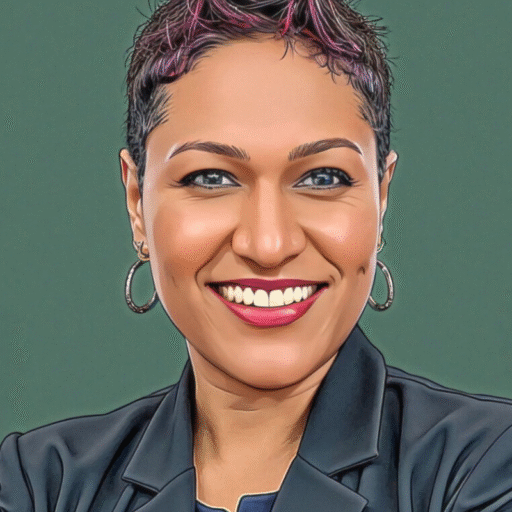
In marketing, the most valuable output of AI might not be answers, but better questions. Ramya Chandrasekaran, Chief Communications Officer of the QI Group, sees this as AI’s most underappreciated contribution.
“AI’s biggest contribution to marketing today isn’t just speed or automation; it’s the ability to surface better questions,” she says. “By analyzing patterns across campaigns, audiences and channels, AI exposes anomalies, blind spots and unexpected correlations that human teams might miss.”
That capability, Chandrasekaran notes, doesn’t diminish the human role—it sharpens it.
“Where humans still lead is in deciding which questions actually matter and what they mean in a broader context,” she says.
For CMOs, that’s a meaningful reframe: AI isn’t replacing strategic thinking; it’s expanding the surface area for it.
Free Up Time for Humans to Do Higher-Level, Impactful Work
For Jayashree Rajan, CMO of Nexla, the math is simple: AI subtracts repetitive tasks from a marketing team’s to-do list, adding time so that humans are free to focus on higher-level work.
“Our team uses AI to collapse weeks into hours—for drafting press releases, building datasets, creating AEO content and prototypes, and managing workflows,” she says.
The payoff isn’t just efficiency—it’s strategic capacity.
“AI frees time for things like customer conversations, positioning, partnerships and strategic activities to drive deals,” Rajan explains.
She sees this model becoming the standard for high-performing teams.
“In 2026, the best marketing teams will co-work with AI so humans spend 90% of their time on the 10% of activities that create value.”
“AI is an efficiency engine and pattern spotter, but it cannot replace an experienced marketer whose nuanced, lived experiences bring context to every decision.”

Build With Humans; Scale With AI
Efficiency is a compelling argument for AI adoption—but Rachel Perkins, Founder and Chief Strategist at Venturesome Strategies, cautions against letting it drive strategy. She reasserts the truth that humans do business with, and relate to, other humans.
“Building brands and relationships still relies on distinctly human capabilities—emotional intelligence, ethics, inclusivity, creativity and intuition,” she says. “AI is an efficiency engine and pattern spotter, but it cannot replace an experienced marketer whose nuanced, lived experiences bring context to every decision.”
It’s a deceptively simple principle with significant implications. Brands that invert that order—building AI-driven processes first and layering in human judgment later—risk optimizing for the wrong outcomes from the start. Perkins’ advice to CMOs is clear: Always put humans first.
“Start with a human-centered strategy, then use AI to scale it—never the other way around.”
Design Work in Layers
Heather Stickler, Chief Marketing Officer at Tidal Basin Group, explains that while AI is exceptionally good at surfacing clues, knowing how to interpret and act on those clues is a different skill entirely.
“AI is great at separating signal from noise. It shows which audiences engage, where journeys stall and what is working,” she says. “Where humans still win is in assigning meaning and direction—especially in sensitive moments—and deciding what to do next.”
Stickler’s prescription for CMOs is a structural strategy that ensures both machine and human capabilities are deployed when, where and how they’re most effective.
“CMOs can get the best of both by designing work in layers,” she advises. “Leverage AI for monitoring and predictions. Turn to humans for sense-making and choosing the path forward.”
“High-performing CMOs design teams where AI accelerates insight, but people own interpretation, timing and risk.”
Ensure Judgment Stays Human
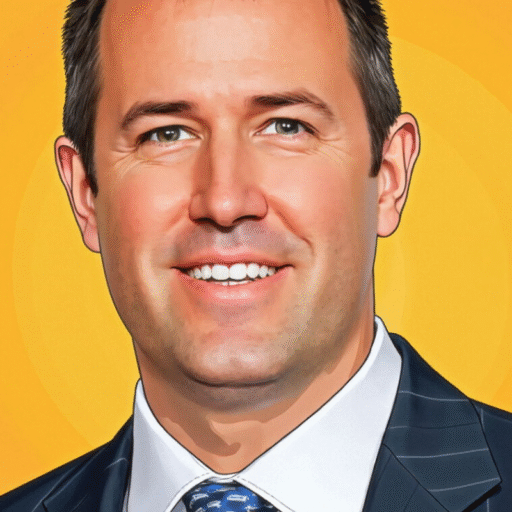
Speed and scale are AI’s obvious advantages. But while Kurt Uhlir, Chief Marketing Officer at ez Home Search, welcomes the ROI from leveraging AI, he draws a sharp line between what AI can and can’t do.
“AI drives value through speed, repetition and signal detection,” he says. “It does not understand consequence. Humans do. That line matters.”
For Uhlir, getting organizational design right is what separates marketing teams that scale effectively from those that scale recklessly.
“High-performing CMOs design teams where AI accelerates insight, but people own interpretation, timing and risk,” he says.
Uhlir explains that when CMOs achieve this balance, the result is a model that grows without becoming brittle.
“When judgment stays human and execution leverage stays machine-driven, marketing scales without losing trust or control.”
Let AI Uncover What’s Happening Now While Humans Decide What Happens Next
Human bias is an occupational hazard in marketing—and one that’s easy to overlook precisely because it’s human. Paul L. Gunn Jr., Founder of KUOG Corporation, sees AI as a valuable partner for objective analysis.
“Human bias and blind spots can sometimes result in problematic oversights of customer behaviors, channel performance, timing and/or sentiment,” he says. “It has been my experience that AI is proficient at pattern recognition, especially at scale. CMOs would be wise to embrace the strength of AI’s pattern-recognition capabilities.”
While surfacing patterns may be the first step, it’s also the only one AI can really be trusted with. Using that data to plot the path forward is best left to human judgment. In other words, Gunn says, AI can help answer “what” questions, while humans decide the “how.”
“AI can help by relaying what is happening, but humans determine what it means and what to do next.”
The Right Ways to Put AI to Work
- Use AI to generate stronger questions, not just faster answers. Let machine analysis surface anomalies, blind spots and patterns, then have human leaders decide which questions are worth pursuing and why they matter.
- Automate routine work so your team can spend more time on value-creating work. If AI can handle drafting, data prep and workflow support, marketers can focus more of their energy on customer conversations, positioning and strategic growth.
- Start with a human-centered strategy before using AI to scale it. That sequence helps ensure your brand’s messaging, decisions and experiences are grounded in empathy, ethics and real-world context from the start.
- Assign AI and humans different roles in the workflow. Use AI for monitoring, predictions and signal detection, then rely on people for interpretation, prioritization and choosing the best next move.
- Keep judgment, timing and risk assessment in human hands. AI can accelerate execution, but marketing leaders still need to own the decisions that affect trust, reputation and long-term brand health.
- Use AI to reduce bias in what you see, then apply human judgment to decide what to do. Pattern recognition at scale can reveal what’s happening now, but it still takes people to determine meaning, direction and action.
Building A Smarter AI-Human Marketing Model
The most effective AI-enabled marketing teams won’t be the ones that hand over the most work to machines. They’ll be the ones who understand AI’s strengths and make deliberate choices about what it should handle—processing data, spotting patterns and speeding execution—while recognizing that human marketers still create the most value through empathy, judgment, creativity and context.
For CMOs, that means focusing on ways AI genuinely complements human work, rather than trying to maximize its sheer usage. As AI tools grow more powerful, the CMOs who thrive will be those who resist the temptation to automate broadly and instead design workflows that allow humans to do their best work even better. In that model, AI isn’t a replacement for marketing instinct and creativity—it’s a tool that hones them.