Automation has a way of making marketing systems look busy—and therefore, healthy. Dashboards fill up, campaigns launch on schedule and follow-up happens at machine speed, creating the impression that marketing teams are becoming more efficient and effective.
But activity isn’t the same as results. For a growing number of marketing organizations, automation has become a way to run faster in the wrong direction. Automation doesn’t fix fuzzy underlying strategies, scattered data or poorly defined handoffs between marketing, sales and product teams; it just moves them out of sight. Further, tool sprawl can leave teams struggling to manage and achieve ROI from an ever-growing, unchecked tech stack.
That’s the uncomfortable reality many CMOs are grappling with right now. The proliferation of martech tools has made it easier than ever to automate nearly every touchpoint in the customer journey, yet in too many cases, revenue stalls, churn climbs and teams struggle to explain how—or if—automation is making a positive difference. The real job, then, isn’t just adopting better tools. It’s figuring out what the underlying problem is and whether technology will merely help a flawed process fail more elegantly.
Members of the Senior Executive CMO Think Tank—a curated group of marketing leaders with deep expertise in digital advertising and technology’s growing role in marketing—have been at the forefront of the AI revolution. Here, they break down the most common reasons marketing automation fails to yield better results (or even exacerbates problems) and share practical advice to help CMOs build solid data and process foundations before adding more technology.
“Automation accelerates whatever logic already exists. I’ve seen companies automate themselves into churn by pushing harder at the wrong moments.”

Automation Is Accelerating Flawed Logic
Kurt Uhlir, Chief Marketing Officer at ez Home Search, has seen firsthand how automation can make a fundamentally broken system look deceptively functional.
“Automation hides process failure by making attribution look productive,” he says. “I’ve seen marketing, sales and product each automate their slice of the funnel, hit their KPIs and still watch revenue stall. That’s the signature of an outdated playbook that optimizes attribution over contribution.”
For Uhlir, the danger isn’t automation itself—it’s applying it without interrogating the logic underneath.
“Automation accelerates whatever logic already exists,” he says. “I’ve seen companies automate themselves into churn by pushing harder at the wrong moments.”
His prescription for CMOs is focused diagnostics: Isolate where decisions actually change customer behavior versus where activity just moves faster.
“When automation increases volume but not trust, velocity or retention, the issue isn’t tooling; it’s a broken system masquerading as progress.”
Broken Processes Are Amplified, Not Fixed
Jayashree Rajan, CMO of Nexla, has a pointed way of describing what happens when organizations reach for automation before getting their data houses in order.
“Automation amplifies whatever process you have,” she says. “If it’s broken, it just magnifies the chaos.”
Rajan notes that a pattern tends to repeat itself across organizations: CMOs keep buying better tools while basic campaign attribution remains a mess. The problem, she asserts, isn’t tools; rather, it’s data spread across systems that don’t talk to each other. She offers a simple but revealing test for CMOs who want to know where they really stand: Ask your team which campaigns drove pipeline and closed wins last quarter.
“If finding the answer takes more than five minutes or requires pulling reports from three systems into a spreadsheet, you have a process problem, not an automation problem,” she says. “This is the uncomfortable truth that most CMOs don’t acknowledge.
“‘AI strategy’ conversations, under the hood, are ‘we have messy data and broken processes’ conversations,” Rajan concludes. “Fix the foundation first.”
Perceived Productivity Is Simply Automation Theater
There’s a particular kind of organizational dysfunction that Rachel Perkins, Founder and Chief Strategist at Venturesome Strategies, has seen play out repeatedly—and she’s given it a name.
“Automation done poorly leads to automation theater—a lot of workflows and dashboards that make everyone feel productive while outcomes stay flat or even suffer,” she says.
Perkins explains that ill-considered automation can break down public confidence in a brand and internal confidence in its marketing team.
“We’ve all seen a beautifully automated nurture that hits the wrong segment at the wrong time because the underlying strategy, data hygiene and handoffs were never designed with the whole journey in mind,” she says. “That erodes faith in marketing internally and trust from customers externally.”
Her advice for CMOs is straightforward, if not always easy to follow: “Get the foundations right before automating and optimizing.”
“If you turned the automation off tomorrow, would the team still understand how the system works and why decisions are made?”

Activity Has Increased, but Learning Hasn’t
Ramya Chandrasekaran, Chief Communications Officer at The QI Group, frames the automation problem in terms that resonate well beyond marketing.
“Automation is an amplifier, not a solution,” she says. “If the underlying process is flawed, automation simply scales the problem faster and hides it behind dashboards.”
Chandrasekaran identifies three specific issues that automation tends to paper over inside marketing teams: unclear decision ownership, weak signal quality in the data, and broken feedback loops between marketing, sales and product. The result? “Activity increases, but learning doesn’t.”
To help CMOs cut through the noise, she proposes a simple but revealing question.
“If you turned the automation off tomorrow, would the team still understand how the system works and why decisions are made?”
Weak Foundations Are Being Amplified
Magda Paslaru, Founder and CEO of THE RAINBOWIDEA, has worked with global brands long enough to recognize a recurring trap. “Automation is powerful, but it doesn’t fix weak foundations—it often amplifies them,” she says.
Paslaru says that, in her experience, the specific weaknesses automation tends to hide are both structural and strategic, including unclear buyer journeys, disconnected data, poor content alignment or lack of ownership between marketing and sales. And if the process is flawed, automation simply makes the flaw run faster. Her recommended starting point is auditing processes before platforms—examining how leads move, how decisions are made and where accountability sits.
“If teams can’t clearly explain the path from engagement to revenue, the issue isn’t tooling; it’s structure,” Paslaru explains. “The best results come when automation is applied to well-designed processes, not used as a shortcut to compensate for missing ones.”
Customer Insights Aren’t Informing Decisions
Ron McMurtrie, CMO of Honeywell, approaches the automation problem from the outside in—starting not with systems or workflows, but with customers.
“Automation is guided by process and is too often anchored by the marketing team’s view of how customers and prospects wish to engage,” he says. “Customer- and persona-based insight must inform process and performance.”
For McMurtrie, the stakes of getting this wrong extend well beyond marketing. Without grounding automation in genuine customer understanding, the metrics it generates can actively mislead.
“Martec metrics must align with revenue and customer outcomes,” he says. “Without this discipline, sales, marketing and finance will not align.”
“When leaders fail to understand the human psychology within a system before automation is applied, they accelerate undesirable behaviors.”
There’s No Alignment With Human Judgment or Meaning
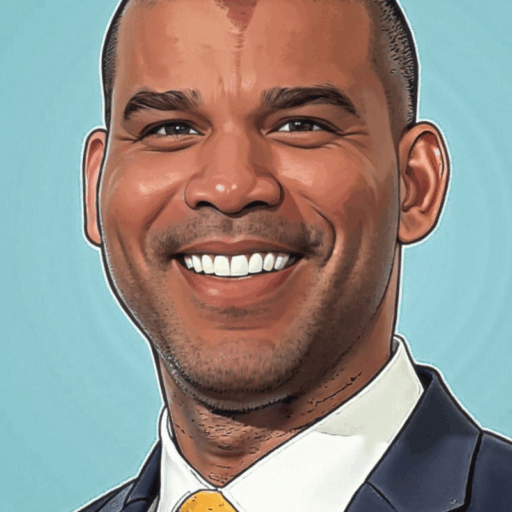
Paul L. Gunn Jr., Founder of KUOG Corporation, brings a perspective shaped by high-stakes, high-pressure environments where the cost of misalignment is immediate and visible. That experience has given him a clear-eyed view of what automation can and can’t do.
“Automation can mask misaligned cognition,” he says. “Automation of execution without alignment to judgment, institution or meaning can create barriers that may be difficult to overcome.”
The failure point, in Gunn’s view, often comes down to focusing on the technology rather than the humans who have shaped and use the processes being automated.
“When leaders fail to understand the human psychology within a system before automation is applied, they accelerate undesirable behaviors,” he explains. “CMOs would be wise to leverage metacognition as a diagnostic tool. Observe how decisions are made to improve workflows.”
Gunn concludes that it’s the amplification of human judgment that provides the best basis for, and most favorable results from, automation.
The Problem Is the Process, Not the Platform
Heather Stickler, Chief Marketing Officer at Tidal Basin Group, reminds CMOs of an important reality: Automation brings speed, but you still have to build the right strategies.
“Automation can hide weak processes,” she says. “You can have perfect workflows and still push the wrong message to the wrong segment with no clear next step.”
The test she recommends is disarmingly simple—ask whether the strategy, handoffs and measures would still make sense without the tool.
“If not,” Stickler says, “you have a process problem, not a platform gap.”
Stop, Look and Listen: A CMO’s Automation Checklist
- Audit the logic before you automate it. If the strategy underneath a workflow is flawed, automation will simply run that flaw at scale—faster and with less visibility than before.
- Use a five-minute attribution test to assess your data health. If your team can’t identify which campaigns drove pipeline and closed wins last quarter without pulling reports from multiple systems, you have a process problem that no new tool will solve.
- Watch out for automation theater. Busy dashboards and humming workflows can create a convincing illusion of productivity—make sure your team is measuring outcomes, not just outputs.
- Build in feedback loops, not just activity metrics. When automation masks broken connections between marketing, sales and product, activity increases, but organizational learning stalls.
- Audit processes before platforms. Before adding new technology, map how leads actually move through your funnel, where decisions are made and who owns each handoff.
- Ground automation in customer and persona insights, not internal assumptions. Automation anchored in the marketing team’s own view of the customer journey—rather than actual customer behavior—will generate metrics that mislead rather than inform.
- Apply metacognition before automation. Before automating any process, observe how decisions are actually being made within it; understanding the human psychology of a system is a prerequisite for improving it.
- Ask whether the strategy survives without the tool. If the underlying logic of a campaign, handoff or workflow only makes sense because software is holding it together, the problem isn’t the platform—it’s the process.
Build Firm Foundations, Then Accelerate
Automation isn’t the enemy of good marketing—but it’s no substitute for it, either. Technology amplifies whatever it touches, for better or worse. When it’s applied to well-designed processes grounded in clean data, clear ownership and genuine customer insight, it can be a powerful accelerant. When it’s layered over dysfunction, it turns small problems into expensive, harder-to-diagnose ones.
The CMOs who will get the most from automation aren’t necessarily those with all the latest and greatest tools—they’re the ones who’ve done the harder, less glamorous work of getting their foundations right first. In a landscape where AI capabilities are expanding rapidly and the pressure to adopt and scale is only intensifying, that discipline is a genuine competitive advantage.