The modern workforce is more complex than at any point in recent history. Organizations are navigating hybrid and distributed work, five or six generations working side by side and unprecedented cultural and demographic diversity. At the same time, employee expectations around well-being have fundamentally shifted. According to the American Psychological Association’s Work in America survey, work-related stress remains a significant concern, with many employees reporting burnout and emotional fatigue—underscoring the urgency for thoughtful, sustainable wellness strategies.
But designing a program that resonates across ages, cultures and life stages without fragmenting the organization is no small task.
Members of the Senior Executive HR Think Tank—a curated group of Human Resources leaders and advisors—agree that the answer is not to standardize benefits nor to customize everything. Instead, it is to anchor wellness in shared principles while flexing delivery, access and choice.
Here is how they believe leaders can avoid a one-size-fits-all approach while still maintaining coherence.
Start With Self-Awareness and Shared Principles
Neuropsychologist Aida Figuerola begins with a simple truth: Demographic reality has outpaced traditional HR design.
“Today, we work across up to six generations simultaneously, making any one-size-fits-all wellness strategy obsolete,” Figuerola says. “Leaders must first understand themselves (and their generation) before leading others.”
Her point is not merely generational labeling but generational literacy. Leaders carry assumptions shaped by their own formative work experiences. If those assumptions go unexamined, wellness programs reflect leadership bias rather than workforce diversity.
“Coherence comes from the shared principles of clarity, respect and fairness,” she says. “Inclusion comes from flexing the ‘how’ for each generation.”
That distinction is critical. Shared principles define the organization’s stance on well-being: perhaps a commitment to mental health access, equitable leave policies or workload transparency. Flexibility, however, shows up in how those principles are delivered. Younger employees may prioritize student loan assistance and flexible work hours, while pre-retirees may seek financial planning or phased retirement options.
A static wellness package cannot address that spectrum. For Figuerola, coherence is philosophical; customization is tactical.
“Leaders must live values, not just broadcast them.”
Lead With Representation and Lived Values
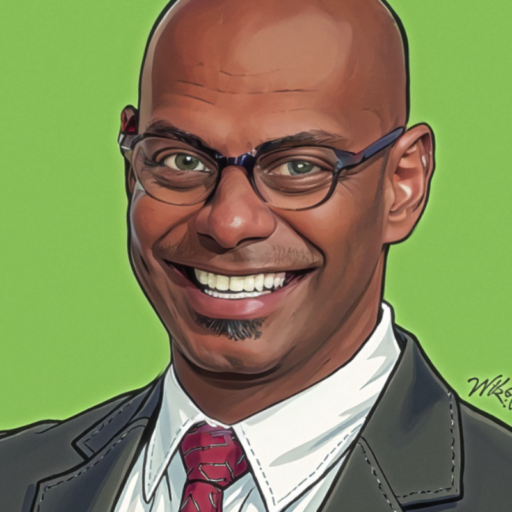
For Chandran Fernando, Founder and Managing Partner of Matrix360, a social impact advisory firm focused on talent management and workplace strategy in the commercial real estate and development industry, inclusion begins long before benefits are selected.
“A modern, inclusive wellness strategy starts with representation and the curiosity to learn and unlearn,” Fernando says. “Leaders must live values, not just broadcast them.”
Matrix360 has spent more than two decades building teams that reflect the communities they serve. In industries like commercial real estate, where legacy cultures often dominate, representation signals who belongs. Without it, even generous wellness programs can ring hollow.
“Respect and acknowledge real diversity,” he says. “Use varied tools and methods to communicate and strengthen engagement. Stay flexible and align actions with today’s mindsets and organizational goals.”
This approach aligns with research from McKinsey & Company, which continues to find links between diversity, equity and inclusion and organizational performance. But Fernando emphasizes behavior over branding.
If executives publicly promote mental health but privately reward overwork, employees notice. If leaders speak about belonging, yet decision-making circles remain homogeneous, credibility erodes.
In Fernando’s framing, coherence is behavioral alignment. Inclusion is the ongoing willingness to adapt.
“Aligning benefits to support employees at different life stages is critical.”
Align Benefits With Life Stages
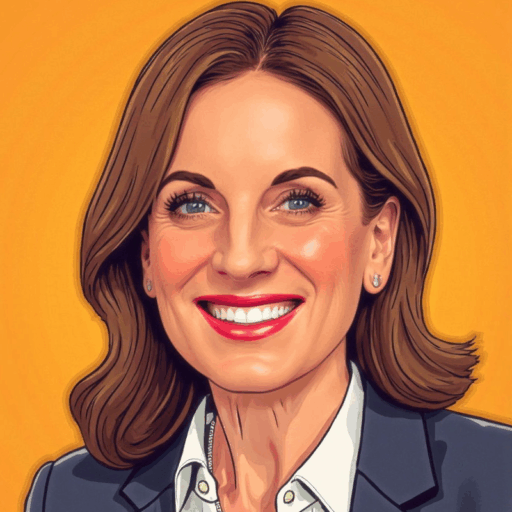
Lauren Francis, Founder and CEO of Mulberry Talent Partners, brings the lens of a Recruiting Strategist who has facilitated more than 10,000 placements over 25 years.
“A modern, inclusive wellness strategy must evolve to address the diverse needs of a multigenerational, hybrid workforce,” Francis says. “Aligning benefits to support employees at different life stages is critical.”
She points to the diversity of lived realities inside a single organization. “Needs differ for individuals who are single, coupled, married, parents, empty nesters, caregivers and pre-retirees,” she says. “A modern, cohesive wellness strategy accounts for these differences.”
As older workers and younger generations continue to work alongside each other, caregiving responsibilities—both for children and aging parents—are reshaping employee priorities.
Francis suggests that coherence does not require uniformity. A core benefits architecture—health coverage, mental health resources, flexible work options—can remain consistent. Within that structure, organizations can offer modular options such as fertility benefits, elder care support, financial coaching or phased retirement planning.
The key is recognizing that inclusion means designing for real lives, not abstract employee categories.
Embed Psychological Safety, Don’t Add It On
Kelly Murphy, Founder and Strategic HR Advisor at Lean In HR, works primarily with U.S.-based organizations with fewer than 50 employees. In smaller environments, culture gaps are visible quickly.
“Psychological safety must be woven throughout any wellness strategy,” Murphy says. “Not added on or included in—but embedded.”
She is direct about what happens when it is not. “If employees don’t feel safe to speak up, set boundaries or ask for support, no benefit will truly land,” she says. “Listen first, then offer meaningful choices and the applicable support.”
Furthermore, “Coherence comes from shared values and leadership modeling, not one-size-fits-most programs,” Murphy says.
In practice, that means leaders modeling boundary-setting, normalizing mental health conversations and responding constructively to feedback. Without those behaviors, even well-funded wellness initiatives fail to gain traction.
“Purpose paired with a people-first design is what sustains impact.”

Anchor in Whole-Person Well-Being and Local Choice
Amy Douglas, Chief, Culture and Connection at Levata Human Performance, frames inclusion around clarity of intent.
“An inclusive wellness strategy is anchored in grounded principles and clarity of intent—not ‘one-size-fits-all’ programs,” Douglas says. “When organizations align around whole-person well-being, they create coherence with meaningful choice and local adaptation for personalization.”
Her firm partners with leaders navigating organizational design and culture change, giving her visibility into how strategy translates to experience.
“Purpose paired with a people-first design is what sustains impact across a multigenerational, distributed workforce,” she says.
Whole-person well-being extends beyond physical health to emotional, financial and social dimensions. Deloitte’s research on workplace well-being similarly emphasizes integrated approaches that connect culture, leadership and benefits.
Douglas’ insight underscores a key tension: local teams may need flexibility to tailor programming, yet enterprise coherence depends on shared direction. The answer lies in guardrails—clear intent at the top, adaptation at the edges.
Use AI to Unlock True Personalization
Steve Degnan, Advisor, Board Member and Former CHRO with two decades of C-level HR leadership experience, looks ahead.
“We will know that AI is having a beneficial effect on HR policies when true personalization spans health and wellness benefits, pension, compensation, perks and so forth,” Degnan says.
Historically, he notes, “The costing and complexity have prevented it from taking place in the past.” But that may be changing. “We may be on the cusp of real personalized employment approaches across generations and backgrounds.”
AI-driven benefits platforms can analyze workforce data to suggest tailored packages while preserving privacy and fairness. For Degnan, technology is not the strategy. It is the enabler.
Personalization at scale has long been aspirational. If AI reduces administrative burden and cost barriers, organizations can move closer to delivering individualized wellness without sacrificing enterprise coherence.
Offer Flexibility Within Clear Guardrails
Nicole Cable, Chief People and Experience Officer at Blue Zones Health, integrates culture strategy with health outcomes, drawing on lessons from the world’s longest-lived populations.
“A modern wellness strategy starts with shared principles, not identical programs,” Cable says. “Inclusion means offering flexibility within clear guardrails so people can choose what supports them across life stages, cultures and ways of working.”
She is unequivocal about what creates alignment. “Coherence comes from leadership behaviors, trust and consistency—not uniform benefits,” she says. “Wellness works when people feel seen, not standardized.”
Blue Zones Health’s evidence-based approach to longevity reinforces the importance of environment and culture in shaping outcomes. That insight applies equally to corporate settings: Benefits matter, but daily experience matters more.
Cable’s framing brings the discussion full circle. Shared guardrails define the organization’s commitment to well-being. Within those guardrails, employees exercise agency.
Shifting From Principles to Practice
- Ground wellness in shared principles before designing programs.
Define clarity, respect and fairness as nonnegotiables, then flex delivery by generation and context. - Model inclusion through representation and lived values.
Align leadership behaviors with stated commitments and remain curious enough to learn and unlearn. - Design benefits around life stages, not assumptions.
Offer modular options that reflect real employee realities across caregiving, career stage and retirement planning. - Embed psychological safety into daily leadership practices.
Normalize boundaries, feedback and support-seeking so benefits can actually be used. - Anchor initiatives in whole-person well-being.
Align purpose and people-first design to create coherence while enabling local adaptation. - Leverage AI to scale personalization responsibly.
Use technology to reduce cost and complexity barriers while maintaining fairness and transparency. - Provide flexibility within guardrails.
Ensure consistent leadership behaviors and trust while empowering employees to choose what works for them.
The Future of Work Wellness Is Personal and Purpose-Driven
The era of generic wellness programming is over. In a workforce that spans generations, cultures and geographies, coherence does not come from uniform benefits. It comes from shared principles, leadership modeling and trust.
As the members of the Senior Executive HR Think Tank make clear, the future belongs to organizations that design for personalization without sacrificing clarity. When employees feel seen—not standardized—wellness becomes more than a program. It becomes part of how the organization works.
MOST POPULAR
9 Ways to Measure the Success of Your DEI Strategy

How to Offer Employee Recognition Strategies That Go Beyond Awards
Inspiring Ideas. Actionable Insights.
Senior Executive's Email Newsletters Deliver Fresh Solutions to Today's Leadership Challenges.
Subscribe Free
Sponsorship vs. Mentorship — Building the Right Program for Your Organization
What Does a Chief Diversity Officer Do?

Top 500 CTOs to Watch in America