Public trust in the U.S. healthcare system has declined steadily in recent years. Rising costs, opaque billing practices and persistent inequities in access have led many patients to question whether the system prioritizes institutional revenue over individual well-being. Furthermore, healthcare costs in the United States continue to outpace inflation while delivering uneven outcomes, a dynamic that has intensified scrutiny of how care is delivered and financed.
Members of the Senior Executive Healthcare Think Tank—a curated group of leaders specializing in patient experience, workforce strategy, policy, quality and emerging technologies such as AI and telehealth—say restoring confidence will require far more than better messaging. It demands a fundamental reconsideration of healthcare’s core assumptions.
Many of those assumptions—such as the belief that higher service volume means better care, or that consolidation naturally improves outcomes—have shaped decades of policy and organizational strategy. Yet Think Tank experts argue that rebuilding trust requires confronting those assumptions directly and redesigning systems to prioritize transparency, prevention, access and shared decision-making.
Below, their insights point to a clear conclusion: Trust is not rebuilt through public relations campaigns but through structural change.
“Trust will be rebuilt when leaders are willing to question the very architecture of the system.”

Align Incentives With Long-Term Health Outcomes
For many healthcare leaders, the first assumption that must be challenged is the belief that activity equals value.
Feri Naseh, Founder and CEO of MeTime Healing LLC, says the structure of the system itself undermines trust when reimbursement is tied primarily to procedures rather than outcomes.
“Trust in healthcare will not be restored through branding campaigns or public statements—it will be rebuilt when leaders are willing to question the very architecture of the system,” Naseh says. “We must rethink the assumption that volume equals value.”
Fee-for-service models reward clinicians and institutions for the quantity of services delivered rather than the quality of outcomes, Naseh says, arguing that this dynamic often incentivizes late-stage interventions rather than prevention.
“When reimbursement is tied to procedures instead of prevention, we unintentionally incentivize late-stage intervention over early support,” she explains.
Studies from organizations such as The Commonwealth Fund agree, showing that despite spending more per capita on healthcare than any other developed nation, the United States consistently ranks lower on key measures of health system performance and patient outcomes.
“Restoring confidence requires accelerating the shift toward value-based, preventative care models that reward long-term health rather than short-term billing cycles,” Naseh says. “Trust is rebuilt when institutions align mission with incentives and recognize that patients are not revenue streams but stakeholders.”
Ultimately, she argues that trust grows when the goals of patients, providers and institutions are aligned around the same outcome: sustained well-being.
Replace Throughput With Patient Well-Being Metrics
Dr. Sunil Kumar, Lifestyle Medicine Physician, Executive Health Coach and Founder of Dr. Sunil Kumar Consulting, believes the trust crisis stems from a system that measures success by throughput rather than health.
“Trust in healthcare is rebuilt when systems prioritize health over throughput,” Kumar says.
He argues that leaders must rethink several deeply embedded assumptions, including the belief that higher service volume equals higher quality.
“Leaders must rethink four assumptions: Volume equals value; payment rewards activity rather than outcomes; consolidation guarantees quality; governance can be distant from patients and frontline staff,” he says.
To restore trust, Kumar says leaders must embed accountability mechanisms that prioritize health outcomes and equity.
“Shift from volume-based metrics to outcome and well-being indicators,” he advises. “Publish transparent cost and quality dashboards.”
He also argues that governance must become more inclusive.
“Embed patient and clinician voices in governance,” he says. “Tie executive rewards to equity, safety and long-term health outcomes, not quarterly margins.”
Such reforms would fundamentally change what success looks like in healthcare organizations, ensuring that institutional incentives align with patient health rather than operational throughput.
“Trust follows alignment,” Kumar says.
“Transitioning from ‘doing for’ to ‘designing with’ transforms healthcare from a transactional model to a partnership with trust.”
Build Radical Transparency Into Healthcare Systems
Technology can also play a central role in restoring trust—particularly when it enables transparency and patient participation.
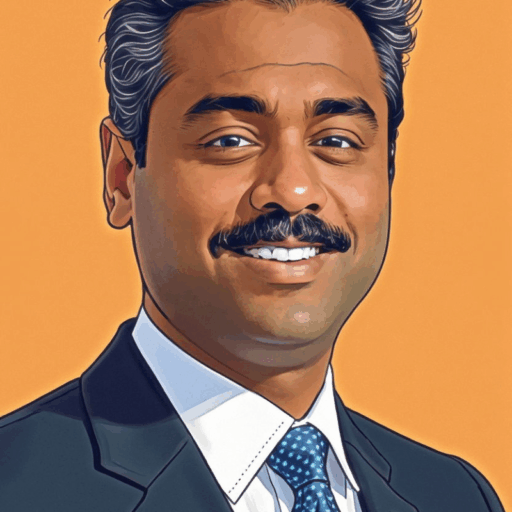
Harikrishnan Muthukrishnan, Principal IT Developer at BCBS FLORIDA, says healthcare systems must shift “from institutional protection to radical transparency.”
One step involves making costs understandable and predictable for patients.
“Replace the fear of price wars with cost concierge tools that provide transparency and guaranteed out-of-pocket maximums,” he explains.
Beyond pricing, Muthukrishnan argues that trust requires giving patients greater control over their data and care decisions.
“Move from provider-centric EHRs to patient-owned data models, granting individuals write access to their health goals,” he says.
He also advocates designing systems collaboratively with patients rather than imposing them.
“Rethink the assumption that the patient is a passive recipient,” Muthukrishnan says. “Co-design care pathways and facilities with them.”
Emerging technologies such as explainable AI could further improve trust when used responsibly.
“Compliance alone does not build trust,” he says. “Embed explainable AI in coverage decisions.”
Expanding telehealth and guaranteeing timely access to care are also essential components.
“Take ownership of access gaps through telehealth expansion, incentives for rural providers and measurable access-time guarantees,” he adds.
Ultimately, Muthukrishnan believes trust grows when healthcare shifts from a transactional service model to a collaborative partnership.
“Transitioning from ‘doing for’ to ‘designing with’ transforms healthcare from a transactional model to a partnership with trust,” he says.
Rethink Insurance and Care Delivery Models
Some experts believe restoring trust requires far more sweeping structural change.
Mark Francis, Founder and CEO of CaregiverZone, Inc., argues that current healthcare frameworks were built for an earlier era and no longer reflect modern public health challenges.
“To rebuild trust in healthcare, leaders must be willing to rethink everything,” Francis says.
He believes the prevailing model—clinically focused, pharmaceutical-driven and fee-for-service—has failed to address major societal health challenges.
“The U.S. has concurrent endemics of obesity, chronic disease and loneliness, which are destroying the physical, mental and financial health of the country,” he says.
Research from the Centers for Disease Control and Prevention confirms the scale of the challenge, noting that three in four of American adults live with at least one chronic disease.
Francis argues that major structural reforms could help rebuild trust and improve outcomes.
“Decouple health insurance from employment and eliminate annual enrollment,” he says. “Make health insurance policies holistic, including vision, dental, virtual care, nutrition and transportation support.”
He also advocates simplifying the complexity of insurance options.
“Consolidate to three to five comprehensive national Medicare plans—not the 25,000-plus that exist today,” Francis says. “Prioritize AI-driven patient-centered care,”
These changes, Francis argues, would shift the system toward prevention, simplicity and patient empowerment.
“Patients don’t distrust healthcare because of one bad experience. They distrust it because the system was designed around institutional convenience, not theirs.”
Redesign Healthcare Systems Around Patients
Finally, rebuilding trust requires rethinking how healthcare systems themselves are designed.
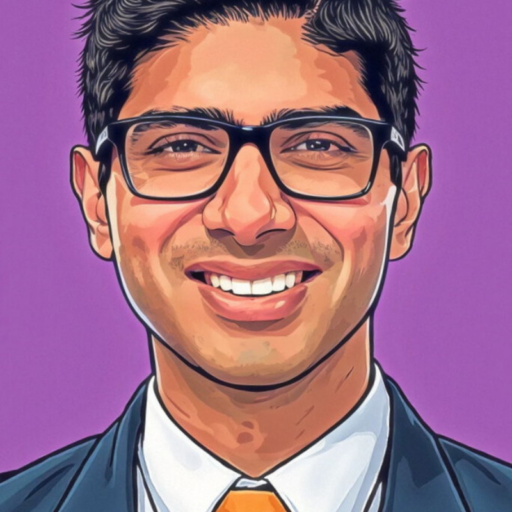
Somnath Banerjee, Engineer Lead Senior at a Fortune 50 health insurance company and an expert in AI-driven healthcare data modernization, believes distrust is the result of structural design flaws.
“Healthcare leaders must challenge three assumptions,” Banerjee says. “That consolidation improves care, that complexity in billing is unavoidable and that patients will tolerate opacity indefinitely.”
In practice, these assumptions have created a system that is difficult for patients to navigate.
“None of these are true anymore. Words without action deepen distrust,” Banerjee says.
He argues that modern technologies can dramatically improve transparency and efficiency.
“Implement AI-driven pre-authorization to cut approval times from weeks to hours,” he explains. “Deploy smart automated claim adjudication to eliminate the denials game.”
Value-based payment models are another key step.
“Adopt value-based payment models that reward outcomes, not volume,” he says.
Equally important is making pricing data meaningful to patients.
“Publish price transparency data that patients can actually use,” Banerjee says.
For Banerjee, the root cause of distrust is not isolated failures but a system designed primarily for institutional convenience.
“Patients don’t distrust healthcare because of one bad experience,” he says. “They distrust it because the system was designed around institutional convenience, not theirs. Leaders need to fix the design.”
Practical Steps to Restore Confidence in Healthcare
- Align incentives with long-term health outcomes. Transition reimbursement and performance metrics away from service volume toward prevention, patient outcomes and sustained well-being.
- Measure success by patient health, not throughput. Shift leadership accountability toward outcome-based indicators such as safety, equity and quality-of-life improvements.
- Make transparency the default. Provide clear pricing tools, accessible quality data and patient-controlled health records that empower informed decisions.
- Simplify insurance and care structures. Consider reforms that streamline insurance options, integrate holistic services and leverage AI-driven care delivery.
- Design healthcare systems around patients. Use technology and process redesign to reduce friction in approvals, claims and care navigation.
The Path Forward for Healthcare Leaders
Restoring trust in healthcare will require more than improved communication strategies or incremental policy changes. As the members of the Senior Executive Healthcare Think Tank emphasize, the challenge is structural. Payment models, governance frameworks, data systems and care delivery processes all shape how patients experience the system—and whether they believe it serves their interests.
Leaders who are willing to rethink these foundational assumptions have an opportunity to build a more transparent, preventative and patient-centered healthcare system. In doing so, they can transform healthcare from a transactional service into a trusted partnership focused on long-term health.