The traditional corporate ladder is losing its grip on today’s workforce. As employees increasingly prioritize flexibility, well-being and purpose over titles, leaders are being forced to rethink how they define growth and success. Members of the Senior Executive HR Think Tank—a curated group of senior human resources leaders—are at the forefront of this shift, offering practical insight into how organizations can adapt.
Recent data underscores the urgency. A Gallup poll finds that many U.S. workers are placing greater emphasis on work-life balance and personal well-being than on traditional advancement, reflecting a meaningful shift in career priorities. This isn’t a decline in ambition; it’s a redefinition of it as some employees continue to wait for the right opportunity to strike so they can make better career choices.
The challenge for today’s leaders is clear: How do you retain and motivate high-performing employees who don’t aspire to traditional upward mobility? According to HR Think Tank members, the answer lies in expanding the meaning of career growth, rethinking how to recognize staff members at every level and designing careers that align with how people actually want to live and work.
“Many people aren’t opting out of growth; they’re opting out of growth that requires unsustainable trade-offs or hollow status.”

Redefine Growth Beyond Titles and Promotions
Amy Douglas, Chief, Culture and Connection at Levata Human Performance, maintains that the core issue isn’t motivation—it’s how organizations define it. “The tension comes from treating motivation as something that only moves upward through titles,” Douglas says.
With more than 28 years of experience in organizational design and leadership, Douglas works with organizations to align people, work and culture for sustainable performance. She explains how it creates unnecessary tension with employees who simply want to develop in different ways. “Many people aren’t opting out of growth; they’re opting out of growth that requires unsustainable trade-offs or hollow status.”
A Forbes analysis on nonlinear careers also focuses on professionals who are increasingly pursuing flexible, skills-based growth rather than traditional upward trajectories, reinforcing the need for organizations to rethink career progression models.
Douglas emphasizes that employees still want to be challenged and to see their work make an impact. “They still want to learn, contribute, be stretched and see their work matter,” she says. “Leaders retain this talent by redefining progression beyond promotions, making growth visible through scope, influence and mastery.”
Instead of defaulting to promotions, organizations should create multiple ways for employees to grow. “Real career options matter—lateral moves, project leadership and expert paths signal that contribution counts,” she adds. “Reward outcomes, not hours. Normalize career seasons.”
“When organizations honor meaningful, sustainable careers, people stay engaged—even without chasing the next rung,” Douglas says.
“Their job is not their entire identity. They are looking to earn a livable wage so they can enjoy their hobbies, their families and their lives outside of work.”
Celebrate Contribution Without Forcing Advancement
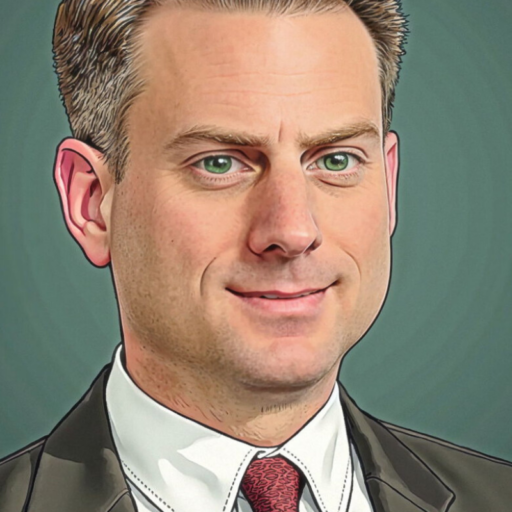
Christopher Bylone, Principal Strategist at Innovation Unbiased, believes organizations need to rethink how they fundamentally define success.
“We need to stop idolizing advancement through promotions as the only measure of success,” Bylone says. “There are people in every organization who want to be individual contributors and excel in their roles.”
This shift is consistent with broader workforce sentiment. As highlighted in the same Gallup data, many employees are reassessing what work should provide—placing greater emphasis on stability, flexibility and quality of life than on climbing organizational hierarchies.
“Their job is not their entire identity,” Bylone explains. “They are looking to earn a livable wage so they can enjoy their hobbies, their families and their lives outside of work.”
He emphasizes that leaders must accommodate diverse motivations. “As leaders, we must understand that people want a job to support their way of life,” he says. “Some need higher compensation because their lifestyle requires it. Others are content with what they have and do not need all the money in the world. We need to support both.”
Perhaps most importantly, he challenges leaders to broaden their definition of success. “Not everybody wants to be a CEO, and we should celebrate that,” Bylone says. “We should celebrate the person who wants to be a truly outstanding customer service agent.”
“We do not need a society of CEOs,” he adds. “We need a society of good humans who have enough to support their interests, their passions and their well-being so they can show up and make a positive impact on the world around them.”
Create Multiple Paths for Sustainable Career Growth
Nicole Cable, Chief People and Experience Officer at C3 Health, brings more than two decades of leadership across healthcare and customer-centric industries. Her work focuses on aligning culture, well-being and performance.
“We need to rethink what growth actually means,” Cable says. “Not everyone is motivated by title progression or climbing a traditional ladder. That does not mean they lack ambition—it means they are defining success differently.”
This redefinition is closely tied to purpose. Research from Harvard Business Impact emphasizes in its analysis of making purpose real for employees that organizations must actively connect individual roles to a broader mission in order to sustain engagement and performance.
“For many employees today, success looks like meaningful work, flexibility, well-being and the ability to sustain performance over time,” Cable explains.
To meet these expectations, leaders must expand career pathways. “The responsibility for leaders is to create multiple paths for growth—not just upward, but across and deeper,” she says. “That means valuing expertise, expanding roles, offering stretch opportunities and recognizing contribution without requiring a title change. It also requires redefining how we reward and recognize impact.”
“If the only way to grow is to move up, we will lose talented people who want to grow in place,” Cable adds. “Sustainable careers are built on purpose, development and trust—not just promotions. The organizations that understand this will retain talent that others overlook.”
Embrace the Reality of Time-Bound Employment
Steve Degnan, Advisor, Board Member and former CHRO, offers a pragmatic perspective: Careers today are increasingly fluid.
“‘While you are with us…’ is the key phrase for everyone to get comfortable with,” Degnan says. “We still have mental models of permanent employment regardless of context.”
His insight aligns with broader workforce trends showing rising mobility and restlessness among employees. As the Gallup data indicates, a significant share of workers are actively seeking or watching for new opportunities, even amid uncertainty.
“As employers, we need to get comfortable training, growing and leading people, for a time,” Degnan says. “Isn’t that the reality already?”
This mindset shifts the focus from long-term retention to meaningful engagement during an employee’s tenure—an approach that can ultimately strengthen both performance and employer brand.
“Promotion used to mean growth. Today, for most people, it means more meetings, less impact and a title that doesn’t fit their life.”

Design Careers That Reflect Generational Differences
Aida Figuerola, a Neuropsychologist at Lift, calls out the complexity of today’s multigenerational workforce. “The ‘corporate ladder’ was built for one generation,” Figuerola says. “We now have six working side by side. Silents, Boomers, Gen X, Millennials, Gen Z, and soon Alpha are each shaped by different realities, each defining success differently.”
She believes that the traditional model no longer fits, but “the problem isn’t ambition—it’s the model,” Figuerola explains. “Promotion used to mean growth. Today, for most people, it means more meetings, less impact and a title that doesn’t fit their life.”
Instead, leaders should focus on designing meaningful, flexible careers. “Leaders who retain talent stop selling ladders,” Figuerola says. “They design meaningful careers, not vertical ones. That looks like autonomy over hierarchy, skill growth over job titles, purpose over prestige, lateral moves and visible impact,” she adds.
Figuerola also stresses the importance of understanding generational drivers. “Millennials want mission. Gen X wants balance. Gen Z wants clarity and mental health. Boomers want to be respected as mentors, not pushed aside,” she explains. “Different drivers. Same need: respect, clarity, fairness.”
She encourages company executives to lead each generation with understanding by aligning them around a shared purpose. “That’s not soft—that’s strategy.”
What Leaders Must Do Now to Keep Talent Engaged
- Redefine growth beyond promotions. Make development visible through skills, impact and influence—not just titles.
- Celebrate excellence at every level. Recognize individuals who choose mastery over management.
- Build flexible career pathways. Offer lateral moves, project leadership and growth in place.
- Adopt a “for now” mindset. Focus on meaningful experiences rather than permanent tenure.
- Design for diverse expectations. Align different generational needs around shared purpose.
The Future of Work Is Not a Ladder
The shift away from traditional promotions reflects a deeper transformation in how people define success. Employees are no longer willing to trade well-being and purpose for titles that don’t align with their lives.
For leaders, this is a strategic inflection point. Organizations that expand their definition of growth, embrace nonlinear careers and embed purpose into everyday work will not only retain talent—they will unlock higher engagement, stronger performance and more resilient cultures.
MOST POPULAR

AI Is Commoditized—Here's What Sets Great Brands Apart

From Eyeballs to AI Agents: The New Economics of Marketing
Inspiring Ideas. Actionable Insights.
Senior Executive's Email Newsletters Deliver Fresh Solutions to Today's Leadership Challenges.
Subscribe Free
Know Your Acronyms: General Business Terms and Titles

9 Ways to Measure the Success of Your DEI Strategy

Former Nintendo of America Exec Shares the Failures that Ultimately Led to the Switch's Success