In today’s workplace, burnout and disengagement have quietly become strategic business risks rather than isolated wellness concerns. The term “quiet cracking“—a state of gradual disengagement, mounting pressure and declining performance—has gained traction among HR and organizational leaders as a metric that precedes burnout and attrition. According to recent research, nearly half of employees globally report feeling burned out at work, highlighting the urgency of proactive measures for leaders and HR teams alike.
The Senior Executive HR Think Tank—a curated group of experts in employee experience, talent acquisition, DEI, performance management and the evolving role of data and analytics in HR—note that tracking quiet cracking requires metrics and feedback loops that bridge sentiment, behavior and organizational performance.
Below, they share how they are operationalizing well-being indicators, turning early signals into strategic interventions and equipping leaders to act before cracks widen into burnout or loss of talent.
“Quiet cracking isn’t about resilience—it’s about capability.”

Rework, Delivery Metrics and Early Risk Monitoring
Michelle Arieta, Consultant and Chief People Officer for Polaris Pathways, focuses on integrating capacity and sentiment metrics into operational performance reviews. She says HR should treat early indicators—such as workload spikes and after-hours activity—as leading signals.
“Quiet cracking isn’t about resilience—it’s about capability,” Arieta says. “The business impact appears early through rework, slower execution and missed targets, eroding margins before turnover.”
She recommends that organizations track workload patterns alongside sentiment surveys to spot discrepancies between capacity and demand. Arieta adds that equipping managers with playbooks for how to spot early signals, reset priorities and intervene helps leaders act ahead of attrition.
Frequent Contact, Recognition and Well-Being Outcomes
David Bator, Managing Director of AWI at Achievers, emphasizes the power of consistent manager-to-employee contact combined with recognition to build trust and monitor well-being.
“The one-on-one is the place to not only inspect but support someone’s work,” he says. “It’s where you build trust and understand what work needs to look like so that it works for your people.”
Bator highlights that employees recognized at least monthly are significantly more likely to report feeling physically and mentally well. He advises embedding structured recognition into leadership expectations to sustain engagement and provide routine touchpoints that reveal trends before they become crises.
Individual Engagement Conversations and Virtual Connection Metrics
Amy Douglas, Chief of Culture and Connection at Levata Human Performance, says leadership teams must go beyond aggregate engagement scores to capture individual experiences that signal quiet cracking.
“We have intentional engagement and development conversations with every employee,” Douglas says. “We track engagement levels and make those insights visible at the senior leadership level, allowing us to address individual needs with targeted solutions.”
She also highlights measurement before and after company retreats to assess the impact of connection and creative collaboration on well-being. These in-person meetups allow her virtual organization to deepen personal connection and share experiences that ultimately define how they work.
Psychological Safety and Micro-Level Metrics
Robert Satterwhite of Odgers centers psychological safety as a key mechanism to make quiet cracking visible.
“I recommend that leaders prioritize frequent check-ins, ongoing development goals and plans and structured career conversations,” Satterwhite says. “Most critical is establishing psychological safety so people trust they can raise personal or professional challenges without penalty.”
Doing so, he says, ensures cracks become visible while they’re still able to be fixed. By measuring often, listening deeply and acting visibly and with intention, leaders can detect the key early signs of burnout.
Skip-Levels, Pulse Champions and Workload Friction
Britton Bloch, VP of Talent Acquisition Strategy and Head of Recruiting at Navy Federal Credit Union, notes that quiet cracking often occurs when employees feel trapped by a tough job market, leading to job-hugging and, eventually, burnout.
“We track early warning signs through skip-levels, roundtables and pulse champions who surface recurring friction, emotional fatigue and workload strain,” Bloch says.
Her intent is not to collect data but to ensure the organization acts on patterns, closes the loop and resets priorities before cracks escalate into burnout or attrition.
“It isn’t just a wellness issue; it’s a failure of leadership branding.”
Relationship ROI and Alignment Checks
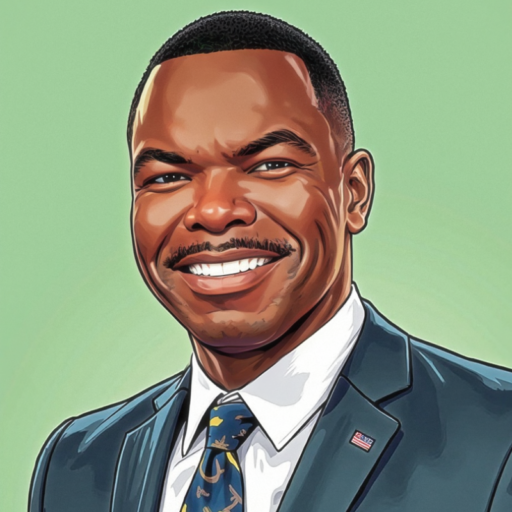
Michael D. Brown, Senior Managing Partner at Global Recruiters of Buckhead, reframes disengagement as a breakdown in employer-employee relationship expectations.
“It isn’t just a wellness issue,” he says. “It’s a failure of leadership branding.”
Brown advocates for tracking “Relationship ROI” by conducting specific alignment checks that ask if the reality of the role matches the brand promise the employee was sold.
“When that gap widens, the cracks form,” he says.
The solution, Brown says, is to treat employment as a partnership rather than a contract. Conducting “stay interviews” can help leaders learn why employees are struggling before they decide to leave. But the most important step is to focus on leading people rather than managing processes.
Humanized Policies and Behavioral Cues
Kelly Murphy, Founder and Strategic HR Advisor for Lean in HR, focuses on humanized performance expectations and behavioral cues.
“Burnout and disengagement often show signs long before someone reaches their breaking point,” Murphy says. “Comments like ‘I’m overwhelmed,’ or constant visible stress are early flags.”
She emphasizes the importance of capacity check-ins, training managers on reading behavior cues and ensuring employees feel safe to express their concerns without penalty—and that support should extend to managers too.
“Are managers displaying signs of burnout as well, and their team is modeling it? The idea is to implement a comprehensive approach to support all staff—including those of us in HR,” she says.
Leadership Habits and Quality of Dialogue
For Nicole Cable, Chief People and Experience Officer at Blue Zones Health, well-being metrics must focus on the quality of conversations and consistency of follow-through.
“Quiet cracking shows up long before burnout or attrition,” Cable says. “The most meaningful metrics come from the quality of dialogue, the safety people feel to name their limits, and the consistency of follow-through from leaders.”
She recommends leaders avoid treating well-being like a wellness initiative and instead treat it as a leadership habit that reinforces trust and consistent support.
“When leaders listen early, act with intention and make honesty safe, the cracks do not grow,” Cable says.
“Treating quiet cracking as a KPI allows HR to shift from reactive burnout remediation to predictive performance protection.”

Predictive Metrics and Executive Accountability
Laci Loew, Fellow, HR Analyst and People Scientist at Global Curiosity Institute, treats quiet cracking as a system issue. She ties early signals to organization performance.
“Treating quiet cracking as a KPI allows HR to shift from reactive burnout remediation to predictive performance protection,” Loew says.
She recommends combining digital workload metrics with frequent well-being pulses and linking trends to turnover, productivity and financial results reviewed at the executive level.
Leadership Stewardship and Holistic Well-Being
Steve Degnan, Advisor, Board Member and former CHRO, sees quiet cracking as a familiar challenge under a new name—one that leaders have a responsibility to address through active stewardship of employee well-being.
“‘Quiet cracking’ is a new term, but it also has older names like ‘burnout’ or ‘exhaustion,’” Degnan says. “There are more mental health options available now, so leaders need to know what they are and encourage their people to seek help or talk to someone when they feel down.”
Degnan advises leaders to normalize the use of paid time off, actively encourage balance beyond work and recognize that well-being includes time with family and friends, physical health and personal spirituality as defined by the individual.
“Overall, leaders must listen, watch, monitor and inquire with empathy as to the overall wellness of their people,” he says.
How to Prevent Employee Burnout
- Treat capacity strain as a leading performance indicator. Review workload spikes, after-hours activity and rework alongside delivery metrics to catch leadership and capability gaps before performance or margins erode.
- Make manager check-ins and recognition nonnegotiable. Normalize consistent one-on-ones and frequent, specific recognition as core leadership expectations, not optional soft skills.
- Replace aggregate engagement scores with individual conversations. Ensure every employee has intentional, recurring engagement and development discussions that surface nuanced signals senior leaders can act on.
- Design for psychological safety, not just measurement. Pair surveys with frequent career and development conversations so employees feel safe raising challenges while they’re still solvable.
- Use skip-levels and pulse champions to surface hidden friction. Create structured channels that reveal recurring emotional fatigue and workload strain, then close the loop visibly to maintain trust.
- Measure the gap between role reality and employer brand. Conduct alignment checks and stay interviews to identify where expectations and experience diverge before disengagement becomes attrition.
- Humanize performance expectations without lowering standards. Train managers to read behavioral cues, normalize capacity check-ins and make it safe for employees to say when they’re at their limit.
- Treat well-being as a leadership habit, not a wellness program. Focus on the quality of dialogue, follow-through and consistency from leaders as primary indicators of organizational health.
- Instrument early signals and elevate them to executives. Combine workload data with frequent well-being pulses and review quiet-cracking trends alongside productivity and financial metrics.
- Encourage time off and normalize whole-person balance. Ensure PTO is taken, promote mental health resources and coach leaders to actively monitor and support the full well-being of their teams.
Turning Quiet Cracks Into Leadership Insight
Quiet cracking is not a soft signal or an HR-only concern—it is an early warning system for leadership effectiveness, organizational capacity and future performance risk. What the members of the Senior Executive HR Think Tank make clear is that the earliest indicators of burnout and attrition rarely appear in exit interviews or annual engagement scores. They show up first in workload strain, slowed execution, muted dialogue and the subtle erosion of trust between leaders and their teams.
For senior leaders, the takeaway is simple but consequential: Well-being must be operationalized. That means treating human signals with the same rigor as financial or delivery metrics, equipping managers to act on early signs and holding leaders accountable for the quality of connection, clarity and follow-through they create. Organizations that do this will not only reduce burnout and turnover—they will protect performance, sustain momentum and build the kind of leadership credibility that endures under pressure.